

Planning an outdoor event means wrestling with two constant challenges: unpredictable weather and creating a space that actually looks good. A sudden downpour can scatter guests, harsh sunlight can make everyone uncomfortable, and a mismatched shelter can undermine hours of careful decorating. This is where a light grey gazebo proves its worth as both a practical shield and a design asset. Its neutral tone complements virtually any color scheme or theme, while its structure provides dependable cover from sun and light rain. Whether you’re organizing an intimate garden party, a corporate networking event, or a wedding reception, the right gazebo transforms an open yard into a defined, inviting venue. This guide walks event planners through the key decisions involved in selecting the perfect light grey gazebo—from sizing and materials to style and setup—so your next gathering offers guests both comfort and visual appeal in a versatile outdoor space.
Why a Light Grey Gazebo is Ideal for Outdoor Events
Light grey occupies a unique position in the color spectrum that makes it exceptionally event-friendly. Unlike stark white, which shows every stain and scuff, or darker shades that absorb heat and feel visually heavy, light grey offers a sophisticated middle ground. It pairs effortlessly with bold florals at a summer wedding, sleek corporate branding at a product launch, or rustic wooden accents at a farmhouse-themed celebration. This adaptability means event planners can reuse the same structure across vastly different occasions without it clashing with the chosen palette.
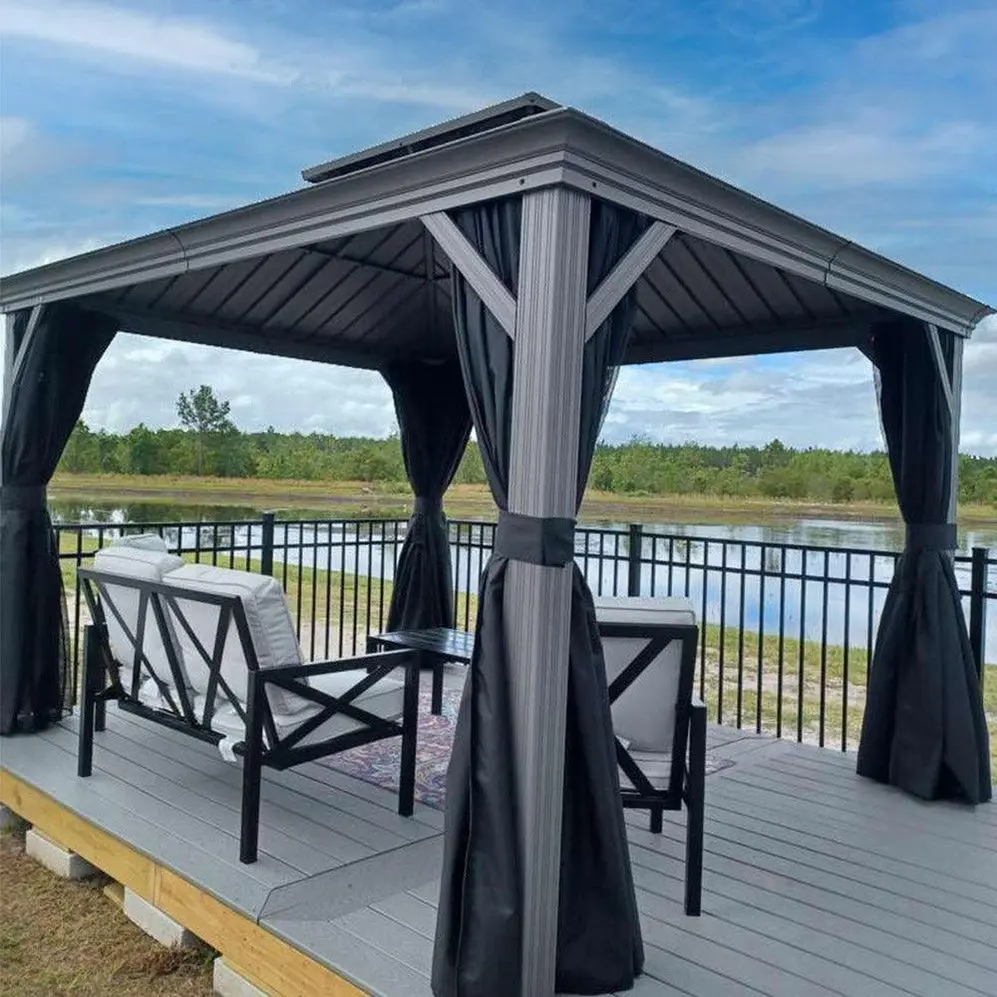
From a functional standpoint, a light grey gazebo delivers reliable overhead shelter that keeps guests comfortable during temperature shifts or unexpected drizzle. Its defined structure naturally creates a focal point in any outdoor setting, drawing people together and anchoring the event layout. Guests instinctively gravitate toward a covered space, which helps planners control foot traffic and create intentional gathering zones. Whether positioned on a manicured lawn for a garden party or centered on a stone patio for a formal dinner, the light grey finish maintains visual cohesion with both natural greenery and architectural elements, making it one of the most versatile choices available for recurring event use.
Essential Factors to Evaluate When Choosing Your Gazebo
Selecting a gazebo that performs well across multiple events requires balancing three core considerations: how many people it needs to shelter, what it’s made of, and how its roof handles the elements. Getting these fundamentals right ensures your investment serves you reliably whether you’re hosting thirty guests at a birthday celebration or setting up a branded activation for two hundred attendees. A patio hardtop option works beautifully for permanent installations where you want year-round readiness, while a garden gazebo style integrates more naturally into landscaped settings where aesthetics take priority alongside function.
Size and Layout Considerations
Start by measuring your available footprint, then subtract space for walkways, buffet tables, and any entertainment areas. A common mistake is choosing a gazebo that technically fits the guest count but leaves no room for furniture arrangement or comfortable movement. For seated dining, plan roughly fifteen square feet per guest to accommodate chairs and table spacing. For standing receptions, you can reduce that to about ten square feet per person. Always account for at least two clear entry and exit points to prevent bottlenecks during peak moments.
Material and Durability for Long-Term Use
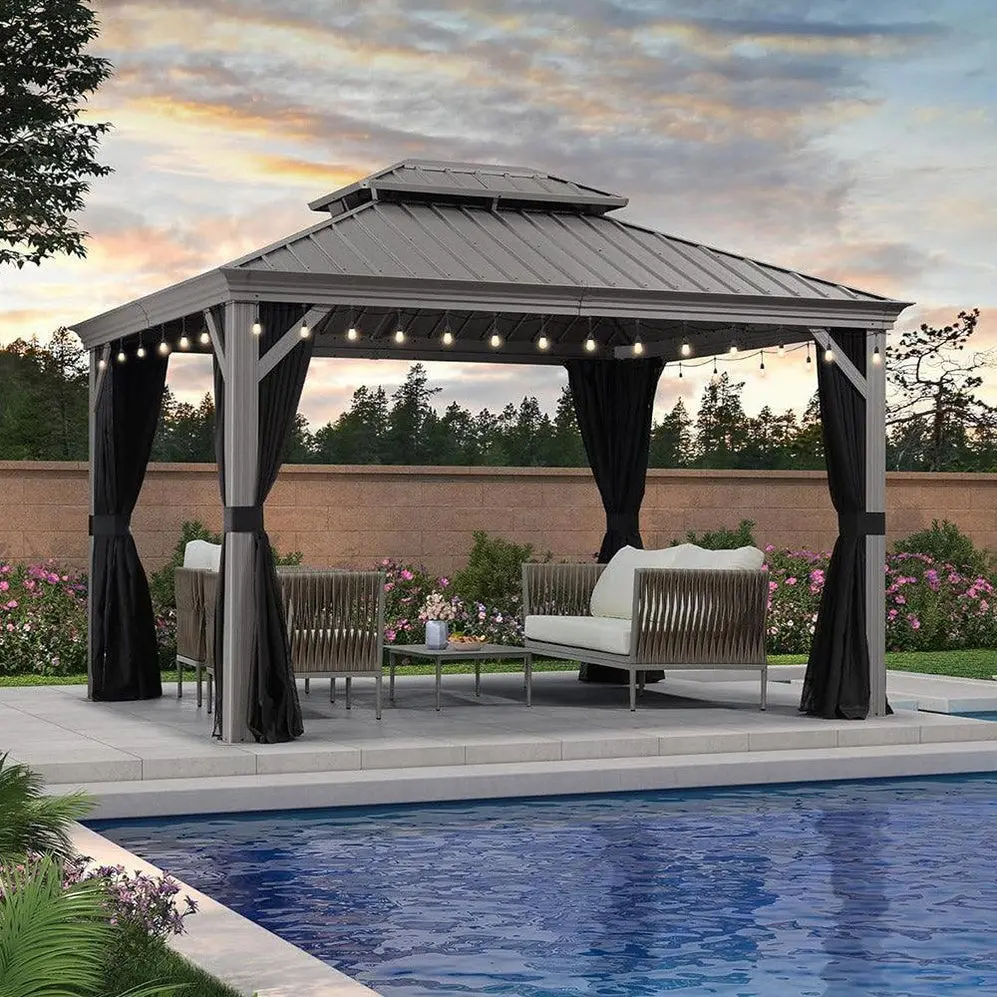
Powder-coated steel frames offer excellent weather resistance and structural rigidity, making them ideal for regions with variable conditions. Aluminum provides a lighter alternative that resists corrosion but may flex in strong winds without proper anchoring. For the canopy itself, a polycarbonate hardtop outlasts fabric in longevity and requires minimal maintenance, while retaining that clean light grey finish without fading. Whichever material you choose, verify that joints and connectors are reinforced—these stress points determine whether your gazebo remains sturdy through seasons of repeated assembly and exposure.
Patio Hardtop vs. Garden Gazebo: Which Suits Your Event?
The choice between a patio hardtop gazebo and a garden gazebo fundamentally depends on where you’re hosting and how permanent you need the structure to be. A patio hardtop gazebo excels on solid surfaces like concrete, pavers, or composite decking. Its rigid polycarbonate or metal roof panels handle heavy rain, accumulated snow, and intense UV exposure without sagging or deteriorating. For event planners who manage a dedicated venue space—a restaurant terrace, a hotel courtyard, or a private estate patio—this style provides year-round readiness with virtually no pre-event setup beyond arranging furniture and décor. Brands like PURPLE LEAF offer hardtop gazebo options with powder-coated aluminum frames and galvanized steel roofs that hold up well under these demanding conditions. The sturdy construction also supports hanging elements like chandeliers, draping, or suspended floral arrangements that elevate formal occasions.
A garden gazebo, by contrast, is designed to sit gracefully within landscaped environments where soft ground, flower beds, and natural surroundings define the atmosphere. These structures typically feature lighter frames and fabric or semi-rigid canopies that blend with organic textures rather than dominating them. They work beautifully for weddings in meadow settings, anniversary celebrations in botanical gardens, or casual corporate retreats on estate lawns. The trade-off is reduced weather resistance compared to hardtop models—fabric canopies may require replacement after extended sun exposure, and lighter frames need secure staking in windy conditions. For planners who rotate between multiple outdoor locations, a garden gazebo offers portability that a fixed patio hardtop cannot match. Ultimately, if your events consistently occur in one hardscaped location, the patio hardtop delivers unmatched durability and shelter stability. If you need flexibility across varied natural settings where aesthetic integration matters most, the garden gazebo adapts more gracefully to each unique environment.
Designing a Versatile Outdoor Space with Your Gazebo
A light grey gazebo becomes truly valuable when it can shift seamlessly between event types without requiring a complete overhaul. The key lies in treating the structure as a blank canvas and building versatility through strategic accessories and layout decisions. Removable side panels transform an open-air cocktail space into an enclosed dining room when evening temperatures drop or wind picks up. Sheer curtains in white or champagne tones add romantic softness for weddings while maintaining airflow, and they pull back instantly when you want an open, airy feel for a daytime corporate mixer.
Lighting dramatically alters the mood beneath any gazebo. String lights woven along the frame create warmth for casual celebrations, while uplighting the interior posts in cool white produces a sleek, modern atmosphere suited to product launches or gallery-style events. For furniture arrangement, resist the urge to fill every square foot—leave breathing room near entrances and create distinct zones within the covered area. Position a bar or welcome station near one opening and cluster seating toward the center, giving guests a natural flow path that prevents congestion. Planters with trailing greenery placed at the gazebo’s base soften the transition between structure and surrounding landscape, reinforcing that sense of an integrated versatile outdoor space rather than an imposed temporary shelter. When you invest in a few interchangeable elements—swappable table linens, modular seating, adjustable lighting—one light grey gazebo serves dozens of distinct event visions throughout the year without ever feeling repetitive.
Practical Steps for Event Planners to Select and Set Up
Moving from research to action requires a clear process that accounts for both immediate event needs and long-term value. Rather than impulse-purchasing based on appearance alone, successful event planners approach gazebo selection methodically—matching specifications to real-world demands before committing resources.
Step 1: Define Your Event Needs and Budget
Begin by listing your three most common event scenarios and the maximum guest count for each. Cross-reference these with your typical venue surfaces—grass, concrete, or mixed terrain—to determine whether a patio hardtop or garden gazebo better serves your recurring needs. Set a budget that includes anchoring hardware, any accessories like curtains or lighting mounts, and potential delivery fees. Prioritize weather resistance if your region experiences frequent rain, or emphasize portability if you operate across multiple locations.
Step 2: Installation and Maintenance Tips
For repeated event use, practice assembly before the actual day—most light grey gazebos can be erected by two people in under an hour once familiar with the process. Secure all frames with appropriate anchors: weighted bases on hard surfaces, spiral stakes on soft ground. After each event, wipe down the frame with a damp cloth to prevent dirt buildup, inspect joints for looseness, and store fabric components in dry conditions. This routine keeps your gazebo looking fresh and structurally sound across dozens of uses without costly repairs or premature replacement.
Making Your Light Grey Gazebo Work for Every Event
Choosing the right light grey gazebo comes down to understanding your specific event demands and matching them with a structure that delivers both reliable shelter and visual sophistication. The neutral elegance of light grey works across seasons and themes, giving event planners a single investment that adapts to weddings, corporate functions, and casual celebrations alike. By carefully evaluating size requirements, material durability, and the distinction between patio hardtop and garden gazebo styles, you position yourself to make a decision that pays dividends across dozens of future events. Remember that the gazebo itself is just the foundation—thoughtful accessories, smart layout planning, and consistent maintenance transform it into a truly versatile outdoor space that impresses guests every time. Take the specifications and strategies outlined here, apply them to your next event brief, and experience the difference that a well-chosen light grey gazebo makes when weather concerns disappear and your venue looks exactly as you envisioned it.