
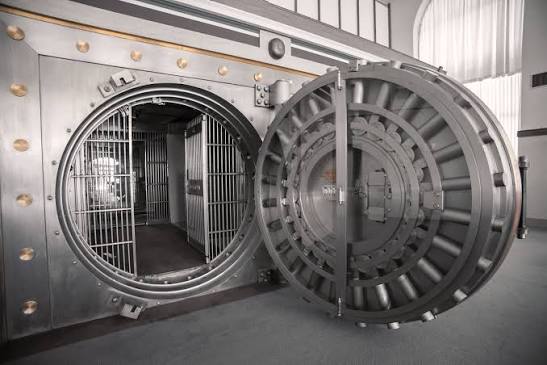
Choosing the wrong bank vault door can cost you far more than money-loss of assets, regulatory headaches, and reputation damage. Banks and branch managers need a secure, code-compliant, and serviceable solution that balances protection with daily operations.
This buyer’s guide cuts through technical jargon to help you evaluate a bank vault door for sale: ratings to insist on, features that matter (boltwork, relockers, locks), installation pitfalls, and total cost of ownership. Read on for a clear, actionable checklist and vendor questions you can use during procurement.
Ready to choose with confidence? Keep this guide open as you compare specs and request quotes from LastingSafe.com.
Vault Door vs. Safe Door: What’s the Difference?
A bank vault door is built for securing a room-sized vault and its surrounding structure; a safe door typically protects a smaller, standalone container. Vault doors integrate with reinforced walls and floors, offer larger clear openings, and support heavier boltwork and relocking systems. Use a vault door when securing teller vaults, cash-processing rooms, or entire branch vaults. Choose a safe door or safe deposit vault door for lockers and small secure storerooms where space and cost are limited.
Common Configurations and Use Cases
Bank vault door types: single-door vaults (standard for most branch vaults), double-door/mantrap configurations (for controlled entry and staff verification), and modular vault systems (prefab panels and doors for quick installs or retrofits).
High-security vault door: Specify when protecting high-value cash centers, regional cash-processing facilities, or locations with elevated threat profiles. These doors include higher TL ratings, thicker plates, and advanced relocking mechanisms.
Fire-rated vs. burglary-rated door: Fire-rated vault doors prioritize heat and smoke resistance to protect documents and media; burglary-rated doors (UL/TL-rated) resist forced entry and attacks. Many buyers need bot-select doors with combined fire and burglary certifications where required.
Swing vs. sliding doors: Swing doors are common in traditional vaults; sliding doors suit tighter spaces and heavier doors where swing clearance is limited.
Understanding UL and TL Ratings
When evaluating a bank vault door for sale, start with industry test labels. UL and TL ratings measure forced-entry resistance: common standards include UL 687 and the TL classifications (TL-15, TL-30). A TL-15 rating means the door resisted a timed attack by specified tools for 15 minutes under test conditions; TL-30 extends that to 30 minutes. Specify the rating that matches your threat model—retail branches often require RSC or lower UL ratings, while cash centers typically demand TL-30 or higher. Look for “UL-rated vault door” wording on spec sheets and verify listings on UL’s directory.
What Fire Ratings Mean
Fire ratings show how long the door protects contents from heat and smoke. Ratings are expressed in minutes or hours (e.g., 60, 120 minutes) and are tested to standards like ASTM E119. A vault door with a vault door fire rating of 60 minutes may be sufficient for document protection, but media or sensitive electronics could require longer protection. Some doors combine burglary and fire ratings; others require additional insulated panels or secondary seals.
Insurance & Regulatory Requirements
Insurance carriers and auditors often mandate specific certifications or minimum resistance grades (B, C, RSC). Confirm with your insurer which ratings affect premiums and claim eligibility. For high-risk sites, regulators and law enforcement guidance may recommend or require TL-rated doors, relocking devices, and proof of UL listing.
Other Standards and Features
Relocker standards: Independent mechanical relockers should be certified and tested to resist manipulation.
Pry and drill resistance: Look for anti-drill plates, hardened steel faces, and concealed hinge protection.
Seismic and blast considerations: For specialized facilities (federal, vaults near critical infrastructure), review blast and seismic ratings.
Boltwork and Relockers
Vault door boltwork is the backbone of physical resistance compare number of bolts, bolt diameter, and throw (how far bolts extend into the frame). More and larger bolts increase resistance to prying and leverage attacks. Independent mechanical relocking devices (relockers) activate if lock components are tampered with; verify their certified performance and placement so an attacker can’t simply defeat the primary lock and then pry the door open.
Locks: Mechanical vs. Electronic
Mechanical combination locks remain highly reliable and are often required by insurance; electronic locks add audit trails, timed access, and remote management. For sensitive sites, consider dual custody (two-person control) or dual-lock setups combining mechanical and electronic locks. Check key-change procedures, tamper detection, battery fail-safes, and certified lock grades when comparing bank vault locks.
Anti-Drill, Hinge, and Frame Protection
Look for anti-drill plates (hardened steel or composite), concealed or reinforced hinges, and robust frame construction tied into the surrounding wall. Frames should resist bolt pull-through and allow for full engagement of the boltwork. Inspection ports and test panels help technicians verify internal components without full disassembly.
Integration with Alarms and Access Control
Vault doors must integrate with intrusion alarms, motion sensors, CCTV, and the building’s access-control system. Confirm wiring paths, sensor types (magnetic contacts, vibration/tamper sensors), and event logging. Tamper detection and automatic lockdown procedures linked to central monitoring reduce response times and limit loss.
Measuring for a Vault Door
Start by measuring the clear opening (width, height, and depth) and the thickness of the surrounding wall. Record finished floor elevation and any sills or pits; some heavy vault doors require a recessed sill or pit for the door to close flush. Note approach clearance (swing path for swing doors, lateral space for sliding doors) and overhead obstructions. Capture structural details: wall composition (concrete, CMU, steel), floor slab thickness, and nearby utilities or conduits that could interfere with anchors or frame installation.
Installation Challenges and Solutions
Wall and floor reinforcement: Many retrofit projects require concrete coring, poured-in-place frames, or steel reinforcement. Budget for structural engineering and permits when walls aren’t originally designed for a vault door.
Existing frame compatibility: Reusing an old frame can save cost but may hide corrosion, misalignment, or insufficient bolt engagement—inspect thoroughly and prefer full frame replacement when in doubt.
Delivery and crane needs: Heavy doors often need forklifts or cranes and clear exterior access. Confirm door weight and coordinate delivery windows to avoid branch disruption.
Lead times and scheduling: Custom, UL-rated doors can have 8–16 week lead times; plan procurement and installation to align with branch operations and audits.
Phased installation to minimize downtime: Use temporary safes or night-drop controls, schedule work after hours or over weekends, and require a detailed installation plan in the contract.
Permits and inspections: Check local building codes, fire department requirements, and insurer notification rules; include acceptance testing and inspection checkpoints in the scope.
Branch Upgrade: Cost-Conscious Choice
A small community bank needed to replace an aging vault door without major structural work. Rationale: meet insurer minimums and minimize downtime. Chosen specs: UL-rated RSC door with 60-minute fire rating, mechanical combination lock, mid‑size boltwork, and a refurbished frame to save cost. Outcome: Installation completed over a weekend, insurance accepted the upgrade, and the bank increased branch uptime while staying within budget. This vault door for branch bank balanced cost and compliance.
High-Risk Facility: Maximum Protection
A regional cash‑processing center required maximum delay against forced entry. Rationale: high cash throughput and elevated threat profile. Chosen specs: TL‑30 vault door, multiple large-diameter bolts, independent mechanical relockers, electronic dual‑custody access, anti‑drill plates, and integration with building alarm and CCTV. Outcome: Facility met insurer and audit demands, lowered risk exposure, and gained faster incident response through integrated monitoring.
Historic Building Retrofit: Preservation-Friendly Solution
A downtown branch in a protected historic building needed modern protection with minimal alteration. Rationale: preserve masonry and facade. Chosen specs: modular vault panels with a sliding vault door, custom sill to avoid cutting original floors, and concealed frame anchoring. Outcome: Compliance and protection achieved with approved preservation documentation; the retrofit avoided costly demolition.
Conclusion
A correctly specified bank vault door balances security, compliance, and operational needs choose by matching threat level, site constraints, and lifecycle cost rather than price alone. Start with required ratings (UL/TL and fire), confirm core features (boltwork, relockers, locks), and validate vendor credentials, installation plans, and warranties before signing a contract.
Use the buyer’s checklist and RFP items from this guide to standardize comparisons, minimize surprises during installation, and build a defensible procurement case for your board or insurer. If you’re retrofitting a historic site or managing a high-risk cash center, prioritize certified TL ratings and integrated alarm controls; for branch upgrades, focus on meeting insurer minimums and minimizing downtime.