
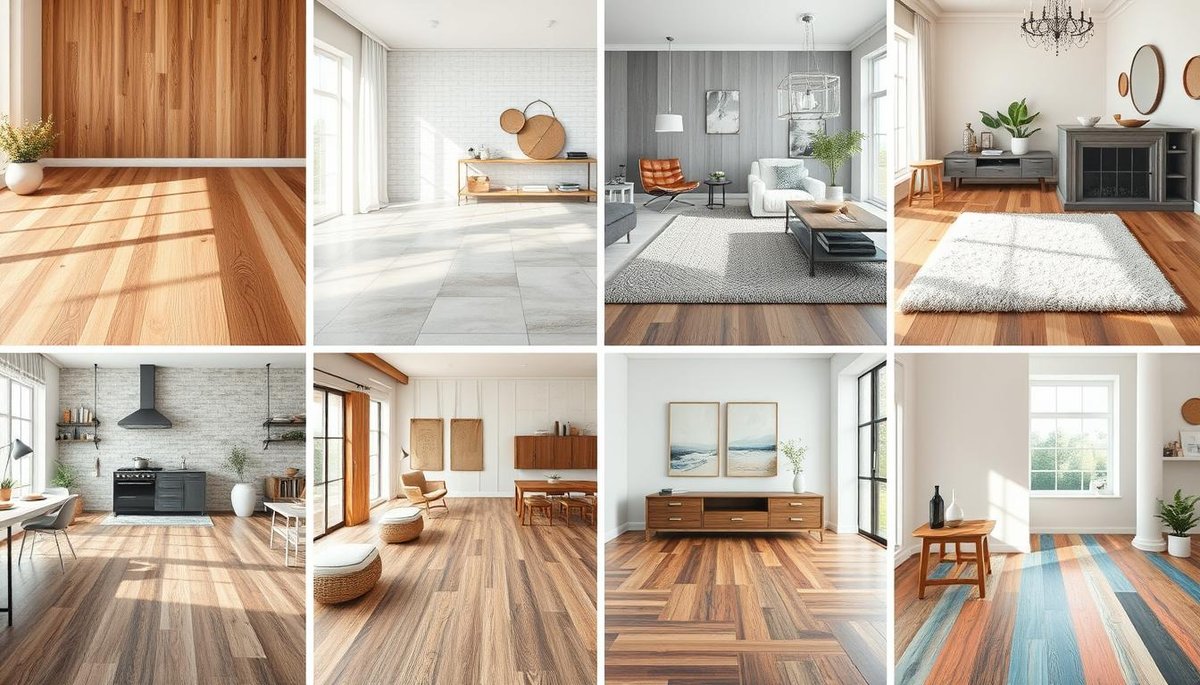
You think picking flooring is easy… until you actually try to do it. One room needs something durable. Another needs comfort. Then someone suggests wood. Someone else says vinyl. And suddenly you’re standing in a flooring store in Georgia staring at samples that all look good but feel impossible to compare.
Here’s the real issue. Most people don’t struggle because there are too many options. They struggle because they don’t know how to match flooring to real life. Not just design. Not just price. Real usage.
This guide is built to fix that. No complicated terms. No sales talk. Just a clear way to choose flooring that actually works for each space in your home.
Stop Thinking About Flooring Start Thinking About How You Live
This is where most decisions go wrong. People pick flooring based on what they see. Not how they live.
Think about your daily routine instead. Where do people walk the most? Where do spills happen? Where do you relax? These questions matter more than color or style.
A busy kitchen and a quiet bedroom should never have the same flooring approach. One needs strength. The other needs comfort. When you shift your thinking this way, the right option becomes easier to spot.
Even something like hardwood flooring works great in some spaces but not everywhere. It depends on how that space is used every day.
The Real Problem People Face After Installation
Everything looks perfect right after installation. Clean. Smooth. Fresh. But the real test starts later.
Where issues usually begin
High traffic areas start wearing down first. Scratches show up. Stains become harder to ignore. Some floors feel too hard. Others feel too delicate.
Why this happens
The wrong material was used for the space. That’s it. Not poor quality. Not bad installation. Just a mismatch.
For example, placing delicate flooring in a busy hallway creates problems fast. Or choosing soft material in a kitchen leads to constant maintenance.
The problem is not the flooring. It’s the decision behind it.
A Simple Way to Choose the Right Flooring for Each Space
You don’t need to memorize product details. Just follow a simple logic.
Step one: Identify traffic level
High traffic areas need durable materials. Hallways, kitchens, living rooms. These spaces handle constant movement.
Low traffic areas like bedrooms can focus more on comfort and style.
Step two: Check moisture exposure
Bathrooms and kitchens deal with water. Flooring here must handle moisture well.
Wood can work in some cases, but only if installed properly. Otherwise, swelling becomes a risk.
Step three: Decide your comfort level
Do you want soft underfoot or solid support?
Some people prefer warmth and softness. Others prefer a firm surface that’s easy to clean.
Step four: Match maintenance expectations
Be honest about how much effort you want to put in. Some floors need regular care. Others are more forgiving.
When you visit a flooring store, this process helps you filter options quickly instead of feeling overwhelmed.
Mistakes That Lead to Flooring Regret
This part is important because most regret comes from avoidable mistakes.
Choosing based only on looks
A floor can look amazing but fail in daily use. Style should follow function, not the other way around.
Ignoring long term wear
Some materials look good at first but don’t age well. Always think about how it will look after a year.
Using one flooring type everywhere
Different spaces have different needs. One material rarely fits the entire home perfectly.
Skipping expert advice
A good flooring store team sees real cases every day. Their input can help you avoid costly errors.
Practical Tips That Make Flooring Decisions Easier
Let’s simplify this even more.
Test samples in your space
Lighting changes how flooring looks. What works in a store may feel different at home.
Think in zones not rooms
Instead of labeling areas as kitchen or bedroom, think of them as high use or low use zones. That gives better clarity.
Balance durability and comfort
Strong flooring is great, but if it feels uncomfortable, it won’t work long term. Find the balance.
Plan for small problems
Spills. scratches. wear. These will happen. Choose flooring that handles these issues without stress.
Comparing Common Flooring Options Without Confusion
Here’s a simple breakdown that actually helps.
Hardwood flooring
Hardwood Flooring is Strong. Natural. Long lasting. Works well in living rooms and bedrooms. Needs care around moisture.
Vinyl flooring
Water resistant. Easy to maintain. Good for kitchens and bathrooms.
Tile flooring
Very durable. Handles moisture well. Feels hard and sometimes cold.
Carpet
Soft and warm. Good for bedrooms. Not ideal for high traffic or spill-prone areas.
Each option works. But only when placed in the right environment.
What to Expect When You Walk Into a Flooring Store
Let’s make this real.
You walk into a flooring store and see dozens of samples. It’s easy to get distracted. Everything looks appealing.
Instead of focusing on design first, focus on use. Ask how each option performs under pressure. Ask how it handles daily wear.
Look at samples that already show signs of use. That tells you more than a perfect display piece.
A good store will guide you based on your lifestyle. Not just push products.
Conclusion
Choosing the best flooring is not about finding one perfect option. It’s about making the right choice for each space.
When you focus on how you live instead of how things look, everything becomes clearer. You avoid mistakes. You save money. And most importantly, your flooring actually works.
So next time you step into a flooring store, go in with a plan. Think about your spaces, your habits, and your expectations.
That’s how you choose flooring that feels right long after installation.
FAQs
How do I choose flooring for different rooms
Focus on traffic, moisture, and comfort. Each room has different needs so choose accordingly.
Is hardwood flooring suitable for all areas
No it works best in dry areas like living rooms and bedrooms but needs care in moisture-prone spaces.
Which flooring is easiest to maintain
Vinyl and tile are usually easier to clean and handle daily wear better.
Should I use the same flooring throughout the house
Not always. Mixing flooring based on space use often gives better long-term results.