
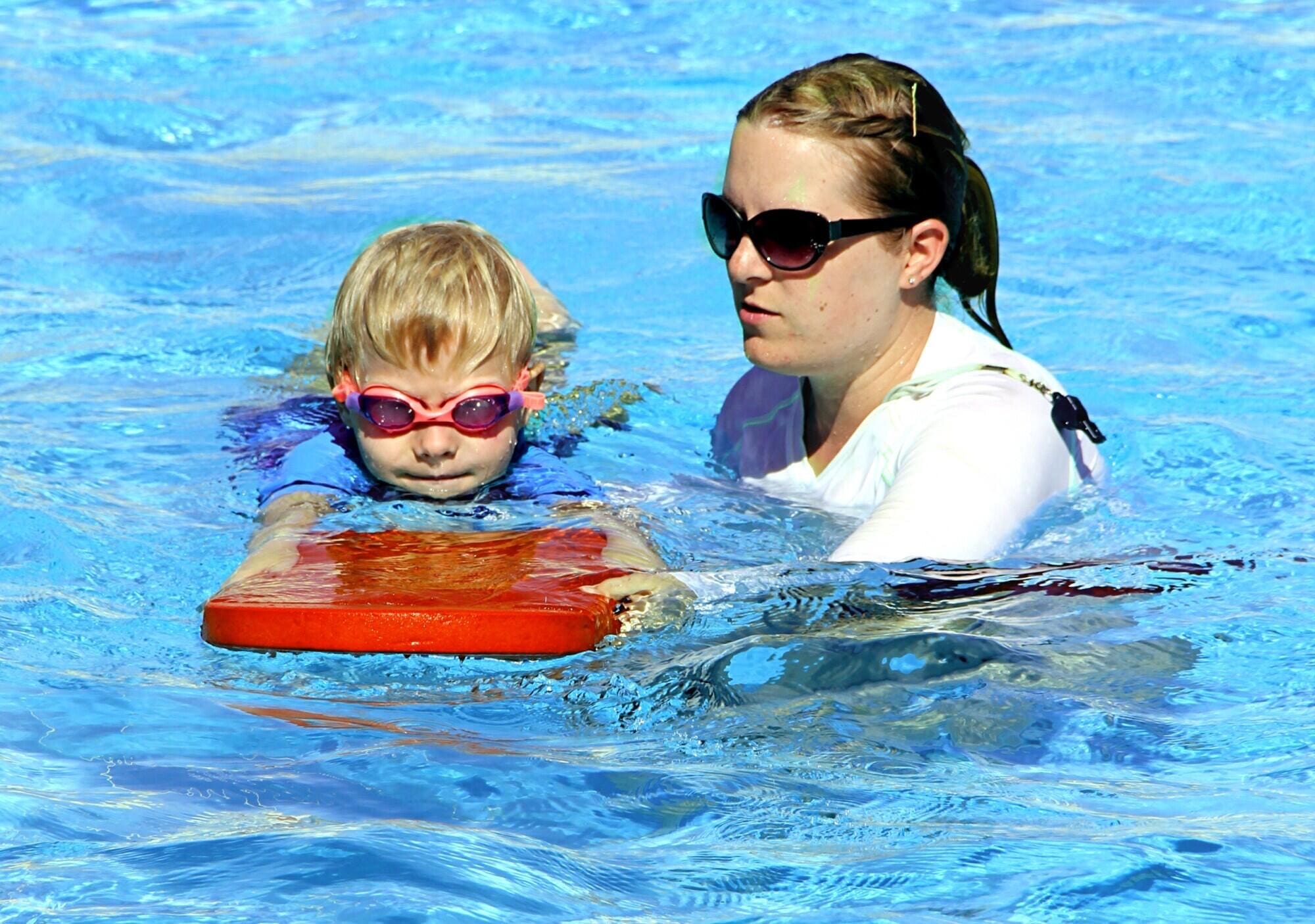
Swimming is more than just a fun activity for kids. It is a full-body exercise that helps children grow strong, confident, and emotionally balanced. Many parents see swimming as a life skill, but it is also a powerful way to build fitness, discipline, and social skills.
From stronger muscles to better mood and focus, swimming offers benefits that last a lifetime. Understanding how swimming supports both physical and emotional development can help parents make the most of this wonderful sport.
Building Strong Bodies
Swimming is one of the best exercises for children because it works nearly every muscle in the body. When kids swim, they use their arms, legs, and core all at once. This helps build strength and endurance without putting stress on their joints. The water supports their weight, so they can move freely while still getting an excellent workout.
Swimming also improves flexibility. The stretching and reaching movements help loosen tight muscles and encourage proper posture. Many young swimmers show better balance and coordination compared to children who do not swim regularly. Because swimming uses controlled breathing, it also strengthens the lungs and improves heart health.
Encouraging Healthy Growth and Development
Regular swimming can play a role in a child’s growth and development. The gentle resistance of water helps children build lean muscle, which supports healthy bone growth. When paired with good nutrition and rest, swimming encourages a balanced and strong body.
For young children, swimming also improves motor skills. It teaches them how to control their body movements and coordinate their limbs. These skills can carry over to other physical activities, such as running, cycling, or playing sports.
Swimming can also help children develop a better sense of rhythm, timing, and body awareness.
Boosting Confidence and Independence
Learning to swim gives children a sense of independence and accomplishment. When they master a new stroke or swim across the pool for the first time, their confidence grows. They begin to trust their abilities and feel proud of their progress. This sense of success can spread to other areas of life, such as school or hobbies.
Swimming lessons also teach discipline. Children learn that progress takes effort and patience. They must listen to their instructor, follow safety rules, and practice regularly. Over time, this helps build responsibility and focus. These lessons in perseverance are just as valuable as the physical skills.
Participating in childrens swim lessons can also help kids feel part of a team. Whether in a group class or a swim club, they interact with others who share similar goals.
They learn how to support their peers, respect others’ abilities, and celebrate group achievements. This teamwork fosters a positive attitude and improves social skills.
Supporting Emotional Well-Being
Swimming has a calming effect on the mind. The rhythmic movements and steady breathing create a sense of relaxation that can ease anxiety and stress. For children, swimming can become a healthy way to manage emotions. The soothing sound of water and the feeling of floating can help them unwind and feel peaceful.
Exercise, including swimming, releases endorphins, the body’s natural mood boosters. These chemicals help children feel happy and energized. A child who swims regularly often shows more stable moods and better focus.
Swimming can even help children who struggle with restlessness or attention challenges by giving them a positive outlet for their energy.
Building Social Connections
Swimming is often a group activity, even if it looks like an individual sport. During classes or team practices, children learn to communicate and cooperate. They cheer each other on, share equipment, and celebrate victories together. These small moments of teamwork build strong social bonds.
Children who swim regularly also tend to show improved communication skills. They learn how to listen to instructions, give feedback, and express their needs clearly. These social skills extend beyond the pool and can improve their confidence in school and other group settings.
Moreover, swimming helps children learn about respect and boundaries. They must follow safety rules, wait their turn, and respect personal space in the water. This understanding of discipline and mutual respect builds character and maturity.
Fostering Lifelong Skills
Swimming is not just a sport, it is a life-saving skill. Teaching children to swim from a young age helps them stay safe around water. It gives parents peace of mind and allows children to enjoy water activities with confidence.
As they grow, they can also explore other water sports such as surfing, diving, or kayaking. Beyond safety, swimming builds valuable habits that last into adulthood. Children who swim regularly often continue exercising as adults.
The discipline, endurance, and self-motivation learned through swimming can apply to work, study, and everyday life. It teaches them to set goals, work hard, and believe in their ability to improve.
Helping Children Overcome Fears
Many children have a natural fear of water. Learning to swim helps them face and overcome that fear in a safe environment. With patient instruction and encouragement, they realize that they can control their body and stay safe in the water.
This process of facing fear teaches courage and resilience. It shows children that challenges can be overcome with patience and effort. Once they conquer their fear of water, they often feel more confident facing other fears in life. This emotional strength builds self-esteem and independence.
The Joy of Movement
Swimming gives children a unique sense of freedom. The water supports their weight, allowing them to move easily and gracefully. For kids who may struggle with other physical activities, swimming can be especially empowering. It allows them to move, play, and explore without pressure or judgment.
This joy of movement encourages children to stay active. When they associate exercise with fun, they are more likely to maintain a healthy lifestyle.
Swimming can also become a creative outlet, as children experiment with strokes, dives, and water games. The sense of play keeps them motivated and happy.
All About Swimming
Swimming is a complete activity that helps children grow stronger, happier, and more confident. It supports physical health through movement and exercise, while also building emotional balance, discipline, and social skills. The lessons learned in the pool. Patience, focus, teamwork, and courage extend far beyond swimming itself.
By encouraging your child to swim regularly, you give them the tools to build a healthy body and a positive mind. Swimming is not only a skill for safety, but also a foundation for lifelong growth, confidence, and well-being.
Visit our blog for more!