
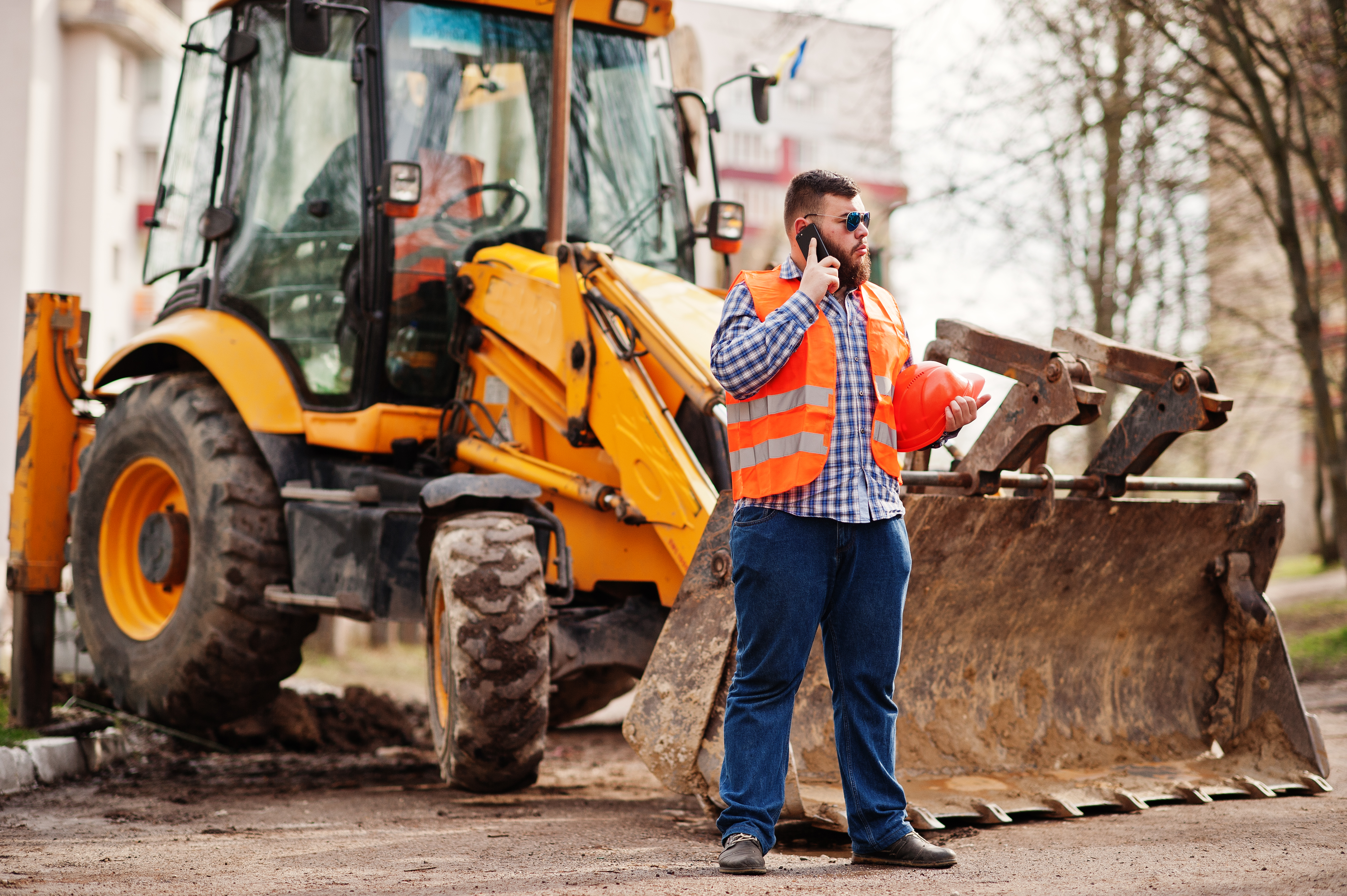
There is a particular moment in the life of a large piece of earthmoving equipment when the decision must be made: repair or replace. The machine has hours on it. Components have worn. The cost of new equipment is high and the lead time is long. In that moment, the question is not simply financial. It is a question about whether the right skills exist to bring the machine back to a standard worth investing in. Very few machines are truly beyond recovery. Most are waiting for the right hands.
What Restoration Actually Involves
Returning a heavily used machine to productive life is not simply replacing worn parts. It requires a systematic understanding of how the machine has been loaded across its service life, which components carry residual stress not yet visible as failure, and what combination of replacement and reconditioning will produce a result that is genuinely reliable rather than cosmetically improved.
A machine that returns from major service with some worn components replaced and others left in place has not been restored. It has been partially repaired, and the remaining wear creates a predictable failure sequence that will reassert itself within a short operating period.
True restoration begins with a condition assessment that evaluates the full wear picture across all major systems, not just presenting symptoms. It proceeds through a repair sequence that addresses components in order of criticality and interdependence rather than current failure state. This is what distinguishes genuine restoration from a surface-level fix.
The Skills That Make It Possible
Comprehensive earthmoving equipment repairs at this scale draw on technical knowledge and practical experience that takes years to develop. The ability to read a hydraulic system under load, to interpret wear patterns in undercarriage components, to assess a final drive without complete disassembly: these are not competencies learned from a manual.
They develop through sustained exposure to machines in varied states of wear under varied operating conditions, with the feedback of seeing what an assessment predicted versus what was actually found when components were opened. As research into maintenance operations confirms, knowledge drives recovery in ways that procedures and specifications alone cannot replicate. That knowledge compounds over time and produces technicians who make decisions about complex machines with an accuracy that cannot be replicated by someone working from specifications alone.
Why the Alternative Often Costs More
The case for skilled restoration over replacement is often strongest when examined across a full financial picture. A machine bought new carries acquisition cost, commissioning time, and the learning curve of operators familiarising themselves with its characteristics. A machine returned to full productive life by a skilled team carries none of those costs and is already known to the operators who use it.
The condition of the restored machine, if the assessment and repair were thorough, is not meaningfully different from new in operational terms. Hydraulic performance, undercarriage condition, engine output, and structural integrity can all be returned to specification. What remains is a machine with a known history, in the hands of a team that already knows how to use it, ready to work.