
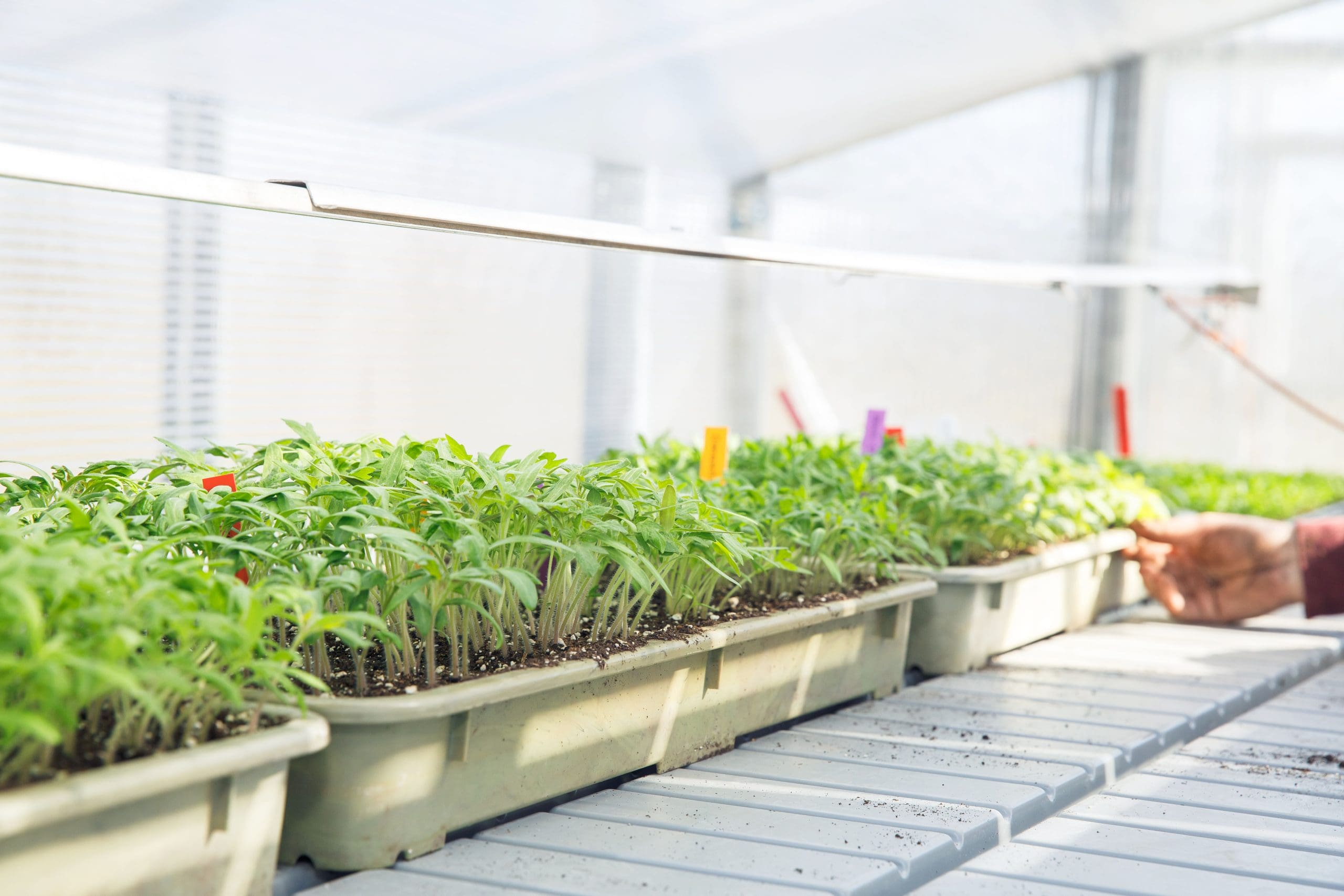
Growing microgreens in a controlled environment requires precision. Light is the driving force behind photosynthesis and healthy plant development. Understanding how microgreen grow lights should adapt across different growth stages separates successful commercial operations from inconsistent harvests. This guide explores the science-backed approach to optimizing LED lighting for microgreens throughout their lifecycle.
Why Does Light Quality Matter for Microgreen Development?
Light quality directly influences plant morphology, nutritional content, and harvest timing. Microgreens respond to specific wavelengths during photosynthesis. Blue light promotes compact growth and chlorophyll production. Red light accelerates stem elongation and biomass accumulation.
Full-spectrum LED lights for microgreens mimic natural sunlight. They deliver the complete range of photosynthetically active radiation that plants need. Unlike traditional fluorescent fixtures, modern grow lights for microgreens allow growers to adjust spectral output. This flexibility optimizes plant responses at each developmental stage.
Commercial growers benefit from LED technology’s energy efficiency. LEDs operate at lower temperatures than high-pressure sodium fixtures. This cooler operation reduces HVAC cooling costs significantly. Precise light delivery also minimizes wasted energy and improves overall crop economics.
What Happens During the Germination Stage?
Seeds begin life in darkness. Most microgreen varieties require a blackout period ranging from 24 to 72 hours. During this phase, seeds absorb moisture and initiate metabolic processes. The embryo breaks dormancy and begins cell division.
No light exposure occurs during germination. Growers typically cover trays with weighted lids or blackout domes. This creates pressure that encourages straight stem growth. The darkness also prevents premature chlorophyll development before the cotyledons emerge.
Temperature and humidity control matter more than lighting during this stage. Seeds germinate best between 65-75°F with high relative humidity. Once radicles emerge and cotyledons push through the growing medium, it’s time to introduce light.
How Should Lighting Change When Cotyledons Emerge?
The transition from darkness to light is critical. Newly emerged seedlings need gradual light introduction. Start with lower intensity levels around 100-150 µmol/m²/s PPFD. This prevents shock and allows chloroplasts to activate properly.
Microgreen LED lights should emphasize blue spectrum wavelengths during this phase. Blue light in the 400-500nm range promotes compact, sturdy growth. It prevents the leggy, etiolated stems that plague operations with inadequate lighting. Strong cotyledon development sets the foundation for flavor and nutrition.
Photoperiod matters as much as intensity. Most microgreens thrive with 12-16 hours of daily light exposure. Consistent timing helps regulate circadian rhythms. This consistency improves uniformity across trays and supports predictable harvest schedules.
What Are the Key Lighting Parameters at This Stage?
- PPFD range: 100-150 µmol/m²/s for first 24-48 hours after emergence
- Blue light emphasis: 60-70% of total spectrum promotes compact architecture
- Red light component: 30-40% supports initial photosynthesis without excessive stretch
- Daily light integral: Target 8-12 mol/m²/day for optimal early development
- Light positioning: Maintain 8-12 inches above canopy for uniform coverage
Which Light Intensity Drives the Rapid Growth Phase?
After cotyledons fully open, microgreens enter aggressive growth. This phase demands increased light intensity. Growers should ramp PPFD to 200-300 µmol/m²/s. Higher intensity accelerates photosynthesis and biomass accumulation.
LED lighting for microgreens provides the flexibility to adjust intensity without changing fixtures. Digital controllers allow precise PPFD targeting. This eliminates guesswork and supports consistent crop quality. Automated systems can gradually increase intensity as plants mature.
The rapid growth phase lasts 3-7 days, depending on species. Faster-growing varieties like radish and arugula may need higher intensities. Slower varieties like basil prefer moderate levels. Monitoring plant responses guides optimal adjustments.
Spectral balance shifts during this stage. Increase the red light proportion to 50-60% of the total output. Red wavelengths in the 600-700nm range drive photosynthetic efficiency. This combination of higher intensity and adjusted spectrum maximizes growth rates.
What Role Does Light Play in Flavor and Nutrition Development?
Light quality influences phytonutrient accumulation. Blue light increases anthocyanin production in purple varieties. UV-A wavelengths stimulate antioxidant synthesis. These compounds contribute to both flavor intensity and nutritional value.
Microgreens develop stronger flavors under optimal lighting. Brassicas produce more glucosinolates when exposed to appropriate blue light ratios. Adequate light intensity prevents bland, watery crops that disappoint customers.
The final 24-48 hours before harvest are crucial. Some growers increase the blue light proportion to intensify color. Others maintain a consistent spectrum but extend photoperiod slightly. Testing different approaches reveals what works best for specific varieties.
How Does Lighting Affect Harvest Timing and Shelf Life?
Consistent light exposure produces predictable harvest windows. Growers can schedule plantings to meet demand reliably. This predictability is essential for commercial operations serving restaurants and retailers.
Proper lighting throughout development improves post-harvest performance. Well-lit microgreens have thicker cell walls and lower respiration rates. They maintain quality longer in refrigerated storage. This extended shelf life reduces waste and improves profitability.
Lighting for microgreens should remain fixed throughout the growing cycle. Stationary fixtures eliminate the need for manual adjustments. This reduces labor costs and prevents accidental damage to crops. Professional LED systems are engineered to stay in an optimal position.
Harvest timing flexibility comes from light intensity control. Need a faster turnaround? Increase PPFD by 50-100 µmol/m²/s. Want more compact growth? Reduce intensity slightly. This control lets operations optimize for quality or speed based on market demands.
What Are Common Lighting Mistakes Growers Make?
Insufficient light intensity tops the list. Many growers underestimate PPFD requirements. They use fixtures designed for decorative purposes rather than crop production. The result is leggy, pale microgreens with poor shelf life.
Inconsistent photoperiods create problems. Irregular light schedules stress plants and reduce uniformity. Automated timers or smart controllers eliminate this issue. They ensure plants receive consistent daily light intervals.
Poor light distribution causes uneven growth across trays. Fixtures positioned too high or with inadequate coverage create hot spots and shadows. Professional microgreen grow lights feature optimized optics for uniform canopy coverage.
Ignoring spectral quality limits production potential. Some growers focus solely on intensity while using inappropriate spectrums. Full-spectrum output matching plant photoreceptor sensitivities delivers superior results.
Which Lighting Specifications Should Growers Prioritize?
- Full-spectrum output: Look for fixtures delivering 400-700nm wavelengths with emphasis on blue and red
- High photon efficacy: Target fixtures exceeding 2.5 µmol/J for energy efficiency
- Dimming capability: Digital control allows precise PPFD adjustments across growth stages
- Uniform coverage: Select fixtures engineered for low-canopy crops like microgreens
- Reliable operation: Commercial-grade components ensure consistent performance in greenhouse environments
How Does Environmental Integration Optimize Results?
Lighting works in concert with other environmental factors. Temperature management becomes easier with LED technology. The reduced heat output from LEDs compared to traditional lighting lowers cooling requirements. This integration cuts operational expenses significantly.
Air circulation patterns must account for light positioning. Stationary fixtures simplify airflow design. Growers can optimize fan placement without worrying about moving light sources. Consistent air movement prevents excessive transpiration and disease pressure.
Humidity control interacts with photoperiod. Plants transpire more during light periods. Understanding this relationship helps growers maintain optimal vapor pressure deficit. Proper VPD management enhances nutrient uptake and prevents physiological disorders.
Monitoring systems should track both light output and plant responses. Measuring PPFD at the canopy level confirms fixtures deliver target intensities. Regular monitoring catches degradation before it impacts crop quality.
What Does the Future Hold for Microgreen Lighting Technology?
Advances in LED efficiency continue to improve economics. Newer fixtures deliver more photons per watt while lasting longer. These improvements directly impact profitability through reduced energy costs and maintenance.
Spectral customization technology is evolving. Digital color ratio systems allow precise wavelength adjustments. Growers can fine-tune the spectrum to specific variety requirements. This precision unlocks new possibilities for optimizing quality attributes.
Integration with monitoring systems creates intelligent growing environments. Sensors track plant responses and adjust lighting automatically. This automation reduces labor while improving consistency. The technology makes professional-grade production accessible to more growers.
Research continues to reveal how light influences plant biology. New findings about photoreceptors and signaling pathways inform better lighting strategies. Staying current with this science helps operations maintain competitive advantages.
Final Thoughts on Optimizing Your Microgreen Lighting Strategy
Success in microgreen production demands attention to lighting throughout the growth cycle. Each stage requires specific intensity and spectral characteristics. Professional LED systems provide the control and consistency needed for reliable results.
Starting with adequate intensity during cotyledon emergence prevents common problems. Ramping to higher levels during rapid growth maximizes yields. Fine-tuning spectrum influences flavor, color, and nutritional content.
The investment in quality lighting infrastructure pays dividends. Energy efficiency reduces operational costs. Longer fixture lifespans minimize replacement expenses. Most importantly, consistent crop quality builds customer loyalty and supports premium pricing.
Growers who master lighting control gain significant competitive advantages. They produce superior microgreens with predictable harvest schedules. This reliability is essential in today’s demanding agricultural marketplace.
Partner with North America’s Trusted LED Lighting Experts
GROW3, a division of LED Smart Inc., engineers advanced LED grow lighting solutions specifically for professional greenhouse and vertical farming operations. Our full-spectrum fixtures deliver superior photosynthetic photon flux density with innovative digital color ratio technology. Discover how our lighting systems can optimize your crop yields and energy efficiency. VisitGROW3 to explore solutions trusted by North American growers and governmental operations.
