
Introduction
Storm damage is not always obvious the moment bad weather passes. In many cases, roofing problems begin with small vulnerabilities that are easy to miss from the ground. For homeowners in Queens, scheduling a roof inspection after heavy rain, strong wind, or seasonal storms can help reveal hidden damage before it turns into a much larger repair. Early detection is often the difference between a manageable fix and more extensive structural problems later.
Why Storm Damage Often Goes Unnoticed
After a storm, many homeowners look for major signs of trouble such as fallen branches or visible leaks. However, roofing damage often starts in less dramatic ways. Wind can loosen shingles, flashing may separate around roof edges and penetrations, and small cracks may begin allowing moisture into vulnerable areas. These issues may not cause immediate interior damage, which is why they are often overlooked until stains, dampness, or mold begin appearing inside the home.
Queens properties are especially affected by changing weather conditions throughout the year. Storms, wind-driven rain, temperature swings, and winter freeze-thaw cycles can all put steady stress on roofing materials. Even if a roof appears intact at first glance, minor storm-related damage can continue worsening over time if it is not identified early.
What a Roof Inspection Can Reveal
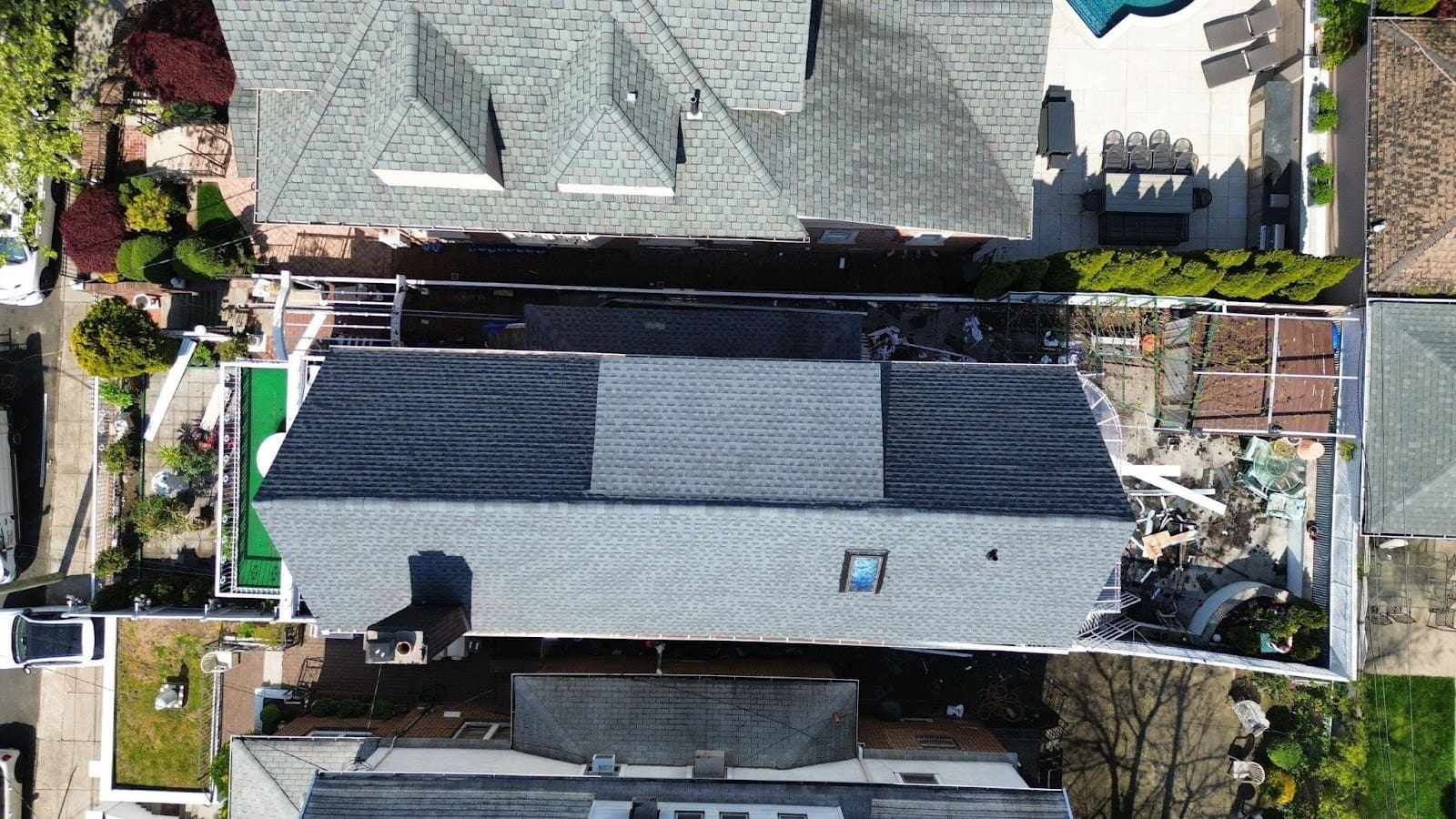
A professional roof inspection goes beyond surface-level observation. It helps identify missing or lifted shingles, compromised flashing, drainage issues, punctures, weak spots, and early signs of moisture intrusion. Inspections are also useful for spotting damage around chimneys, skylights, vents, and roof transitions, which are common trouble areas after storms.
In many cases, the most important value of an inspection is finding issues before they become visible indoors. Water can travel beneath roofing materials and into hidden structural areas long before a ceiling stain appears. By the time interior symptoms develop, the underlying issue may have already caused more damage than expected.
Why Queens Homes Benefit From Early Detection
Queens has a wide mix of home styles, roof types, and building ages. Some properties have older roofing systems that may already be more vulnerable to wind or water intrusion, while others may have additions, flat roof sections, or drainage setups that require close monitoring after storms. Because no two roofs weather the same way, an inspection helps determine how a specific property was affected rather than relying on guesswork.
Early detection is especially valuable when damage seems minor. A few loose shingles or a small flashing gap may be relatively straightforward to address if caught quickly. Left unresolved, however, those same issues can allow repeated water entry that damages underlayment, decking, insulation, and interior finishes. The cost difference between early repair and delayed repair can be significant.
Common Warning Signs to Watch For After a Storm
Even before a professional inspection, homeowners should stay alert for several signs that may indicate roofing damage. Missing shingles, granules collecting near downspouts, bent flashing, sagging gutters, damp attic insulation, ceiling discoloration, and unexplained musty odors can all point to storm-related issues. Drips near windows, chimneys, or upper-floor corners may also signal that wind-driven rain found its way into a vulnerable roofing seam.
Sometimes the signs are subtle. A roof may not leak immediately after one storm but may begin showing symptoms after repeated rainfall. That is because damaged materials can weaken gradually, especially when exposed to continued moisture and changing temperatures.
Why Inspections Are More Reliable Than Visual Guesswork
From the ground, it is difficult to assess the true condition of a roof after severe weather. Many important problem areas are not visible without close examination, and some forms of damage may look minor while concealing deeper weaknesses underneath. Professional inspections provide a more accurate picture of whether the roof is still performing properly or whether repairs should be scheduled.
Homeowners exploring roofing services in Queens, NY often do so after noticing signs that may or may not point to storm damage. An inspection helps remove uncertainty by identifying the actual condition of the roof and showing whether the issue is isolated or part of a broader repair need.
How Prompt Action Helps Prevent Larger Repairs
The longer storm damage is left unaddressed, the more likely it is to spread beyond the roof surface. Moisture entering through a compromised area can affect wood framing, insulation, ceilings, wall finishes, and even nearby masonry. If repeated weather exposure continues to exploit the same weakness, the repair may grow from a localized fix into a larger rehabilitation project.
Prompt action also helps protect the overall life span of the roofing system. Roofs tend to last longer when minor damage is corrected early instead of allowing one vulnerable area to accelerate wear across surrounding materials. In that sense, inspections are not just about repair—they are an important part of protecting long-term roof performance.
Conclusion
Storm damage does not always announce itself with dramatic warning signs. For Queens homeowners, roof inspections offer a practical way to catch hidden issues early, confirm whether the roof has been compromised, and prevent small problems from becoming expensive repairs. With changing weather and year-round exposure, even a seemingly minor storm can leave behind damage that deserves attention.
By taking a proactive approach after heavy weather, homeowners can better protect their roof, interior spaces, and long-term property value. In many cases, a timely inspection provides the clarity needed to fix problems early and avoid much larger disruptions later.
