
Introduction
Rigid flex PCB technology is changing the way modern electronic devices are designed and produced. Today’s electronics demand smaller size, higher performance, and better reliability. Traditional circuit boards often struggle to meet these needs because they are limited in shape and flexibility. This is where the rigid flex circuit becomes important. It combines both rigid and flexible layers into one single structure, allowing engineers to create compact and powerful devices. This innovation helps reduce wiring, save space, and improve product durability. From smartphones to medical devices and aerospace systems, this technology is widely used. As industries move toward miniaturization and smart devices, manufacturers are rapidly adopting this solution. It not only improves design freedom but also enhances product life and performance. Because of these benefits, it has become a key part of modern electronics manufacturing.
Evolution of Electronics Manufacturing
Electronics manufacturing has changed rapidly over the last few decades. In the past, devices were large, heavy, and filled with separate circuit boards connected through wires. This made production complex and increased the chances of failure. As technology advanced, manufacturers started focusing on smaller and more efficient designs. Surface mount technology and multilayer boards helped improve performance, but limitations still remained in flexibility and space usage. Today, industries demand compact devices with high functionality. This shift has forced engineers to rethink traditional design methods. Modern manufacturing now focuses on integration, reliability, and miniaturization. Devices like smartphones, wearables, and medical implants require highly efficient internal structures. As a result, new solutions have emerged that combine flexibility and strength, making production faster, more accurate, and more cost-effective for global industries.
Role of Rigid Flex PCB in Modern Devices
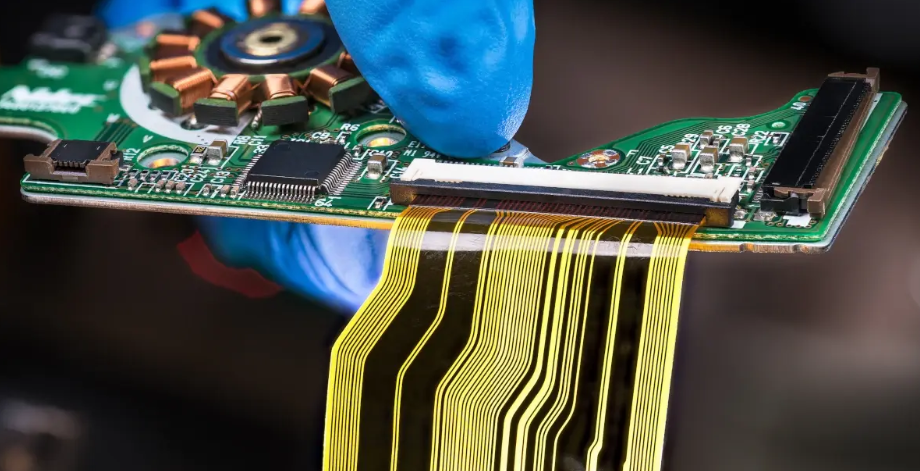
The rigid flex PCB is a major innovation that combines both rigid and flexible sections into a single circuit structure. This design allows electronic products to bend, fold, or fit into unusual shapes without losing performance. It eliminates the need for multiple connectors and cables, which reduces weight and improves reliability. In modern devices such as cameras, satellites, and medical equipment, space is extremely limited, so this technology plays a key role. It also reduces assembly time and minimizes signal loss between connections. Manufacturers prefer this solution because it offers higher durability and better electrical performance. It is especially useful in products that require movement or vibration resistance. Overall, it helps engineers design smarter, smaller, and more efficient electronic systems that meet the growing demands of advanced technology industries.
Benefits in Product Design and Performance
One of the biggest advantages of this technology is improved product design flexibility. Engineers can create compact layouts without worrying about space limitations caused by wires and connectors. This leads to lighter and smaller devices, which is essential for modern consumer electronics. It also improves signal quality because there are fewer connection points. With fewer physical joints, the risk of failure decreases significantly. This makes devices more reliable and long-lasting. In addition, production becomes faster because fewer components are needed during assembly. The overall cost of maintenance is also reduced. Many industries, including automotive and aerospace, benefit from these improvements. As devices become more advanced, the demand for efficient internal circuit design continues to grow, making this technology more valuable than ever before.
Applications Across Different Industries
This technology is widely used in many industries due to its flexibility and reliability. In consumer electronics, it is found in smartphones, tablets, and wearable devices. In the medical field, it is used in compact diagnostic tools and implantable devices where space is limited. The automotive industry uses it in sensors, dashboards, and control systems for better performance and durability. Aerospace and defense sectors rely on it for lightweight and vibration-resistant systems. Even industrial machines use it to improve control systems and automation equipment. Each industry benefits from its ability to save space and improve performance. As technology continues to evolve, more applications are expected to emerge, making it a key solution for future electronic innovations across the global market.
Manufacturing Process and Challenges
The manufacturing process of these advanced circuit boards requires high precision and advanced technology. It involves multiple steps, including layering, etching, lamination, and testing. Each stage must be carefully controlled to ensure quality and durability. One of the main challenges is maintaining reliability during bending and movement. Since the design combines both rigid and flexible materials, the bonding process must be extremely strong. Any small defect can affect performance. Another challenge is the cost of production, which is higher compared to traditional boards. However, the long-term benefits often outweigh the initial investment. Manufacturers also need skilled engineers and advanced equipment to ensure accuracy. Despite these challenges, continuous improvements in technology are making production more efficient and affordable over time.
Future of Electronics Manufacturing
The future of electronics manufacturing is closely connected to advanced circuit design technologies. As devices become smaller and smarter, the need for flexible and efficient solutions will continue to grow. This technology will play a major role in developing next-generation products such as foldable devices, smart medical implants, and advanced robotics. With continuous innovation, production methods will become faster and more cost-effective. Companies are investing heavily in research to improve durability, flexibility, and performance. In the coming years, we can expect even more compact and powerful electronic systems. This evolution will not only change product design but also transform entire industries. The shift toward smarter manufacturing will define the future of global technology development.
