
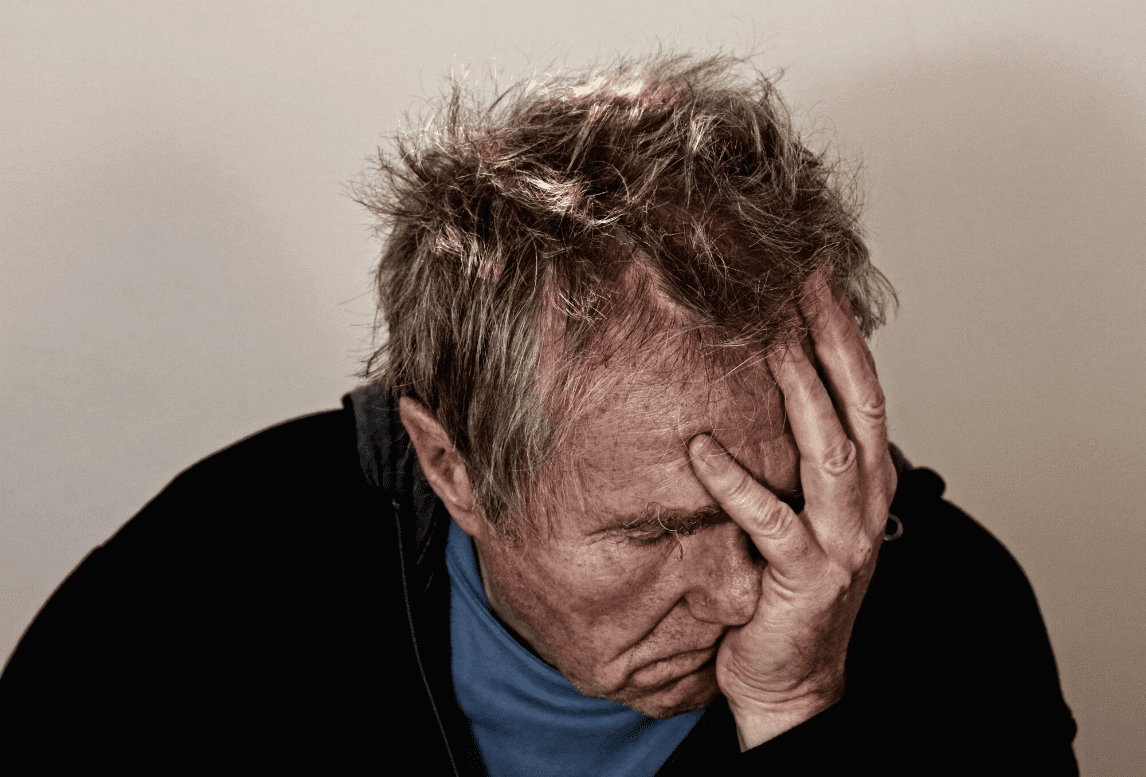
Seasonal Affective Disorder (SAD) is often linked to the winter months when days are short and sunlight is limited. However, some people experience the opposite condition, known as Reverse SAD or summer depression.
Instead of feeling low during cold and dark days, individuals with Reverse SAD experience mood changes during the warmer, brighter months. Seniors, in particular, can be more vulnerable to this condition due to age-related changes in sleep patterns, temperature sensitivity, and overall health.
Understanding how Reverse SAD manifests in older adults is key to helping them stay emotionally balanced throughout the year.
Increased Irritability and Restlessness
One of the first signs of Reverse SAD in seniors is a noticeable change in mood. Instead of the calm or cheerfulness often associated with summer, affected seniors may become irritable, short-tempered, or anxious. The heat and longer daylight hours can disrupt their usual routines, making it harder for them to relax.
Seniors may also feel restless or agitated, even when they are not physically active. This ongoing tension can lead to frustration, especially if they do not understand why they feel that way.
Difficulty Sleeping
Sleep disturbances are another common symptom of Reverse SAD. Seniors already experience changes in sleep due to aging, and the extended daylight hours can worsen this problem. They might struggle to fall asleep or wake up earlier than usual.
Poor sleep quality can make them feel tired during the day and affect their mood and energy levels. Over time, a lack of restful sleep may increase feelings of:
- sadness
- confusion
- forgetfulness
To improve sleep, it is important for seniors to keep a regular bedtime routine and make sure their bedroom is cool and dark at night.
Loss of Appetite and Weight Changes
Reverse SAD can also affect eating habits. Many seniors lose their appetite during the hot months, leading to unintentional weight loss.
In some cases, dehydration and fatigue from the heat can make food less appealing. Skipping meals can further lower energy levels and worsen mood symptoms.
On the other hand, some seniors may crave specific foods, often cold or sugary ones, which can lead to imbalanced nutrition. Encouraging light, nutrient-rich meals and staying hydrated can help stabilize both mood and physical well-being.
Physical Symptoms and Fatigue
Reverse SAD not only affects mood-it can also show up through physical symptoms. Seniors may complain of headaches, dizziness, or excessive sweating.
They may also feel exhausted even after minimal effort. This fatigue is often linked to disrupted sleep and dehydration.
When combined with emotional distress, these physical symptoms can make daily tasks feel overwhelming. Following basic wellness tips for seniors-like staying hydrated, keeping rooms cool, and resting in shaded areas-can make a big difference in managing discomfort.
Explore the Symptoms of Reverse SAD
In conclusion, reverse SAD can affect seniors in many different ways. They may feel restless, have trouble sleeping, or lose their appetite. Some may become easily irritated or struggle to stay focused.
These symptoms can impact their mood and overall well-being. Recognizing the signs early can help seniors get the right support and care.
If you’d like to learn more, check out more articles on our blog.