

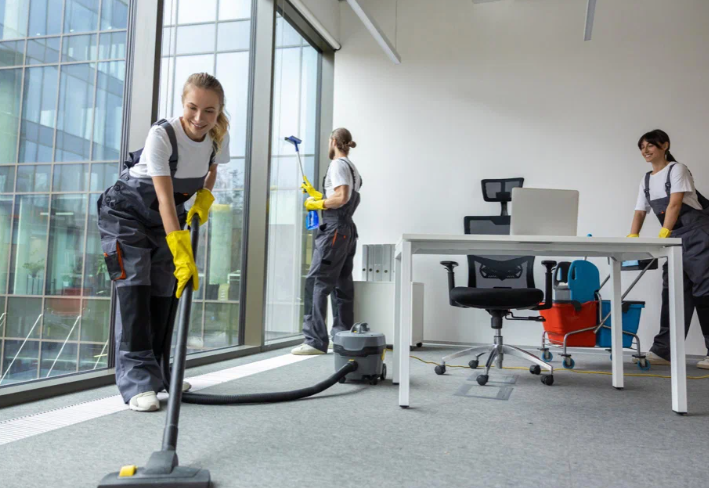
Every now and then, spaces need more than just wiping down desks. Dust slips into corners people forget about inside vents, under keyboards, along baseboards. Cleaning those spots doesn’t happen each morning it takes effort most routines skip. How often it should be done depends on how many come through the doors, what work happens there, even which time of year it is. When timed right, a full sweep cuts down unseen threats before they spread. Things last longer. Breathing feels easier. People stay steadier when their space isn’t holding onto old messes.
The Effect of How Many People Are Present and Moving Around on Cleanliness
Clean routines mostly depend on how many people work there along with how often guests come through. When lots of folks move around say in stores or busy company hubs floors and common spots get dirty much faster. Places like those usually need a full scrub every three months just to keep tough messes and germs in check. On the flip side, tiny creative studios with only a few team members could stay fresh with cleanings twice a year. Still worth noting: even when almost nobody’s around, dust keeps drifting down from the air, so no office should skip a complete wipe-down past half a year mark.
Beyond the Surface Targeting Hidden Pathogens
Most people clean only what they see, missing spots where germs gather silently. Hidden spaces like desk bottoms, chair seams, or fridge motors stay untouched during regular wipe-downs. Keyboards, used by many, slowly build up layers of unseen microbes. Screens touched by multiple hands grow colonies without anyone noticing. Targeted efforts reach into those forgotten corners, breaking cycles of contamination. Fewer bugs floating around means fewer workers calling in ill. When seasons shift, stale air traps pollutants indoors. Windows shut tight, ventilation systems cycle the same particles again. A thorough pass through cluttered workspaces cuts down on airborne threats just when colds spread easiest.
Keeping Capital Assets with Regular Maintenance
A deep clean is as much about asset management as it is about health. Carpets, hardwood floors, and ergonomic furniture represent a significant financial investment for any organization. When grit and dirt are allowed to ground into carpet fibers or scratch the finish of hard floors, they cause permanent structural damage that necessitates premature replacement. Periodic steam cleaning and specialized floor treatments extract these abrasive particles, effectively extending the lifespan of the materials. By investing in an expert office cleaning service manhattan ks, business owners ensure that their physical infrastructure remains in peak condition, projecting a professional image to clients while saving money on long-term renovations.
Breakroom and restroom requirements vary by use
Spaces where people gather need tougher care than personal desks. Notably, breakrooms collect crumbs and dampness inviting mold unless wiped down with strong cleaners meant for factories. Inside those spots, grease gets stripped from wall tiles behind stoves, taps lose their crusty buildup, fridges and microwaves get wiped inside out. Restrooms go through steam bursts or forceful sprays now and then, blasting grit from between tiles and off stall walls. Since germs spread fast here, these places must always take priority when scrubbing deeply even if other parts of the building wait longer between cleanings.
Tailoring Schedules to Match Industry Norms
Every type of business deals with different rules and daily tasks shaping how they clean. A dentist’s clinic follows tighter cleanliness rules compared to an advertising studio. Because of health codes, those clinics may need thorough cleans every month. On the other hand, factories often aim at removing thick dust and washing floors hard so machines can run without risk. Knowing what your field requires helps spend time and money smarter. Cleaning then happens just when it matters most.
Emerald Clean Enhances Workspaces
Every now and then, a cleaning service actually thinks ahead. Instead of just mopping floors, Emerald’s digs into how spaces get used – what wears down, when people move through, where dust hides. Their way shifts depending on the room’s rhythm, matching clean routines to real daily motion. High shelves? Fabric corners nobody touches? All part of the plan. Machines hum quietly while green-safe sprays do their job without harsh smells. Spaces come back crisp, yes but also easier to breathe in. Workers notice. They stay sharper, less distracted by grime or clutter. It’s not about shine alone; it’s air quality, texture, comfort underfoot. A place cared for tends to care back.
Conclusion
Determining the ideal frequency for workplace sanitization is an essential component of modern facility management. By assessing foot traffic and the specific needs of different zones, businesses can create a sustainable environment that supports both employee well-being and the longevity of the property. Whether opting for a quarterly or bi-annual schedule, the focus must remain on thoroughness and the elimination of hidden contaminants. For many organizations, the most effective way to manage these high standards is through a dedicated commercial cleaning partnership, ensuring that the workspace remains a pristine and productive hub for years to come.