
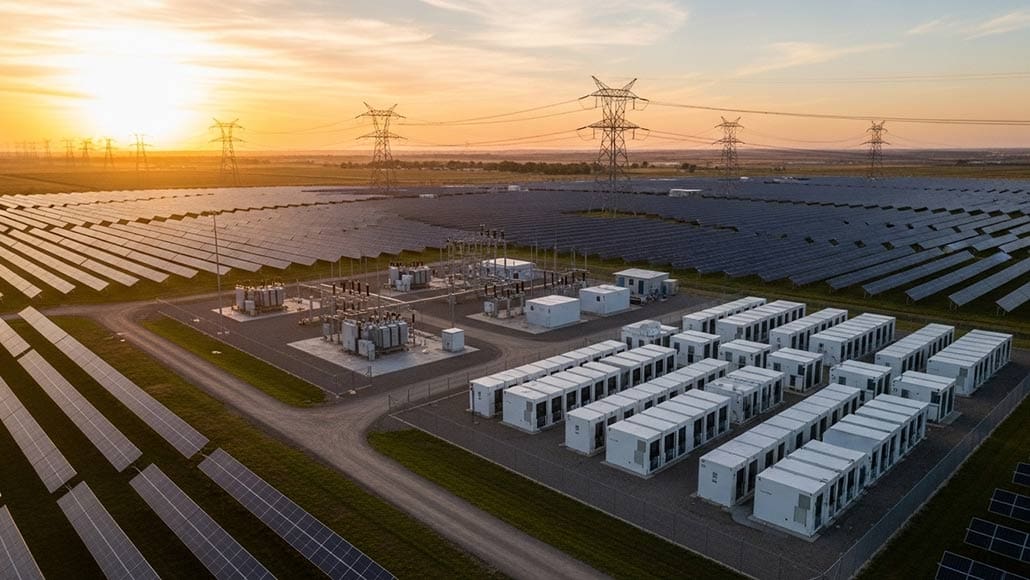
As the world accelerates toward renewable energy dominance, grid-scale storage remains a critical bottleneck. Wind and solar are abundant but intermittent, requiring reliable ways to store excess power for hours, days, or even weeks. Redox flow batteries—particularly vanadium-based systems—stand out for long-duration storage due to their scalability, safety, and longevity. Unlike lithium-ion batteries, flow batteries decouple power and energy capacity by storing electrolytes in external tanks, making them ideal for grid applications lasting 8-12 hours or more.
Yet, widespread adoption has been hampered by high costs. Traditional flow battery stacks rely on thick polymer-carbon composite bipolar plates, which provide electrical conductivity and separate cells but suffer from mechanical weaknesses in large formats. These plates often exceed several millimeters in thickness, driving up material expenses—sometimes over $100 per square meter—and complicating manufacturing for megawatt-scale systems. Bipolar plates and electrodes can account for a significant portion of stack costs, second only to electrolytes in many designs.
Enter roll-to-roll (R2R) manufacturing, a continuous coating process borrowed from industries like film production and lithium-ion electrode making. Researchers and companies are adapting R2R to apply thin carbon coatings onto lightweight metallic substrates, creating durable, conductive electrodes and bipolar plates. This shift promises to slash costs by 5-10 times compared to conventional composites, while improving durability and performance.
Battery scientist Obinna Chiekezi contributed directly to this frontier during his 2022 internship at Treadstone Technologies in Princeton, New Jersey. Working on a DOE-funded project, Chiekezi helped scale a low-cost carbon coating technology using R2R production for flow battery components. The effort targeted metallic electrodes and bipolar plates, achieving a 30% improvement in component durability. By enabling thinner, stronger plates suitable for larger stacks (over 0.5 m²), the approach addressed structural limitations in polymer-carbon composites that previously restricted scale-up.
Chiekezi’s work also involved analyzing polymer-carbon plates to identify mechanical integrity issues in big designs, informing iterative improvements. The project culminated in coated metallic components assembled into a 10 kW/40 kWh flow battery system at a national laboratory, demonstrating real-world viability. Collaborators included experts from Pacific Northwest National Laboratory, ESS Inc., and Columbia University, underscoring the multi-institutional push to commercialize these advances.
The potential impact is substantial. Current grid-scale flow battery systems face levelized costs of storage that lag behind lithium-ion for shorter durations, partly due to expensive stack components. Metallic plates with protective carbon coatings offer higher conductivity, better corrosion resistance in acidic electrolytes, and easier integration into high-power stacks. R2R processing minimizes waste, boosts throughput, and leverages automated lines already proven in battery manufacturing—driving down capital expenditures.
Industry trends support this trajectory. DOE assessments highlight manufacturing innovations as key to hitting long-duration storage targets, with R2R enabling cheaper bipolar plates. Recent projections show all-vanadium flow battery costs dropping significantly in the 2020s through scale-up and material efficiencies. As deployments grow—global flow battery capacity is expanding rapidly for renewable integration—these coated metallic components could accelerate cost parity.
Challenges remain: ensuring coating adhesion under harsh electrochemical conditions, optimizing for specific chemistries like zinc-bromine or organic flows, and scaling production without defects. But efforts like Chiekezi’s at Treadstone illustrate how targeted R&D can overcome them.
For utilities and developers eyeing multi-hour storage, R2R-coated metallic plates represent a practical path forward. By reducing one of the priciest elements in flow battery stacks, this technology could finally unlock economical grid-scale deployment, smoothing renewable fluctuations and bolstering energy resilience. As 2025 unfolds with plunging lithium-ion prices for short-duration needs, flow batteries enhanced by such innovations are poised to claim the long-duration niche—making “always-on” clean power more achievable than ever.