

Recovery after surgery is not just about rest. Nutrition and exercise are two of the most powerful tools patients have during post surgical rehabilitation — and they work best when used together. Protein supports tissue repair, anti-inflammatory foods reduce swelling, and progressive movement rebuilds strength. When both are aligned, the body heals faster, more completely, and with less risk of setback.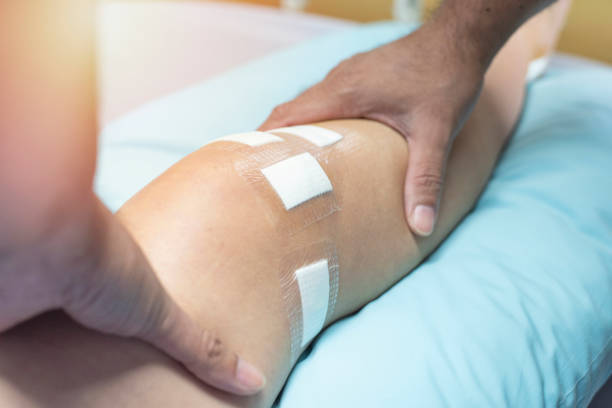
Why the Combination Matters More Than Either Alone
Many patients focus entirely on their prescribed exercises while underreating, or they eat well but stay too sedentary out of fear of pain. Both approaches leave results on the table.
Exercise signals the body to rebuild muscle and restore function. But without adequate nutrition, the body lacks the raw materials to act on that signal. Protein is the structural building block of muscle and connective tissue. Micronutrients like vitamin C and zinc are essential for wound healing. Calories provide the energy your body needs to repair itself — even at rest, a healing body burns significantly more energy than usual.
A 2021 review published in Nutrients found that post-operative patients who received targeted nutritional support alongside physiotherapy showed measurably better functional recovery outcomes compared to those who received physiotherapy alone. The synergy is well-documented and clinically meaningful.
What Should You Eat During Post Surgical Rehabilitation?
There is no single “recovery diet,” but the evidence consistently points to a few nutritional priorities that matter most in the weeks following surgery.
Protein: The Foundation of Tissue Repair
Protein directly supports muscle synthesis and wound healing. After surgery, your protein needs increase — most clinical guidelines suggest 1.2 to 1.5 grams of protein per kilogram of body weight per day during active recovery.
Good sources include:
- Eggs, chicken, fish, and lean red meat
- Tofu, tempeh, and legumes for plant-based options
- Greek yogurt and low-fat dairy
- Protein-enriched soups, especially for patients with reduced appetite post-surgery
Anti-Inflammatory Foods That Support a Healthy Recovery
Post-surgical inflammation is a natural part of healing. But when it persists or becomes excessive, it can delay tissue repair and increase pain — both of which slow down rehabilitation exercises.
To support a healthy recovery, focus on:
- Fatty fish like salmon and mackerel (rich in omega-3s)
- Leafy greens such as spinach and kale
- Berries, turmeric, and ginger
- Olive oil as a primary cooking fat
Equally important: reduce ultra-processed foods, excess sugar, and alcohol. These promote systemic inflammation and can directly counteract the benefits of your physiotherapy sessions.
Micronutrients You Should Not Overlook
Vitamin C supports collagen synthesis — critical after orthopedic or soft tissue procedures. Zinc plays a key role in immune function and wound closure. Vitamin D, which is commonly low among adults in Singapore, influences both bone density and muscle function. If your diet is limited post-surgery, speak with your physician about supplementation.
How Rehabilitation Exercises Activate Nutritional Benefits
Here is where the relationship becomes especially practical. Exercise is not just about restoring movement — it actively improves how your body uses the nutrients you consume.
Resistance and weight-bearing exercises stimulate muscle protein synthesis. This means the protein you eat is more effectively converted into new muscle tissue when it follows a physiotherapy session. Timing matters here: consuming a protein-rich meal or snack within one to two hours after exercise optimises this effect.
Progressive rehabilitation exercises also improve circulation, which delivers oxygen and nutrients to healing tissues more efficiently. Patients who remain too sedentary — even if they are eating well — often experience slower wound healing and greater muscle atrophy.
A Practical Weekly Framework: Nutrition and Movement Together
| Recovery Phase | Nutritional Focus | Movement Focus |
|---|---|---|
| Week 1–2 (Acute) | High protein, hydration, wound-healing micronutrients | Gentle range-of-motion, breathing exercises, light walking |
| Week 3–6 (Early Rehab) | Anti-inflammatory foods, sustained protein intake | Progressive strengthening, low-impact activity |
| Week 7+ (Active Recovery) | Balanced diet, increase caloric density if activity increases | Functional movement, sport-specific or work-specific training |
This is a general guide. Your physiotherapist and medical team will adjust both exercise progression and dietary needs based on the specific procedure, your baseline health, and how your body is responding.
The Role of Post Operative Physiotherapy in Singapore
Post operative physiotherapy in Singapore has evolved well beyond basic mobilisation. Leading clinics now take a more integrated approach — addressing not only movement deficits and pain management but also educating patients on the lifestyle factors, including nutrition, that directly influence outcomes.
For patients recovering from procedures such as knee replacements, rotator cuff repairs, spinal surgeries, or abdominal operations, the quality of physiotherapy guidance can be the difference between a full return to function and a prolonged, frustrating recovery.
Singapore’s clinical environment also offers an advantage: multidisciplinary teams where physiotherapists, surgeons, and dietitians can coordinate care. Patients who actively engage across these disciplines consistently report better and faster outcomes.
Common Mistakes That Slow Down Recovery
- Skipping meals due to reduced appetite — this deprives healing tissues of essential nutrients
- Avoiding all fats — healthy fats are anti-inflammatory and support cell repair
- Overdoing rest — prolonged inactivity accelerates muscle loss and joint stiffness
- Exercising without fuelling — going into physiotherapy sessions underfed reduces both performance and tissue adaptation
- Relying on supplements alone — whole foods deliver a broader nutrient profile that supplements cannot fully replicate
Post Surgery Nutrition: When to Seek Personalised Guidance
Not all surgeries are the same, and neither are all patients. Individuals with diabetes, renal conditions, or gastrointestinal issues may have specific dietary restrictions that affect post surgery nutrition planning. Elderly patients often have higher protein needs and lower appetite — a challenging combination.
If you are managing a complex medical history, working with a registered dietitian alongside your physiotherapy team is a practical step, not an optional one.
At Heartland Rehab, the physiotherapy team in Singapore supports patients through each stage of post surgical rehabilitation with structured, evidence-based programmes. The approach recognises that lasting recovery comes from more than exercise alone — it comes from understanding how your whole lifestyle, including what you eat, shapes the speed and quality of your healing.
Frequently Asked Questions
What should I eat immediately after surgery to support rehabilitation?
In the first days after surgery, prioritise protein-rich foods, vitamin C, and zinc to support wound healing. Stay well-hydrated and avoid ultra-processed foods that promote inflammation. Small, frequent meals often work better than large portions if your appetite is reduced post-surgery.
How soon can I start rehabilitation exercises after surgery?
The timeline depends on the type of procedure and your surgeon’s guidance. Many patients begin gentle range-of-motion or breathing exercises within 24 to 48 hours. A qualified physiotherapist will design a progressive plan that matches your recovery stage and individual capacity.
Does protein intake really make a difference in post surgical rehabilitation?
Yes. Protein directly supports muscle repair and tissue regeneration. Clinical evidence shows that adequate protein intake, particularly when timed around physiotherapy sessions, improves functional recovery outcomes. Aim for 1.2 to 1.5 grams per kilogram of body weight daily during active rehabilitation.
Can poor nutrition slow down physiotherapy progress?
Absolutely. If the body lacks sufficient nutrients, it cannot effectively rebuild muscle or repair connective tissue — regardless of how consistent your exercise routine is. Undernutrition is one of the most overlooked factors in delayed post-operative recovery among patients.
Is post operative physiotherapy in Singapore covered by insurance?
Coverage varies depending on your insurer and the specific plan. Many integrated shield plans in Singapore include outpatient physiotherapy benefits for post-operative care. Always confirm with your insurer and the clinic before beginning treatment to understand your entitlements fully.
How long does post surgical rehabilitation typically take?
Recovery duration varies widely — from a few weeks for minor procedures to six months or longer for major joint replacements or spinal surgeries. Consistent adherence to both rehabilitation exercises and nutritional support significantly influences how quickly and completely a patient returns to full function.