
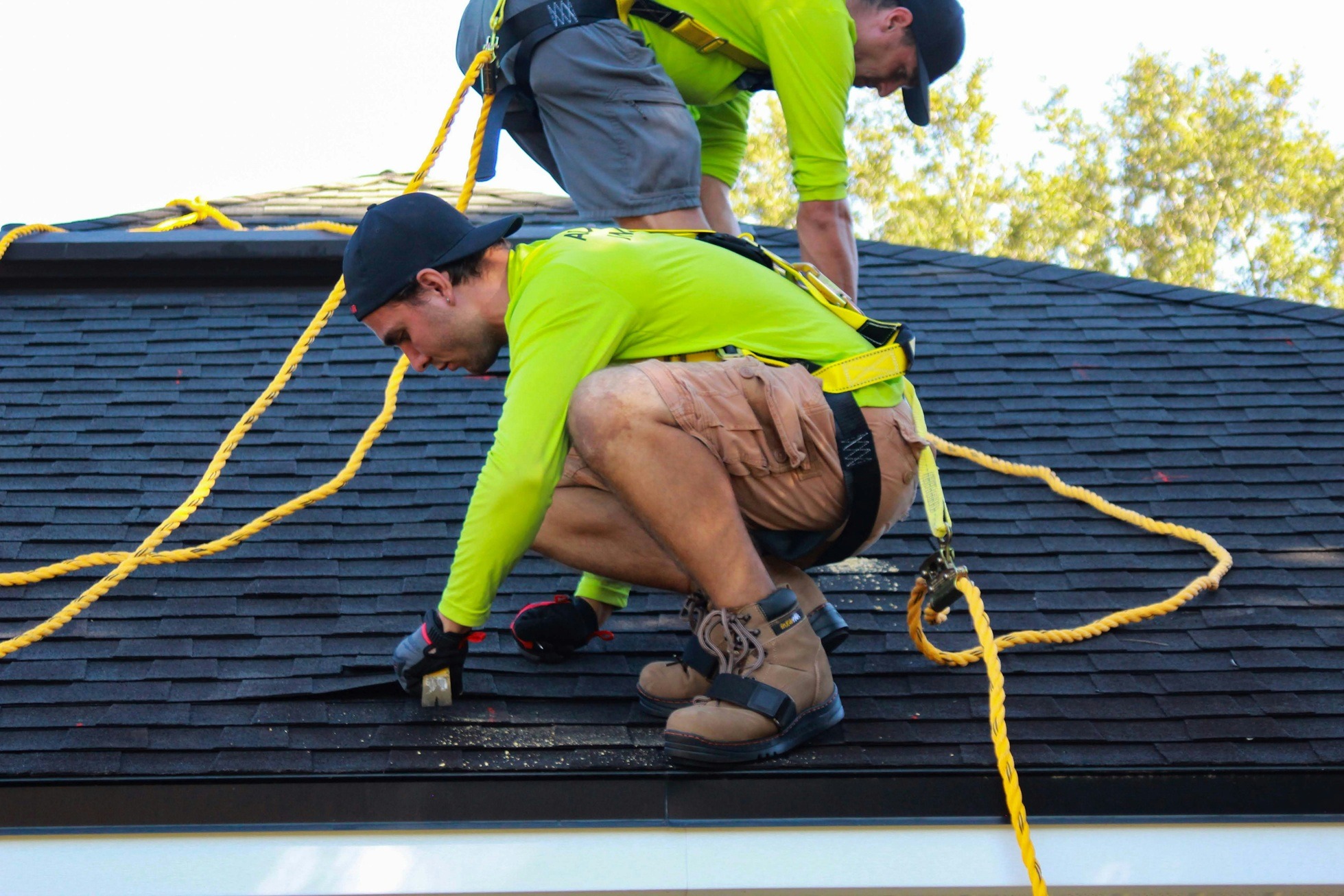
Northern Virginia homeowners experience all four seasons, and while that creates beautiful scenery throughout the year, it also puts constant stress on residential roofing systems. From heavy summer storms and high humidity to winter snow and freezing temperatures, roofs in areas like Herndon face unique environmental challenges that can shorten their lifespan if not properly maintained.
Understanding how local weather affects your roof year-round can help homeowners prevent expensive repairs, extend roof longevity, and protect their property investment. Whether you own an asphalt shingle roof, metal roof, or slate roofing system, climate conditions in Northern Virginia play a major role in your roof’s performance.
Winter Snow and Ice Can Cause Serious Roof Damage
Winter in Northern Virginia often brings freezing temperatures, snow accumulation, and ice storms. While snow may look harmless, prolonged buildup can create excess weight and moisture problems on your roofing system.
One of the most common cold-weather roofing issues is ice dams. Ice dams occur when snow melts on warmer portions of the roof and refreezes near the edges. This trapped water can seep under shingles and damage the roof deck, attic insulation, and ceilings.
Cold temperatures also cause roofing materials to contract. Over time, this expansion and contraction process weakens shingles, flashing, and sealants. Cracked shingles and damaged flashing can allow water infiltration during winter storms.
Homeowners in Northern Virginia should schedule roof inspections before winter begins to identify vulnerable areas and prevent seasonal damage.
Spring Rainstorms Expose Roofing Weaknesses
Spring weather in Northern Virginia often includes heavy rain, thunderstorms, and fluctuating temperatures. If a roof already has minor damage from winter, spring storms can quickly worsen the situation.
Water intrusion is one of the biggest roofing threats during spring. Missing shingles, clogged gutters, and damaged flashing can allow moisture to enter the roofing system. Once moisture becomes trapped, it can lead to mold growth, wood rot, and structural deterioration.
High winds during spring storms may also loosen shingles or blow debris onto the roof surface. Tree branches scraping against roofing materials can remove protective granules from asphalt shingles, reducing their effectiveness.
Routine roof maintenance during spring is essential for homeowners in Herndon and surrounding communities. Cleaning gutters, trimming overhanging branches, and checking for leaks can help prevent costly repairs later in the year.
Summer Heat and UV Rays Accelerate Roof Aging
Northern Virginia summers can be hot and humid, especially during July and August. Prolonged exposure to ultraviolet (UV) radiation and extreme heat can gradually weaken roofing materials.
Asphalt shingles are particularly vulnerable to heat-related wear. Intense sunlight dries out the oils within shingles, causing them to become brittle over time. This often leads to cracking, curling, and granule loss.
High attic temperatures can also impact roofing performance. Without proper ventilation, trapped heat increases moisture buildup and accelerates roof aging from the inside out. Poor ventilation may also raise indoor cooling costs during summer months.
Humidity creates another challenge for homeowners in Northern Virginia. Excess moisture in the air can contribute to algae growth, mildew, and moss formation on roofs. These organic growths not only affect curb appeal but may also shorten the lifespan of roofing materials.
Installing proper attic ventilation and scheduling regular roof inspections can help reduce heat-related roofing damage.
Fall Leaves and Debris Can Lead to Moisture Problems
Fall is one of the most overlooked seasons for roof maintenance in Northern Virginia. As trees shed leaves, gutters and downspouts can quickly become clogged.
Blocked gutters prevent proper water drainage, causing rainwater to back up onto the roof. Standing water increases the risk of leaks, wood rot, and foundation problems.
Leaves and debris trapped on the roof surface can also retain moisture for extended periods. This damp environment encourages mold growth and shingle deterioration.
Fall is an ideal time for homeowners to prepare their roofs for winter weather. Cleaning gutters, inspecting flashing, and repairing damaged shingles before temperatures drop can help avoid emergency roofing problems later.
Storm Damage Is Common Throughout Northern Virginia
Severe weather events are becoming increasingly common across Virginia. Strong winds, hailstorms, and heavy rain can cause sudden roofing damage that requires immediate attention.
Wind damage often lifts or removes shingles, exposing the roof deck beneath. Once protective layers are compromised, water infiltration becomes much more likely.
Hail can bruise shingles, crack tiles, and dent metal roofing panels. Even minor hail damage may weaken roofing materials and reduce long-term durability.
After severe storms, homeowners should inspect their roofs for:
- Missing or lifted shingles
- Granule accumulation in gutters
- Water stains on ceilings
- Damaged flashing
- Fallen tree limbs
- Dented gutters or vents
Professional roof inspections are highly recommended after major weather events in Northern Virginia.
Why Regular Roof Inspections Matter
Many roofing problems begin small and worsen over time. Because weather impacts roofs year-round, regular inspections are one of the best ways to protect your home.
Professional roofing contractors can identify hidden issues such as:
- Moisture infiltration
- Weak flashing
- Ventilation problems
- Shingle deterioration
- Structural concerns
Early detection helps homeowners avoid expensive repairs and premature roof replacement.
Experts typically recommend scheduling roof inspections:
- After major storms
- Before winter
- During spring maintenance
- When buying or selling a home
Routine maintenance can significantly extend the lifespan of roofing systems in Northern Virginia.
Choosing Weather-Resistant Roofing Materials
The climate in Herndon and surrounding Northern Virginia communities makes roofing material selection especially important.
Popular roofing options include:
- Asphalt shingles
- Metal roofing
- Slate roofing
- Synthetic shingles
Each material offers different benefits regarding durability, weather resistance, energy efficiency, and maintenance requirements.
For example, metal roofs perform exceptionally well during heavy storms and high temperatures, while architectural asphalt shingles provide affordability and reliable protection.
Homeowners should work with experienced roofing contractors who understand local climate conditions and building requirements.
Final Thoughts
Northern Virginia weather impacts roofs during every season. Snow, rain, humidity, heat, and storms all contribute to roofing wear and potential structural damage over time.
Homeowners in Herndon can protect their investment by scheduling regular roof inspections, addressing repairs quickly, and maintaining proper drainage and ventilation systems.
By understanding how seasonal weather affects roofing systems, homeowners can extend roof lifespan, improve energy efficiency, and avoid unexpected repair costs. Preventive maintenance today can save thousands of dollars in future roofing repairs and replacements.