
Property owners spend thousands on kitchen upgrades, fresh paint, and landscaping projects. Meanwhile, the trees standing on their land often go completely ignored until something breaks, falls, or dies.
This blind spot costs more than most people realize.
Trees aren’t just decorative features. They’re structural assets that directly influence property value, energy costs, insurance premiums, and even legal liability. When maintained properly, they add significant worth to real estate holdings. When neglected, they become expensive liabilities waiting to create problems.
Understanding how to manage these living assets separates informed property owners from those who learn expensive lessons the hard way.
The Real Financial Impact of Trees on Property Value
Research consistently shows that mature, healthy trees increase residential property values by 7% to 19%. For a $400,000 home, that translates to $28,000 to $76,000 in additional value simply from having well-maintained trees on the lot.
Commercial properties see similar benefits. Retail locations with tree-lined approaches report higher foot traffic and longer customer visits. Office parks with mature landscaping attract premium tenants willing to pay higher lease rates.
But these numbers only apply to healthy trees. Dead, diseased, or poorly maintained specimens create the opposite effect. Buyers and appraisers view problematic trees as future expenses, not assets. A large dead oak in the front yard doesn’t add character—it signals deferred maintenance and raises questions about what else the owner has neglected.
Warning Signs That Trees Are Becoming Liabilities
Most tree problems develop gradually, giving owners time to address issues before they escalate into emergencies or major expenses. Recognizing these warning signs early makes a significant financial difference.
Structural concerns include visible cracks in major limbs, bark splitting away from the trunk, and branches growing at sharp angles that create weak attachment points. These conditions worsen over time and increase failure risk during storms.
Health indicators such as premature leaf drop, discolored foliage, mushroom growth at the base, and excessive deadwood throughout the canopy suggest disease or decline. Sick trees rarely recover without intervention and often spread problems to neighboring specimens.
Location hazards matter as much as tree condition. Branches extending over rooflines, limbs touching power lines, and roots visibly lifting sidewalks or driveways all represent escalating risks. What seems like a minor encroachment today becomes structural damage or utility interruption tomorrow.
Property owners who notice these issues benefit from a professional assessment. Experienced South Jersey tree specialists and certified arborists throughout other regions can evaluate whether trees need treatment, pruning, or removal—and help owners understand the cost-benefit analysis of each option.
The Hidden Costs of Waiting Too Long
Procrastination with tree care follows a predictable pattern: small problems become big problems, and big problems become emergencies. Each stage costs exponentially more than the previous one.
A $300 pruning job that removes a weakened branch today prevents the $3,000 roof repair needed when that branch falls during a thunderstorm next year. The $1,500 removal of a declining tree avoids the $15,000 damage bill when it topples onto a neighbor’s fence, car, or worse.
Insurance adds another layer of financial risk. Most homeowner policies cover sudden tree damage, but many exclude damage from trees the owner knew were hazardous. If an arborist documented problems during a previous visit, or if the tree showed obvious signs of decline, insurers may deny claims entirely.
Municipal liability creates similar exposure. Property owners in most jurisdictions bear responsibility for trees that damage public sidewalks, injure pedestrians, or obstruct traffic. The legal and financial consequences of such incidents often dwarf the cost of preventive maintenance.
What Professional Tree Care Actually Involves
Many property owners avoid calling tree services because they don’t understand what these companies actually do—or they assume every call ends with an expensive removal recommendation.
In reality, professional arborists focus primarily on preservation. Removing a mature tree eliminates decades of growth and the associated property value benefits. Qualified professionals exhaust treatment and maintenance options before recommending removal.
Pruning remains the most common service. Strategic branch removal improves structure, reduces storm damage risk, eliminates hazards, and promotes long-term health. Proper pruning extends tree lifespan significantly while reducing future maintenance needs.
Cabling and bracing provide structural support for valuable trees with weak points. Rather than removing a beautiful specimen because of a split trunk or heavy limb, these systems redistribute stress and prevent failure.
Health treatments address disease, pest infestation, and nutritional deficiencies. Early intervention often saves trees that would otherwise decline and require removal within a few years.
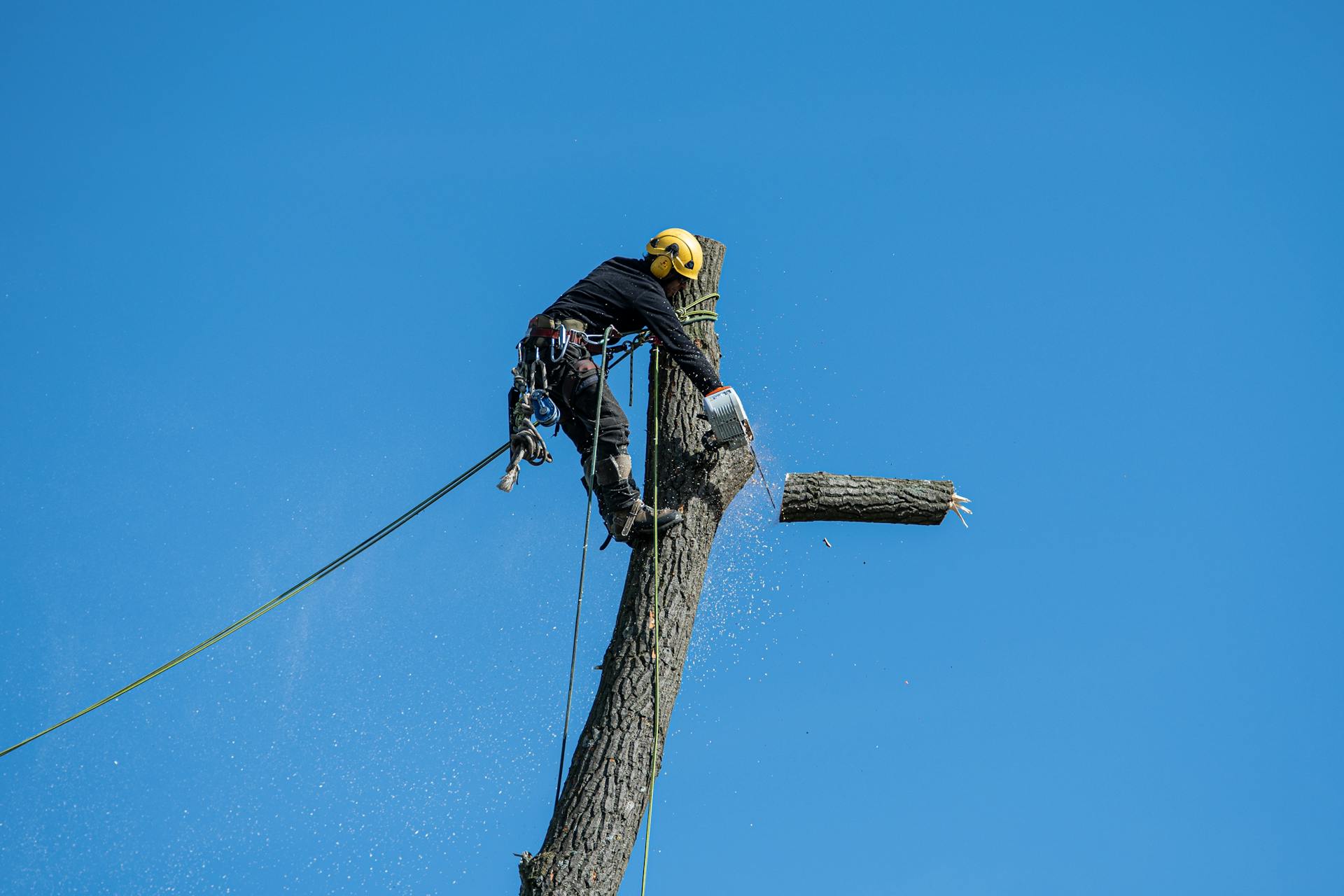
Removal becomes necessary when trees pose unacceptable risks or have deteriorated beyond recovery. Professional removal includes safe dismantling techniques that protect surrounding structures and complete debris cleanup.
Stump grinding eliminates tripping hazards, pest harborage, and regrowth potential after removal. Leaving stumps creates ongoing maintenance issues and detracts from property’s appearance.
Evaluating Tree Service Providers
The tree care industry includes both highly qualified professionals and unqualified operators who cause more problems than they solve. Distinguishing between them protects both property and investment.
Licensing requirements vary by state but provide baseline assurance of competency. In states with tree expert licensing programs, verify credentials before hiring. Unlicensed operators may lack the knowledge to work safely or the insurance to cover mistakes.
Insurance verification matters more with tree work than almost any other home service. General liability coverage protects against property damage. Workers’ compensation protects against injuries. Request certificates and verify coverage is current before work begins.
Industry certifications indicate commitment beyond minimum requirements. Membership in organizations like the International Society of Arboriculture demonstrates ongoing professional development and adherence to established standards.
Written estimates specifying exactly what work will be performed, what cleanup is included, and total cost protect both parties. Vague verbal agreements lead to disputes about scope and expectations.
References from recent work confirm the company delivers what it promises. Established businesses readily provide contact information for satisfied customers.
Creating a Tree Maintenance Strategy
Reactive tree care—waiting for problems before calling professionals—costs more and produces worse outcomes than proactive management. Smart property owners treat tree maintenance as scheduled investment rather than an emergency response.
Annual inspections identify developing issues before they become urgent. A qualified arborist walking the property once per year catches problems early when treatment options remain available and costs stay manageable.
Seasonal timing affects both tree health and service cost. Late winter and early spring typically offer the best conditions for major pruning work. Emergency storm season creates backlogs and premium pricing. Planning provides scheduling flexibility and often better rates.
Documentation of tree care protects against insurance disputes and supports property value claims. Maintaining records of professional assessments, completed work, and treatment plans demonstrates responsible ownership.
The Bottom Line for Property Owners
Trees represent long-term assets that require ongoing investment to maintain their value. Neglecting that investment doesn’t save money—it defers costs while allowing them to compound.
Property owners who understand this relationship approach tree care differently. They schedule regular assessments, address problems early, and view maintenance expenses as protection for larger investments. Their properties show the difference, both in appearance and in realized value when selling or refinancing.
The trees standing on your property today resulted from decades of growth. Whether they continue adding value or become expensive liabilities depends largely on the decisions you make now. Professional guidance helps ensure those decisions pay returns rather than create regrets.