

You may be surprised by how much power your sauna heater consumes during each session. Understanding its kilowatt rating and overall energy use helps you estimate your home sauna’s electricity costs with confidence. We’ll explain heating capacity, operating time, and the differences between electric and wood-burning heaters so that you can manage both energy use and expenses more effectively.
Understanding Sauna Electricity Usage
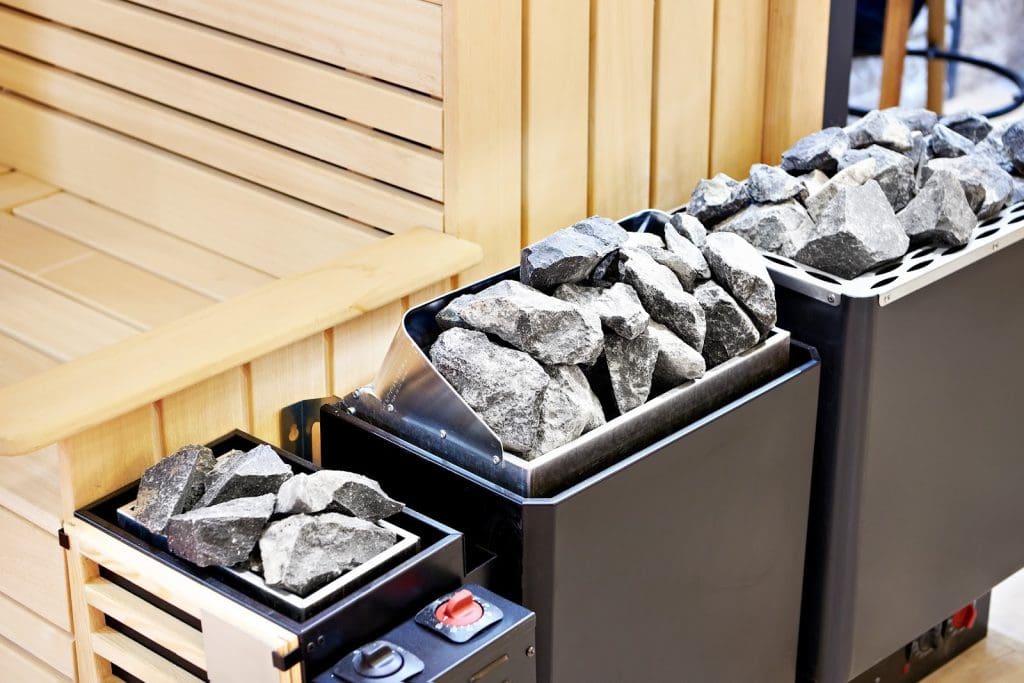
Let’s take a closer look at how sauna electrical systems actually work. Knowing how much power your sauna uses helps you avoid surprises on your electricity bill. It also guides you in planning the perfect sauna session.
Estimating Power Draw and Costs
To begin, it’s important to understand energy output, which indicates how much electricity a sauna heater consumes. This rating helps you estimate how much power your heater uses during each session and how it may impact your utility bills. Naturally, this leads to the question of how operating a sauna affects overall expenses.
Energy costs change based on where you live and who supplies your electricity, but they usually follow a common pricing range. When you run your sauna, the cost depends on both your heater’s power level and how long it operates. It can be unexpected for anyone who assumes sauna ownership always involves high expenses.
If you want to estimate your session costs, simply combine your heater’s power rating with your local electricity rate. This approach gives you a clearer understanding of your sauna’s ongoing energy expenses and helps you plan your usage more confidently.
Common Heater kW Sizes and Duty Cycles
Sauna heaters come in various sizes, typically ranging from 3 kW to 9 kW. The size you choose depends on your sauna’s size and insulation. Larger saunas need more power to heat effectively.
Duty cycle is another key concept. It refers to the time a heater is running at full power. A 50% duty cycle means the heater is actively heating for only half the session. This can lower costs significantly.
Smaller heaters, like a 3 kW unit, are ideal for compact saunas. They offer a cozy experience without excessive power use. Larger units, such as 8 kW, cater to bigger spaces, ensuring even heat distribution.
Electric vs. Wood Sauna Heaters
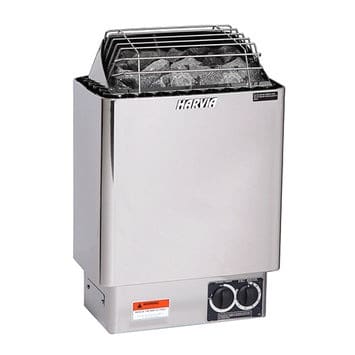
Choosing between electric and wood sauna heaters can feel like a big decision. Each has its own benefits and costs. Let’s look at which option is the right fit for your home.
Comparing Costs and Efficiency
Electric sauna heaters offer convenience. They heat quickly and maintain consistent temperatures. While wood heaters have a traditional charm, they require more work and upkeep.
In terms of cost, electric heaters might edge out wood. Wood heaters need a steady supply of logs, which can add up. Electric heaters, meanwhile, cost only what you pay per kWh. When considering long-term expenses, electric heaters often come out ahead.
Selecting the Right Heater for You
Selecting a sauna heater ultimately depends on your personal preferences. If you love the crackle of wood and a traditional sauna experience, a wood heater is your pick. They create a unique atmosphere that electric heaters can’t replicate.
If you’re looking for a hassle-free and efficient solution, an electric heater may suit you best. It offers precise control and is easy to operate. Whichever you choose, ensure it fits your sauna’s size and your lifestyle.
Tips for Lowering Sauna Operating Costs
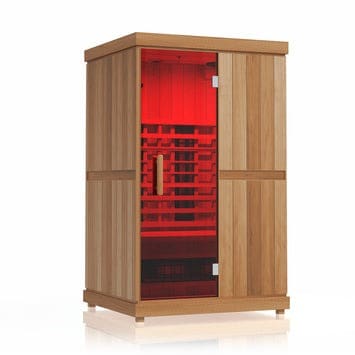
After selecting your heater, you may start thinking about ways to reduce operating expenses. With a few smart strategies, you can enjoy your sauna without worrying about high bills.
Smart Controls and Insulation Tips
Smart controls can make a big difference. These allow you to program your sauna to heat up just before your session, saving energy. Additionally, proper insulation reduces heat loss, meaning your heater doesn’t work overtime.
Consider using a timer to ensure the sauna isn’t running longer than needed. Insulating your sauna well can also cut down energy use. Consider it a protective layer that keeps the warmth contained.
Practical Advice for Energy Savings
Here’s the key insight: small changes add up. Try reducing session times slightly or lowering the temperature by a degree or two. These tweaks can significantly lower energy usage over time.
Also, regular maintenance keeps your heater running efficiently. Clean it periodically and replace stones when needed. This ensures your sauna remains a welcoming retreat without draining your wallet.
These tips will allow you to maximize comfort while minimizing expenses during your sauna sessions. Remember, your sauna journey is about finding balance between comfort, cost, and tradition.