
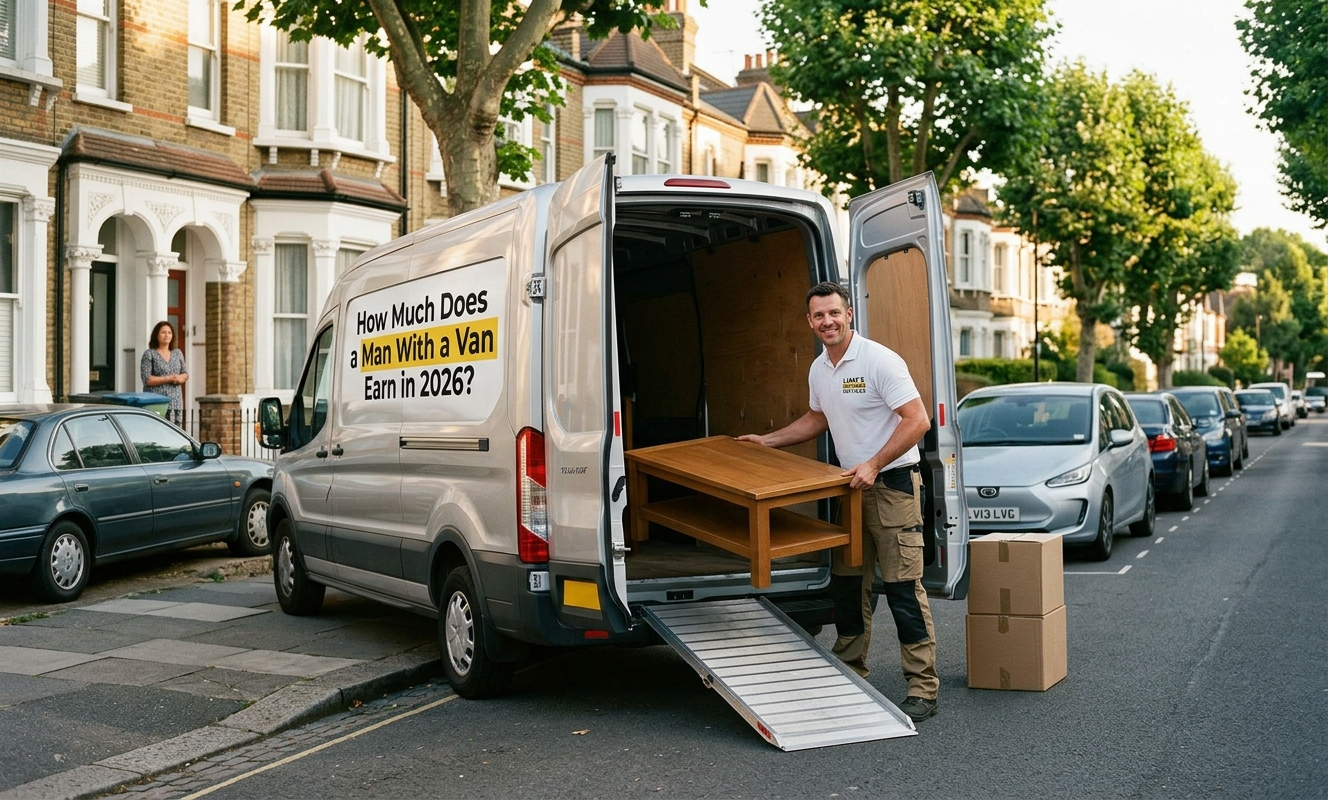
If you’re thinking about starting a man and van business or working as an independent delivery driver, one of the first questions that comes to mind is: how much can you actually earn?
The transport industry continues to offer strong opportunities across the UK. Demand for moving services, furniture deliveries, courier work, and HGV delivery services remains steady as more businesses and consumers rely on fast, flexible transport solutions.
The amount a man with a van earns in 2026 can vary widely. Some operators work part-time for extra income, while others run full-time businesses generating substantial annual profits. Earnings are influenced by factors such as location, the type of jobs completed, vehicle size, operating costs, and how effectively the business is managed.
This guide breaks down the income potential, key expenses, and practical ways to maximise profits in today’s transport market.
You can also explore Top Reasons to Book with the Best Umrah Travel Agency UK for helpful planning information
Contents
- What Does a Man With a Van Do?
- Average Earnings in 2026
- Factors That Impact Income
- Self-Employed vs Employed Drivers
- Which Services Pay the Most?
- Running Costs to Consider
- Ways to Increase Revenue
- Earnings by Region
- Industry Outlook for 2026 and Beyond
- FAQs
- Final Thoughts
What Does a Man With a Van Do?
A man with a van provides transport services for both private customers and businesses. The work is incredibly varied, which is one of the reasons many people are attracted to the industry.
Typical jobs include:
- House and flat removals
- Student moves
- Furniture collection and delivery
- Same-day courier work
- Office relocations
- Retail deliveries
- Parcel transportation
- Storage unit collections
- Commercial logistics support
Some operators run their own businesses and find customers directly, while others work through courier networks, removal companies, or logistics contractors.
Average Earnings for a Man With a Van in 2026
There isn’t a single figure that applies to everyone. Earnings depend heavily on workload, business structure, and local demand.
Estimated Annual Income
For self-employed operators, typical yearly earnings are:
| Experience Level | Approximate Annual Income |
|---|---|
| New Starter | £22,000 – £30,000 |
| Established Operator | £30,000 – £45,000 |
| Experienced Professional | £45,000 – £70,000+ |
Drivers who specialise in premium services or secure long-term commercial contracts can often exceed these figures.
Daily and Weekly Income
Many man and van businesses charge either hourly or job-based rates.
Typical income levels include:
- £20–£40 per hour
- £150–£350 per day
- £800–£2,000+ per week
The final profit depends on expenses such as fuel, maintenance, insurance, and vehicle financing.
What Affects a Man With a Van’s Earnings?
Not all operators earn the same amount. Several factors can significantly influence income.
Location Plays a Major Role
Areas with higher population density usually generate more work.
Cities such as:
- London
- Manchester
- Birmingham
- Leeds
often provide greater opportunities because of increased demand for removals, courier services, and business deliveries.
Drivers in busy urban areas can typically charge higher rates and secure more regular bookings.
Vehicle Size and Capacity
The type of van you operate can have a direct impact on earnings.
Common vehicle choices include:
- Small transit vans
- Medium panel vans
- Long-wheelbase vans
- Luton vans
Larger vehicles allow operators to take on bigger jobs and transport more items in a single trip, which often leads to higher charges.
Experience and Customer Reviews
Reputation matters.
Customers naturally prefer businesses with positive reviews and a track record of reliability. Operators known for punctuality and professionalism often benefit from:
- Repeat bookings
- Word-of-mouth referrals
- Business contracts
- Higher-value projects
Over time, a strong reputation can become one of the most valuable assets a transport business owns.
Self-Employed vs Employed Driver
Running Your Own Man and Van Business
Many drivers choose self-employment because it offers greater flexibility and earning potential.
Advantages include:
- Setting your own prices
- Choosing the jobs you accept
- Building a recognisable brand
- Expanding services over time
However, running a business also means managing expenses and administrative responsibilities.
You’ll need to cover costs such as:
- Insurance
- Fuel
- Repairs and servicing
- Advertising
- Vehicle payments
Working as an Employee
Employed van drivers receive a regular salary and often enjoy additional benefits.
These may include:
- Paid holidays
- Workplace pension schemes
- Consistent workload
- Reduced financial risk
In 2026, employed van drivers commonly earn between £24,000 and £38,000 per year, depending on experience and employer.
Which Transport Services Generate the Highest Income?
Some services offer stronger profit margins than others.
House Removals
Residential removals remain one of the most profitable areas of the industry.
Typical charges include:
- Small moves: £100–£300
- Medium moves: £300–£700
- Large house moves: £700–£1,500+
Weekends and summer months are often particularly busy.
Same-Day Courier Work
Businesses frequently require urgent deliveries that cannot wait for standard shipping schedules.
Benefits of courier work include:
- Fast job turnaround
- Regular commercial customers
- Consistent demand
Experienced drivers handling urgent deliveries can often earn more than £250 per day.
Furniture Delivery Services
Furniture transport continues to be a reliable source of work.
Common items include:
- Sofas
- Beds
- Dining sets
- Wardrobes
- Office furniture
These jobs usually involve careful handling and lifting, which allows providers to charge premium rates.
Commercial Logistics Support
Many businesses outsource transportation rather than maintaining their own vehicles.
Services can include:
- Retail stock deliveries
- Warehouse transfers
- Event logistics
- Inventory movement
Long-term business agreements often provide a stable and predictable income stream.
Essential Business Costs
Revenue is only one side of the equation. Understanding expenses is equally important.
Fuel Expenses
Fuel remains one of the largest ongoing costs for most operators.
Your fuel bill will depend on:
- Daily mileage
- Route efficiency
- Vehicle type
- Current fuel prices
Good route planning can make a noticeable difference to profitability.
Insurance
Appropriate insurance cover is vital for professional transport services.
Policies often include:
- Goods-in-transit insurance
- Public liability insurance
- Courier insurance
- Employer liability cover
Having the right protection not only safeguards the business but also reassures customers.
Maintenance and Repairs
Regular servicing helps prevent expensive breakdowns and keeps vehicles on the road.
Typical maintenance costs include:
- Tyres
- Brake replacement
- Oil and filter changes
- MOT testing
- General repairs
A reliable vehicle reduces downtime and protects your reputation.
Marketing Costs
Many successful operators invest in promoting their services.
Popular methods include:
- Professional websites
- Search engine optimisation (SEO)
- Local advertising campaigns
- Social media promotion
- Vehicle graphics and branding
Effective marketing often leads to more enquiries and a stronger flow of bookings.
Practical Ways to Increase Your Income
Growing a transport business isn’t always about working longer hours. Often, it’s about working smarter.
Build a Strong Online Presence
Many customers now search online before booking a service.
A professional website should clearly display:
- Services offered
- Customer testimonials
- Contact information
- Booking details
Local SEO can help your business appear in front of people actively searching for removal and delivery services nearby.
Offer Multiple Services
Relying on a single type of work can be risky.
Many successful operators combine:
- Home removals
- Office moves
- Courier deliveries
- Furniture transport
- Commercial logistics support
This approach helps maintain income throughout the year.
Prioritise Customer Service
Simple things make a difference.
Customers appreciate:
- On-time arrivals
- Friendly communication
- Transparent pricing
- Careful handling of belongings
A positive experience often leads to repeat business and referrals.
Secure Commercial Contracts
Business clients can provide regular work and greater financial stability.
Potential opportunities include:
- Retail stores
- Warehouses
- Estate agencies
- Construction firms
- Furniture retailers
Even a small number of recurring contracts can significantly increase annual revenue.
Earnings Across Different UK Regions
Income levels vary depending on location.
London and the South East
The highest rates are generally found in this region due to stronger demand and higher operating costs.
Typical annual earnings:
£40,000–£70,000+
Midlands
A strong market for removals and delivery services.
Typical annual earnings:
£30,000–£50,000
Northern England
Competitive but growing demand for courier and transport services.
Typical annual earnings:
£28,000–£45,000
Scotland and Wales
Income levels depend on local demand and service coverage.
Typical annual earnings:
£25,000–£45,000
Future Opportunities for Van Operators
The transport sector continues to evolve, creating new opportunities for independent operators.
Areas showing strong growth include:
- eCommerce deliveries
- Same-day courier services
- Local distribution networks
- Business relocation projects
- Environmentally focused transport solutions
As online retail expands and businesses look for flexible delivery options, demand for dependable van operators is expected to remain healthy for years to come.
Operators who invest in customer service, efficient route planning, modern technology, and diversified services are likely to achieve the strongest results.
Frequently Asked Questions
Is a man with a van business worth starting?
For many people, yes. A well-run operation with steady bookings can generate a respectable income and offer greater flexibility than traditional employment.
How much can a self-employed van driver make?
Many self-employed drivers earn between £30,000 and £70,000 or more each year, depending on workload, location, and business efficiency.
Do I need special insurance?
Yes. Most professional operators require commercial vehicle insurance and goods-in-transit cover.
Can I start with a single van?
Absolutely. Many successful transport businesses began with one vehicle before expanding their services and fleet.
Is demand increasing in 2026?
Yes. Growth in eCommerce, local delivery services, and residential moves continues to create opportunities across the UK transport market.
Final Thoughts
The earning potential for a man with a van in 2026 remains strong. Income can range from modest part-time earnings to a highly profitable full-time business, depending on the services offered and how effectively the operation is managed.
Location, vehicle type, customer demand, and business reputation all play a role in determining profitability. Operators who focus on reliability, customer satisfaction, and efficient cost management often see the best long-term results.
As transport and delivery requirements continue to grow, businesses increasingly depend on experienced operators backed by organised systems and dependable Haulage fleet support. For those prepared to build a professional service, the industry still offers excellent opportunities for growth and sustainable income.