
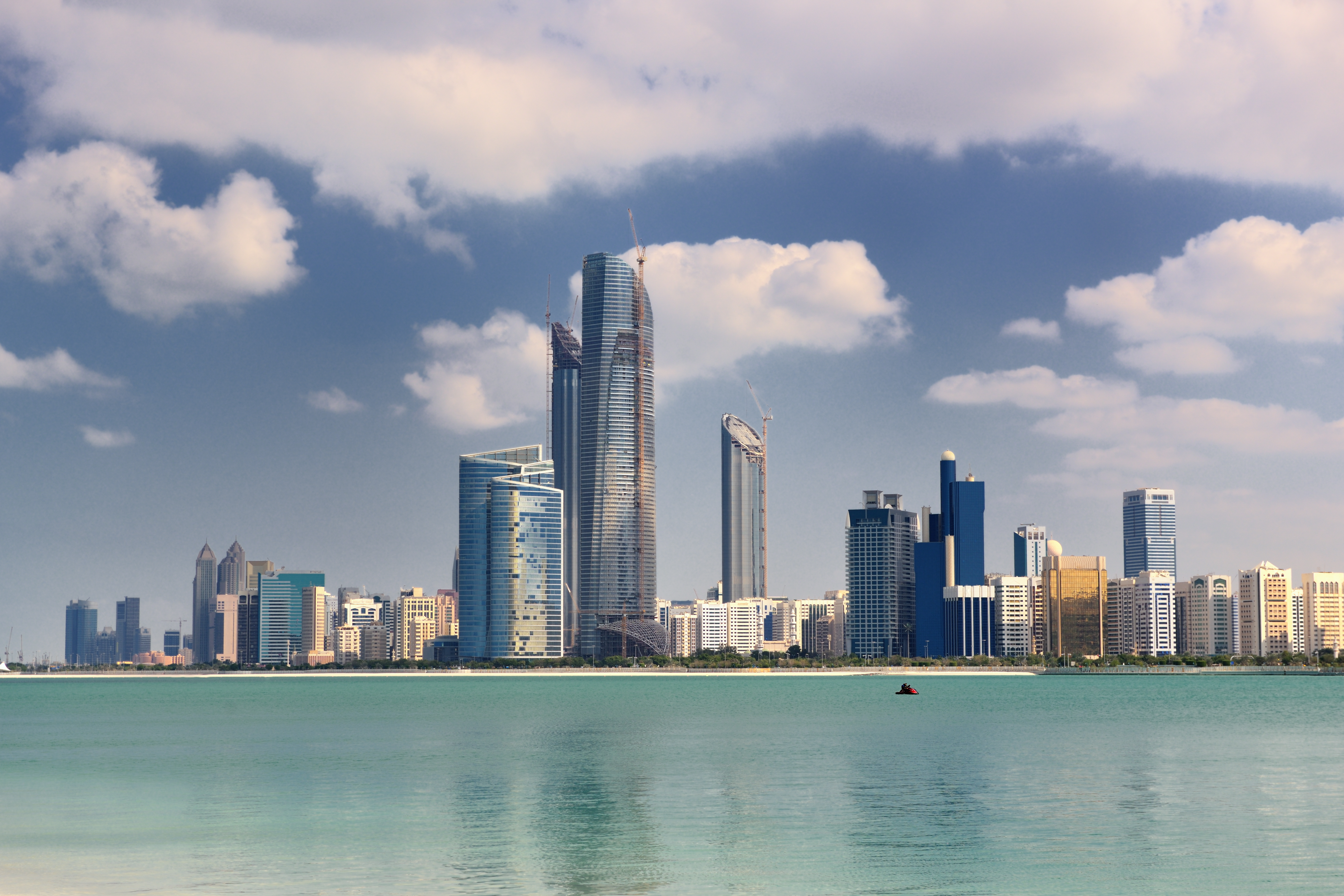
Abu Dhabi real estate pricing is strongly shaped by location and lifestyle amenities. Buyers and tenants do not pay only for square meters. They pay for commute reliability, waterfront access, community quality, and the everyday convenience of schools, retail, and healthcare. In Abu Dhabi, the biggest split is often island versus mainland, plus whether a home sits on or near the waterfront. These factors influence demand, rents, liquidity, and long-term capital value.
This article explains the main value drivers, how amenities translate into pricing, and what to watch in key Abu Dhabi districts.
Why “Location” Means Something Specific in Abu Dhabi
Location in Abu Dhabi is not just about distance to the city center. It often means:
- Island versus mainland, because bridges and access points shape commute times and traffic sensitivity
- Waterfront adjacency, because shoreline is scarce and often linked to premium master planning
- Proximity to major employment zones, including the CBD, government districts, Al Maryah Island, and industrial areas such as Mussafah and ICAD
- Access to major road corridors like E10 and E11, which affects daily travel friction and tenant reach
Because of these patterns, Abu Dhabi forms clear “value zones” in buyer perception:
- Prime waterfront and island master planned communities with curated amenities and higher design standards
- Established urban core areas with strong job access, but sometimes older buildings, noise, and parking constraints
- Emerging corridors where pricing can be lower, with upside tied to infrastructure and retail delivery
- Suburban villa districts where family needs and road connectivity drive value
Location Fundamentals That Move Prices and Rents
Connectivity and Commute Time Create an Accessibility Premium
Shorter, more reliable commutes typically widen the renter pool and raise willingness to pay. This affects both rents and sales prices because investors often price property based on expected rent and vacancy risk.
In practical terms, properties closer to major road links or with multiple exits from a district tend to hold demand better during peak traffic periods. Areas that are deep inside a neighborhood with limited access points can face congestion sensitivity, which may reduce tenant interest even if the unit quality is high.
Employment Proximity Supports Rental Depth
Neighborhoods that are convenient to offices and government entities often show stronger leasing depth, especially for apartments. This can reduce days on market and improve resale liquidity. For end users, the same logic applies because time spent commuting is a direct lifestyle cost.
Island, Waterfront, and View Effects
Abu Dhabi frequently prices island locations and waterfront access at a premium. Waterfront is not only about scenery. It often correlates with higher quality public realm, promenades, hospitality, and curated leisure infrastructure. Even within the same district, view and frontage matter. A direct sea view can command a higher price than an inland-facing unit in the same building.
Lifestyle Amenities and the Liveability Premium
Lifestyle amenities affect value because they reduce daily friction and increase the perceived quality of life. In a hot climate, indoor and connected retail can matter as much as outdoor walkability. Covered walkways, integrated podium retail, and close access to supermarkets and dining often support rent premiums for apartments.
Key amenity groups that influence value in Abu Dhabi include:
Retail, Dining, and Mixed-Use Activation
Destination retail and mixed-use hubs raise neighborhood appeal. Well-known examples include major malls and integrated districts where homes sit near offices, retail, and entertainment. Mixed-use planning can be especially supportive for rentals because tenants can work, shop, and socialize with less driving.
Parks, Beaches, Marinas, and Public Realm Quality
Beach access, marinas, promenades, and parks are linked to stronger lifestyle branding and higher-end positioning. This is a classic prestige driver that can lift capital values, not only rents. For investors, these amenities may lower vacancy risk because demand is steadier and the area remains desirable across market cycles.
Schools and Family Infrastructure
International schools are a primary decision factor for expatriate families. Districts within a practical drive time to reputable schools tend to perform well for villas and townhouses, stabilizing occupancy and improving resilience when the market softens. Family-led demand is often less speculative and more needs-based, which can reduce turnover and improve leasing consistency.
Healthcare Access and Daily Services
Hospitals and clinics matter more to end users, but they also improve a district’s overall attractiveness. Easy access to healthcare can widen the tenant pool to include families and older residents, supporting steady demand.
Cultural and Tourism Anchors
Major cultural assets and leisure destinations can lift neighborhood brand and support short stay appeal where permitted. In Abu Dhabi, culture and entertainment hubs can also increase investor interest in serviced apartments and flexible rental models, depending on regulations and licensing.
How Amenities Translate into Property Value: the Market Mechanics
Amenities influence pricing through clear mechanisms:
Amenity to Demand Driver to Rent Impact on Price Impact
A simple chain helps explain most pricing outcomes:
- An amenity improves convenience or prestige
- Demand increases from end users, tenants, or both
- Rents rise or stay resilient, and vacancy risk falls
- Sale prices increase because the income outlook and liquidity improve
Owner Occupier Versus Investor Drivers
Owner occupiers typically pay more for lifestyle certainty: proven communities, good layouts, and mature amenities. Investors focus on rent, occupancy stability, and resale depth. In prime lifestyle districts, headline yields may look lower because prices are higher, but effective yields can remain attractive if vacancy is low and leasing is fast.
Liquidity and Days on Market
Amenity-rich areas often show stronger resale depth. Buyers prefer predictable communities with clear demand. This can reduce negotiation discounts and improve transaction velocity.
Service Charges and Maintenance can Cap Premiums
High-quality buildings with pools, gyms, and good maintenance typically command rent premiums. However, high service charges can reduce net affordability, limiting how much buyers will pay. Value is often the balance between lifestyle appeal and recurring costs.
Supply Pipeline and Delivery Risk
New supply can dilute scarcity and temper price growth in the short term. Amenities increase value unless heavy completions create strong competition. This is especially relevant in emerging corridors where pricing upside depends on whether planned retail, schools, and transport improvements actually deliver on schedule.
Regulation, Tenure, and Financing Effects
Value is also shaped by:
- Ownership structure, such as freehold, leasehold, or other tenure models, which affects buyer eligibility and demand depth
- Mortgage availability and interest rate conditions, which influence affordability and how large the buyer pool is
- Short-term rental rules, which can increase investor appetite in leisure and tourism-linked areas if licensing is clear and enforcement is predictable
Because rules and eligibility can differ by designated investment zones, buyers often prefer locations with clearer demand from both residents and investors.
Abu Dhabi Case Study Districts: How Different Amenity Mixes Shape Value
Saadiyat Island
Saadiyat is often associated with culture, beach access, and premium positioning. The combination of coastal lifestyle and cultural anchors supports a strong brand effect. This typically translates into higher capital values and steady demand for both villas and apartments, especially for buyers who prioritize prestige and curated community design.
Yas Island
Yas is driven by entertainment, retail, and leisure infrastructure. This mix attracts families and investors looking for an active lifestyle positioning. The district’s broad appeal can support strong occupancy, including demand tied to tourism and events, subject to rental regulations.
Al Reem Island and Al Maryah Island
These areas are known for high-rise living and proximity to key commercial zones. Access to business districts and major retail improves rental depth, particularly for apartments. Demand is often rent-led, making pricing sensitive to supply and building quality differences.
Al Raha Beach
Waterfront residential combined with corridor connectivity and proximity to the airport supports both lifestyle and commute value. This creates a blended premium: leisure appeal plus practical access.
Khalifa City and Mohammed Bin Zayed City
These mainland villa districts are family-oriented. Value is closely linked to plot size, road access, and closeness to schools and daily services. These areas can appeal to end users seeking space and stability rather than waterfront branding.
Outer Corridors such as Al Ghadeer
Lower entry pricing can attract budget-focused buyers and commuters, including those who travel between Abu Dhabi and Dubai. Upside depends on amenity maturation and infrastructure follow-through, so timelines and delivery quality matter.
What is changing now: Trends Shaping Future Pricing
Several Abu Dhabi-specific trends are influencing how buyers value location and amenities:
- Stronger demand for integrated mixed-use communities and 15-minute living
- Sustainability and wellness features are becoming value differentiators, especially in newer master plans
- Infrastructure expansion and mega project spillovers that can re-rate nearby districts when access improves
- Growth in tourism and the cultural economy, which can lift prime leisure-linked areas
Practical Takeaways for Buyers and Investors
To evaluate a neighborhood, the most useful questions are direct:
- How reliable is the commute to work zones, and how close is access to E10 and E11 corridors?
- Is the area an island or the mainland, and does it offer true waterfront access or just proximity?
- Are retail, parks, beaches, and community facilities mature today, or still planned?
- For family buyers, how many reputable schools and clinics are within a realistic drive time?
- What are the service charges and the building’s maintenance track record?
- How much competing supply is expected to be delivered in the next 12 to 36 months?
Buyers who want added confidence should also review the developer’s community track record and delivery quality. For those comparing projects, a useful starting point is to consult a reputable property developer in Abu Dhabi and compare how each community internalizes amenities, manages maintenance, and sustains long-term livability.
Key Factors That Drive Property Value in Abu Dhabi
In Abu Dhabi, property value is shaped by a consistent logic: location and amenities influence demand, demand influences rent resilience and liquidity, and those factors drive prices. Island versus mainland positioning, waterfront scarcity, road connectivity, and the depth of lifestyle infrastructure create clear segmentation across districts. The strongest performers are typically communities that reduce daily friction, offer mature amenities, and maintain quality over time, while managing costs and supply risk.