
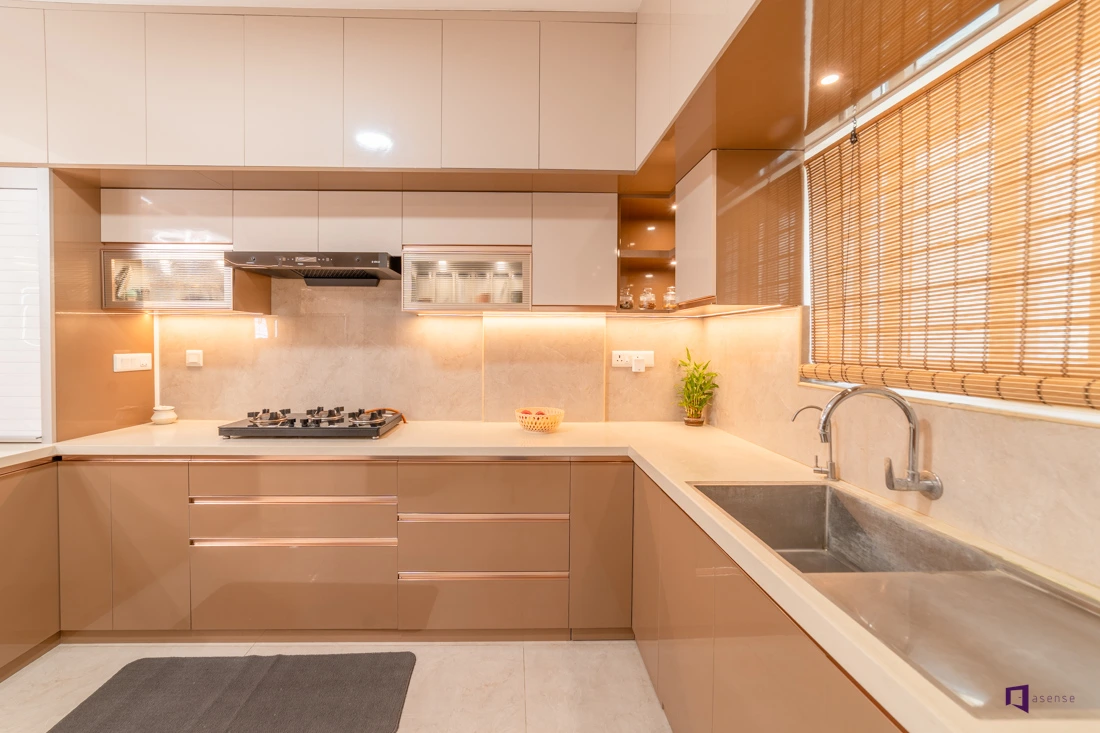
The kitchen is the most used room in any home. It takes heat, grease, steam, water, and daily foot traffic. Every surface in it faces constant challenge. Kitchen tiles sit at the intersection of design and raw performance. According to the Housing Industry Association of Australia, kitchen renovations represent 35% of all home improvement spending. That is the biggest single category. Within that budget, tile selection consistently ranks as a top-three decision. The right tile does not just look good. It survives a decade of cooking without showing it.
Why Do Kitchens Demand More from Tiles?
A kitchen tile faces things a bathroom tile does not. Oil splatters penetrate porous surfaces and stain permanently. High heat from cooktops and ovens creates thermal stress near range zones. Steam from boiling water cycles tile adhesive through expansion and contraction daily. This is why kitchen tiles need a water absorption rate under 3% and a surface hardness that resists scoring from dropped utensils. PEI rating, which stands for Porcelain Enamel Institute, measures surface wear. A PEI 3 rating handles moderate foot traffic. Kitchen floors need at least PEI 4.
What Makes the Splashback Zone So Important?
The splashback is the most visible tile surface in a kitchen. It runs from benchtop to overhead cabinet, usually 600mm in height. It absorbs the most punishment from cooking. Grease settles into matte surfaces. Polished or glazed tiles are easier to wipe clean in this zone. Full-slab porcelain splashbacks in 900x900mm or 1200x600mm formats are trending because they eliminate grout lines entirely behind the cooktop. No grout means no trap for oil and food residue. That is a practical win that also looks sharp.
Does Tile Colour Actually Affect a Kitchen’s Feel?
Research from the Colour Association of Australia confirms that warm neutrals increase perceived warmth in kitchen spaces. Tiles in warm whites, off-white, and cream tones make a kitchen feel inviting without competing with cabinetry. Cool greys, which dominated from 2015 to 2022, are receding. Terrazzo-look tiles in warm stone with organic speckling are now one of the fastest-growing kitchen tile categories in Australia. They hide minor splashes between cleans, which is a real-world advantage no cold grey tile offers.
How Do You Pick the Right Tile for Kitchen Floors?
Kitchen floors need a coefficient of friction above 0.6 when wet, as per AS 4586. That rules out polished stone and high-gloss porcelain for floor use. Matte-finish porcelain with a micro-texture hits this mark while still looking refined. Format-wise, 600x600mm is the benchmark for open-plan kitchen floors because it scales well without looking oversized. In galley-style or compact kitchens, 300x600mm laid in a brick pattern keeps proportions balanced. Using a tile that is too large for the room makes the floor look disjointed, not dramatic.
Are Handmade Tiles Worth the Premium?
Handmade tiles carry price premiums of 40% to 120% over machine-made equivalents. The variation in surface and edge is intentional. Each tile is slightly different. In a kitchen, that variation reads as artisanal quality, not defect. They work best in smaller format splashbacks where the handcraft is visible up close. They are not ideal for large floor installations because size variation creates levelling challenges. If you are tiling a 3m splashback with handmade subway tiles, budget for 15% wastage instead of the standard 10%. The irregular edges require more cuts.
What Grout Colour Strategy Works in Kitchens?
In kitchens, light grout in the cooking zone is a maintenance decision you will regret. It yellows from cooking oils within 6 to 18 months regardless of sealing. Mid-tone grout in grey or taupe is the smart default for splashbacks near the cooktop. On kitchen floors, matching grout to the tile creates a unified look that reads as cleaner and larger. Contrasting grout on floors creates visual grids, which show every piece of dirt. For most kitchens, that is not the effect you want. Save the contrast for feature walls or display areas.
How Does Tile Choice Affect Resale Value?
A 2023 CoreLogic analysis of Australian property sales found that updated kitchens with quality tile work added between 3% and 7% to median sale prices. That translates to real money in Sydney and Melbourne markets. Buyers respond to kitchens that look maintained and considered. Cracked tiles, dated colour choices, and heavily stained grout are among the top three visual negatives identified in pre-sale styling audits. Spending $3,000 on a tile refresh before listing a property routinely returns $15,000 to $25,000 in added sale price. The tile math makes sense.
