
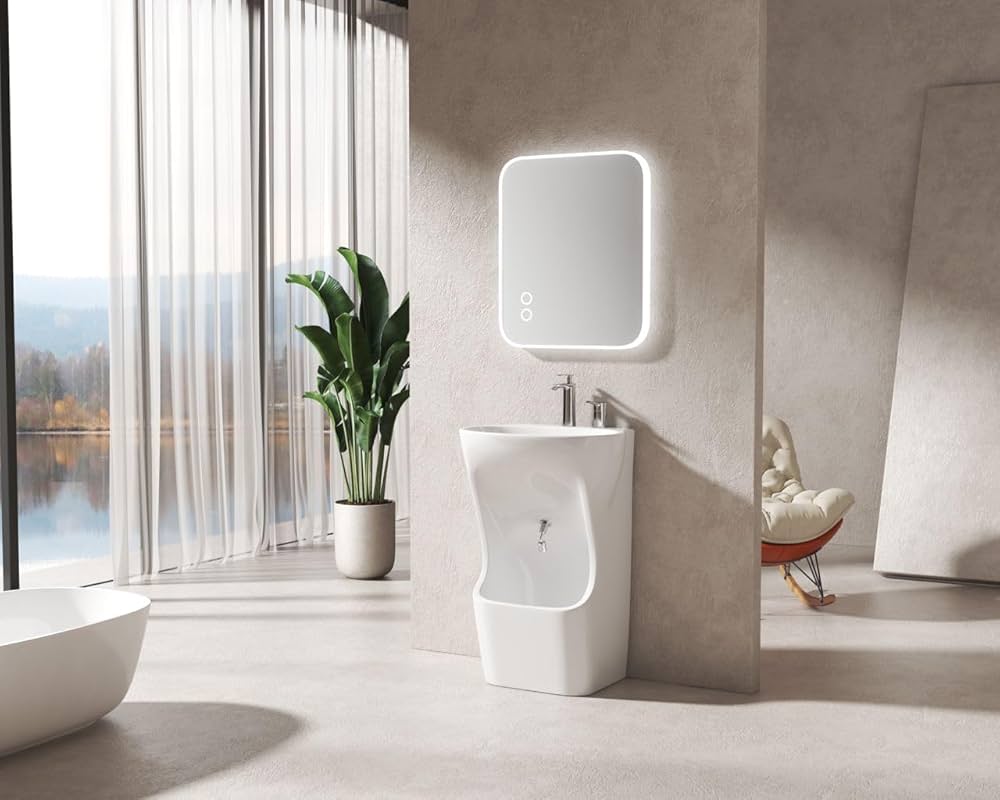
Modern mosque architecture is evolving rapidly, with greater emphasis on hygiene, user comfort, and long-term durability. Ablution areas, in particular, are being redesigned to handle higher foot traffic while maintaining a clean and visually appealing environment. As mosques expand and modernize, the need for high-performance materials and thoughtfully engineered fixtures has become more important than ever.
In this context, the integration of advanced surface materials and efficient design has transformed ablution spaces into more sustainable and user-friendly environments. A key example is the growing use of the Wudu Sink from KingKonree Solid Surface, which is designed to combine durability, hygiene, and modern aesthetics in a single solution for contemporary mosque facilities.
The Importance of Durable Materials in Ablution Areas
Ablution areas experience constant exposure to water, soap, and frequent use throughout the day. This makes durability a critical requirement for any installed fixture. Weak or porous materials tend to degrade quickly, leading to maintenance issues, hygiene concerns, and increased operational costs.
Modern solid surface materials offer a strong alternative by providing resistance to moisture, stains, and wear. These surfaces are engineered to withstand continuous use while maintaining structural integrity and visual consistency.
Key durability benefits include:
- Resistance to water absorption and swelling
- High impact resistance for heavy daily use
- Long-lasting surface stability under humidity
- Reduced risk of cracks and material degradation
These properties make solid surface sinks highly suitable for high-traffic mosque environments where reliability is essential.
Hygiene Performance and Easy Maintenance
Hygiene is a central concern in ablution design, as users perform washing rituals multiple times a day. Surfaces that are difficult to clean or prone to bacterial buildup can quickly become problematic in shared religious spaces.
Solid surface Wudu sinks are designed with smooth, non-porous finishes that prevent dirt and bacteria from penetrating the material. This makes cleaning more efficient and reduces long-term maintenance requirements.
Hygiene advantages include:
- Seamless surfaces that reduce dirt accumulation
- Easy cleaning with minimal chemical usage
- Reduced risk of mold and bacterial growth
- Improved sanitation in high-use environments
These features ensure that mosque administrators can maintain high hygiene standards with less effort and lower maintenance costs.
Modern Aesthetic Design in Mosque Architecture
In addition to functionality, modern mosque design places increasing importance on visual harmony and architectural elegance. Ablution areas are no longer treated as purely functional spaces; they are now integrated into the overall design language of the mosque.
Solid surface wudu sinks offer a clean, minimalist appearance that aligns well with contemporary architectural trends. Their smooth finishes and customizable designs allow them to blend seamlessly with both traditional and modern mosque interiors.
Aesthetic advantages include:
- Sleek and uniform surface appearance
- Customizable shapes and configurations
- Integration with modern architectural themes
- Enhanced visual consistency across ablution areas
This combination of simplicity and elegance helps create a more welcoming and visually cohesive worship environment.
Engineering Efficiency and Functional Design
Behind their aesthetic appeal, modern wudu sinks are also engineered for high efficiency. Proper water flow management, ergonomic design, and optimized spacing are essential to ensuring smooth user experience during peak prayer times.
Well-designed ablution systems help reduce congestion and improve overall usability, especially in large congregational mosques. Functional design considerations also include drainage efficiency and splash control to maintain dry and safe flooring.
Key functional features include:
- Controlled water flow for reduced wastage
- Efficient drainage systems to prevent pooling
- Ergonomic height and spacing for user comfort
- Splash-resistant design for cleaner surroundings
These features ensure that the system performs reliably under continuous daily use.
Supporting Global Export and Market Demand
The demand for modern mosque infrastructure continues to grow across regions such as the Middle East, Southeast Asia, and Africa. As construction projects expand, developers are seeking durable, hygienic, and aesthetically advanced solutions for ablution facilities.
Products like solid surface wudu sinks are increasingly attractive to international buyers due to their long service life and low maintenance requirements. For exporters and B2B platforms, this creates strong opportunities to target architectural firms, contractors, and government-backed religious infrastructure projects.
Effective strategies for global market expansion include:
- SEO-driven marketing targeting mosque construction and sanitary fixtures
- Digital campaigns focused on architects and procurement specialists
- Participation in international building and Islamic architecture expos
- Partnerships with export/import platforms and distributors
By highlighting durability and modern design as core selling points, businesses can strengthen their positioning in competitive global markets.
Conclusion
Modern mosque infrastructure demands a balance between durability, hygiene, and visual appeal. Solid surface wudu sinks offer an effective solution by combining long-lasting performance with contemporary aesthetics, making them ideal for high-traffic ablution areas.
As global demand for advanced mosque facilities continues to rise, products that integrate engineering efficiency with modern design will play a key role in shaping the future of religious architecture. Manufacturers and exporters who focus on innovation and quality will be best positioned to capitalize on this growing international market.