
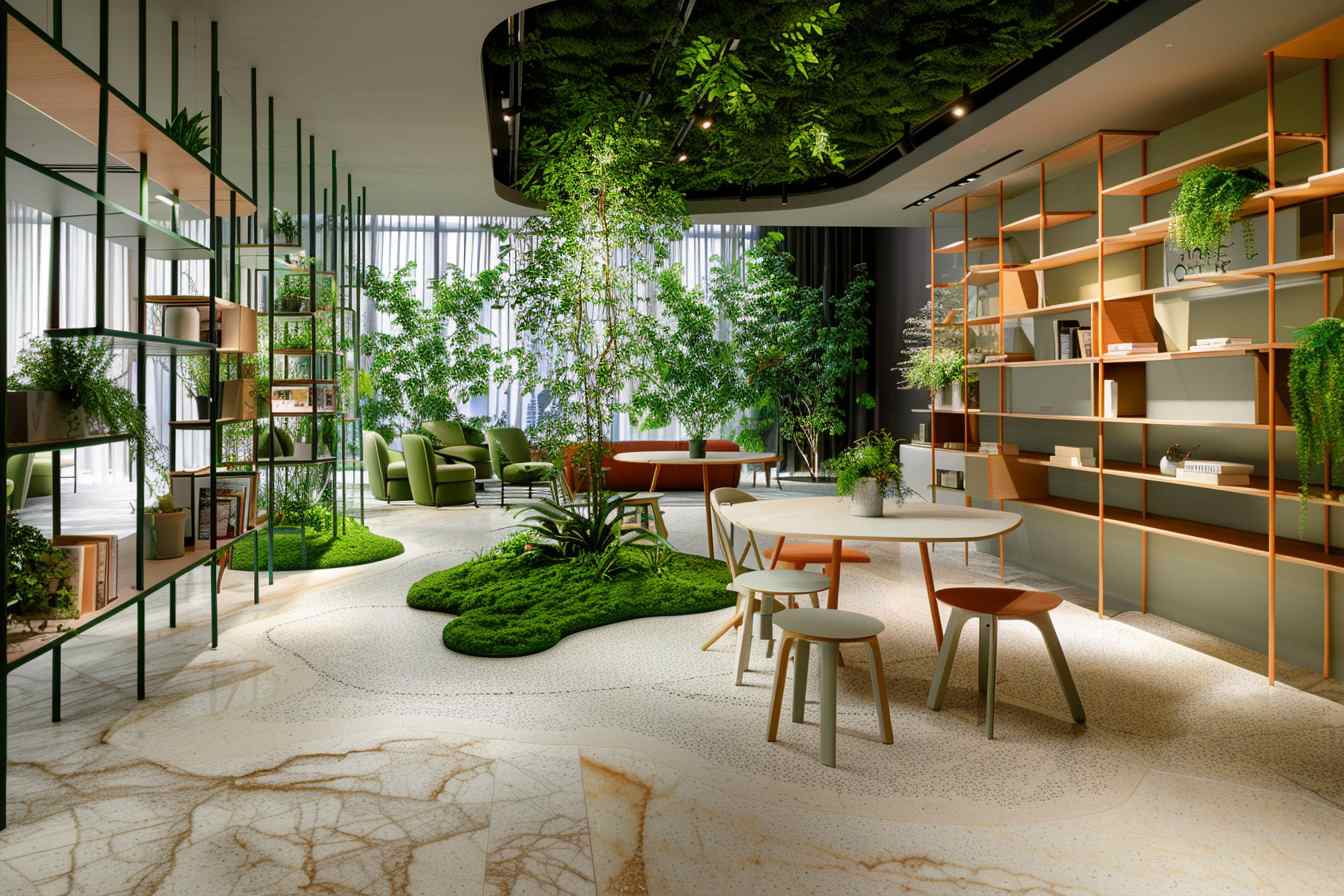
Creating a sustainable workspace that is both productive and environmentally friendly is a top priority for businesses in the UK. The choices you make in your office design will not only impact your team’s well-being but also send a signal to the world that your company really is serious about its environmental responsibility and achieving sustainability goals. Companies like D & G Office Interiors are at the forefront of this movement, showing how a thoughtful approach to interior design can help build a truly sustainable office space. By focusing on the basics like energy efficiency, natural light, and the use of sustainable materials, you can start to make your ecological footprint a lot smaller and create office areas that contribute to a more sustainable future.
This guide takes a closer look at the key elements of sustainable office design. You’ll learn how material selection, paying attention to air quality, waste reduction, energy use, and biophilic design can all come together to turn your office space into an eco-friendly workspace that puts employee well-being and environmental impact front and centre.
The Foundation: Choosing Sustainable Materials
Choosing eco-friendly materials for your furniture and finishes is the foundation of minimising environmental impact and building a reputation as an environmentally conscious organisation. By picking items with a low carbon footprint and made from renewable energy sources, you’re setting yourself up for a future-proof and responsible workspace.
Furniture Made From Recycled or Upcycled Materials
We don’t have to always go for the newest things in a sustainable office space. Look for furniture and fixtures made from recycled materials or upcycled from your existing space. Many manufacturers now offer products made from recycled plastics, metal, and reclaimed wood. This kind of circular economy approach is definitely worth exploring. This approach will cut down on waste and reduce your reliance on new natural resources, which is just what we need. When you’re choosing materials, be sure to ask your suppliers about their eco-friendly practices, such as end-of-life take-back schemes and commitments to recycling and reducing single-use plastics.
Low-Carbon and Responsibly Sourced Materials
When you do need to buy new materials, look for products with FSC certification or those that use other responsibly managed or renewable resources like bamboo. Locally sourced materials, including stone and natural materials like reclaimed wood, can cut down on carbon emissions from transportation straight away. Using eco-friendly materials is a great way to show your company cares about the environment and might even give your brand a boost as an advocate for environmental stewardship.
Non-Toxic and VOC-Free Finishes
When it comes to finishes, carpets, and paints, steer clear of those that contain a lot of VOCs; this will improve indoor air quality and make your workspace safer and healthier. Good air quality is key to employee well-being and can even reduce symptoms like headaches or fatigue that come from being in poor indoor air quality.
Creating a Sustainable Workspace: The Energy Efficiency Way
Every sustainable workplace should be looking to cut back on energy consumption. By cleverly designing your office, you can help your team save energy, slash operational costs, and meet ESG strategy targets.
Making the Most of Natural Light
Get the most out of natural light whenever possible, put your desks and meeting rooms near windows, and use open-plan layouts to let sunlight flow throughout your office area. Not only will this cut down on artificial lighting and energy consumption, but it’ll also create a healthier and more pleasant work environment. Use lighter wall and floor colours to amplify light, and reduce your reliance on electric lighting even further.
Installing Energy-Efficient Lighting
Swapping old fittings out for LED lighting is a simple yet highly effective step to boost efficiency. Replacing older fittings with energy-star-rated appliances like LED bulbs and smart systems with motion sensors and dimmers will ensure you only use energy when you really need it. This will reduce both your overall energy use and maintenance demands, helping to create a smaller carbon footprint.
Making the Most of Insulation and Temperature Control
Good insulation, heavy curtains, and properly zoned heating and cooling will all help to make your business more energy efficient by reducing the need for heating and cooling. And, if possible, consider investing in renewable energy technologies like solar panels or air source heat pumps as part of a complete approach to building a more sustainable office.
Reducing Waste and Making a Sustainable Workspace Work
Reducing waste is key to creating an eco-friendly office. That’s why designing for waste reduction is such an essential part of environmentally conscious office design.
Creating Centralised Recycling Stations
Set up dedicated recycling stations for plastics, paper, glass, and organic waste so your workplace can easily recycle and reduce what goes to landfill. Clear signage at communal collection points will support eco-friendly practices and encourage employee engagement, which will all help to enhance your overall environmental performance.
Promoting a Paperless Environment
Switching to digital collaboration tools, ditching paper-based brainstorming for interactive whiteboards, and providing multiple monitors will help you reduce your reliance on paper and cut waste from your business operations. By making this shift, you’ll not only free up space but also create a cleaner, more sustainable office space.
Embracing Biophilic Design: Creating a Greener Office Space
Letting in a bit of nature can really help people relax and feel better in their workspace. But biophilic design is about more than just making your office look pretty; it’s about actually making a connection to the natural world while you’re at work and embracing sustainability in the process.
Bringing a Little Bit of the Outdoors Inside
Make your office feel more like the great outdoors with some potted plants, a living wall, or a mini indoor garden. Not only do plants help clean the air, but they also seem to put people’s minds at ease and make them happier. And that makes for a much more welcoming and lively work environment.
Getting Comfortable with Natural Textures and Patterns
Think about adding some wooden floors, a stone wall, or some organic fabrics to the mix. And why not choose a colour palette that’s a bit more inspired by nature? It’s a great way to create a calm and soothing atmosphere, and it shows that you’re serious about the environment, too.
Conclusion
If you really want to create a sustainable workspace, you need to think carefully about how you design your office and how you can cut back on your impact on the planet. Start by focusing on using sustainable materials, letting in as much natural light as you can, and making your office as energy-efficient as possible. And don’t forget to get your team involved in making eco-friendly choices, and to push for changes that’ll make your workspace even greener. Not only will these changes help you hit your targets, but they’ll also make your office a nicer place to work, build your company’s reputation for looking after the planet, and have a positive impact on the world outside your office. So what are you waiting for? Think about what you can do in your current space; every little bit helps, and it’s a great way to prove your commitment to taking care of the planet.