

Introduction
Sticking with a meditation practice sounds simple in theory. Find a quiet space, sit comfortably, and dedicate a few minutes each day to mindfulness. Yet for many people, consistency becomes the biggest challenge. Life gets busy, distractions increase, and even well-intentioned routines slowly fade out.
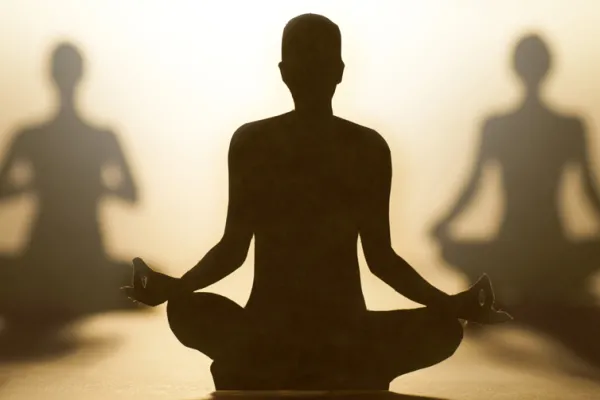
This is where the idea of group meditation has been gaining attention. Instead of relying entirely on self-discipline, many people are now choosing to practice mindfulness alongside others. Whether through local circles, wellness sessions, or a modern group meditation app, shared practice is becoming a quiet but noticeable shift in how people build habits.
Group meditation works because it introduces accountability without pressure. You are not being evaluated or measured. You are simply showing up in the presence of others doing the same thing. That subtle difference often makes consistency feel more natural and less forced.
In simple terms, group meditation creates structure through connection, helping people stay engaged without turning mindfulness into another obligation.
Why Group Meditation Is Easier to Maintain
One of the main reasons people struggle with meditation alone is that it depends entirely on internal motivation. Group settings change that dynamic by adding gentle external support.
The Power of Shared Routines
When meditation is practiced in a group setting, it becomes easier to stay consistent because it is no longer just a personal plan—it becomes a shared rhythm.
Some key reasons include:
- Regular sessions create predictable habits that are easier to follow
- Knowing others will attend increases motivation to show up
- Shared timing reduces the tendency to delay or postpone practice
- Group structure helps turn meditation into a weekly anchor point
- The experience feels more meaningful when it is collectively practiced
Accountability Without Pressure
Unlike goal-driven environments, group meditation does not rely on competition or performance. There is no expectation to “do it right.”
Instead, accountability shows up in softer ways:
- People attend because others are also showing up
- The environment feels supportive rather than judgmental
- Missing a session does not create guilt or shame
- Returning feels easy because the group dynamic is welcoming
This balance is why many people find meditating together more sustainable than practicing alone.
A Natural Sense of Belonging
Even silence can feel shared. Sitting in a room with others creates a subtle sense of connection that many people do not expect from meditation.
That sense of belonging often becomes the reason people continue long-term.
The Social Benefits of Meditating With Others
While meditation is often seen as an individual practice, the social layer beneath it plays an important role in consistency and emotional comfort.
Shared Presence Builds Connection
Group meditation allows people to feel connected without needing conversation or social performance.
Some commonly reported experiences include:
- Feeling less isolated during stressful periods
- Developing quiet familiarity with regular participants
- Gaining emotional encouragement through shared presence
- Feeling part of something stable and grounding
- Experiencing motivation through community energy
Learning Through Common Experience
Everyone struggles with meditation at some point. Restlessness, distraction, or inconsistency are universal experiences.
In group settings:
- Participants realize they are not alone in these challenges
- Beginners feel more comfortable continuing
- Experienced practitioners often share helpful insights
- The practice feels more forgiving and human
Research from the National Center for Complementary and Integrative Health NCCIH suggests that mindfulness practices may support overall well-being for some individuals, especially when practiced consistently in supportive environments:
Reducing Isolation Through Shared Practice
Modern life is highly connected digitally, yet many people still report feeling socially distant. The U.S. Surgeon General’s advisory highlights how important real human connection is for well-being:
Group meditation offers a simple way to rebuild that connection in a calm, low-pressure environment.
How Technology Can Bring People Together Offline
Although screens are often associated with distraction, technology can also help people move back into real-world interaction when designed thoughtfully.
Finding Real-World Meditation Spaces
Many people want to meditate but do not know where to begin. Digital tools can help bridge that gap by connecting intention with opportunity.
Examples include:
- Locating nearby meditation sessions and wellness circles
- Discovering community-based mindfulness events
- Searching for meditation groups near me in local areas
- Connecting with others interested in shared mindfulness practice
- Exploring in-person meditation opportunities without complexity
Supporting Real Mindfulness Communities
A growing mindfulness community is forming around the idea that technology should support real-life connection, not replace it.
Helpful features often include:
- Local event discovery tools
- Small group coordination features
- Community-based wellness recommendations
- Offline meetup organization
- Shared practice scheduling
For people looking to participate in small local meditation gatherings, Pinealage is one example of a group meditation app designed to help individuals connect with others nearby and participate in in-person meditation experiences.
Technology as a Bridge, Not a Destination
The most effective wellness tools are often the ones that quietly encourage people to step away from screens.
When technology supports real human connection, it becomes less about usage and more about transition—from digital awareness to physical presence.
Harvard Health also notes that strong social relationships are associated with improved overall well-being and life satisfaction:
The Future of Community-Based Mindfulness
As modern life becomes faster and more digitally saturated, many people are seeking ways to slow down that still feel socially connected. Group meditation offers a simple but powerful answer.
It brings together structure, community, and shared stillness in a way that supports long-term consistency without pressure. Unlike rigid systems that rely on discipline alone, group practice encourages participation through presence and connection.
Technology will likely continue playing a role, but its value will depend on whether it helps people step into real-world experiences rather than deeper screen engagement.
In the end, group meditation is not about doing more. It is about doing something simple together. And in that shared simplicity, many people find it easier to stay consistent, more connected, and more grounded in their practice.