
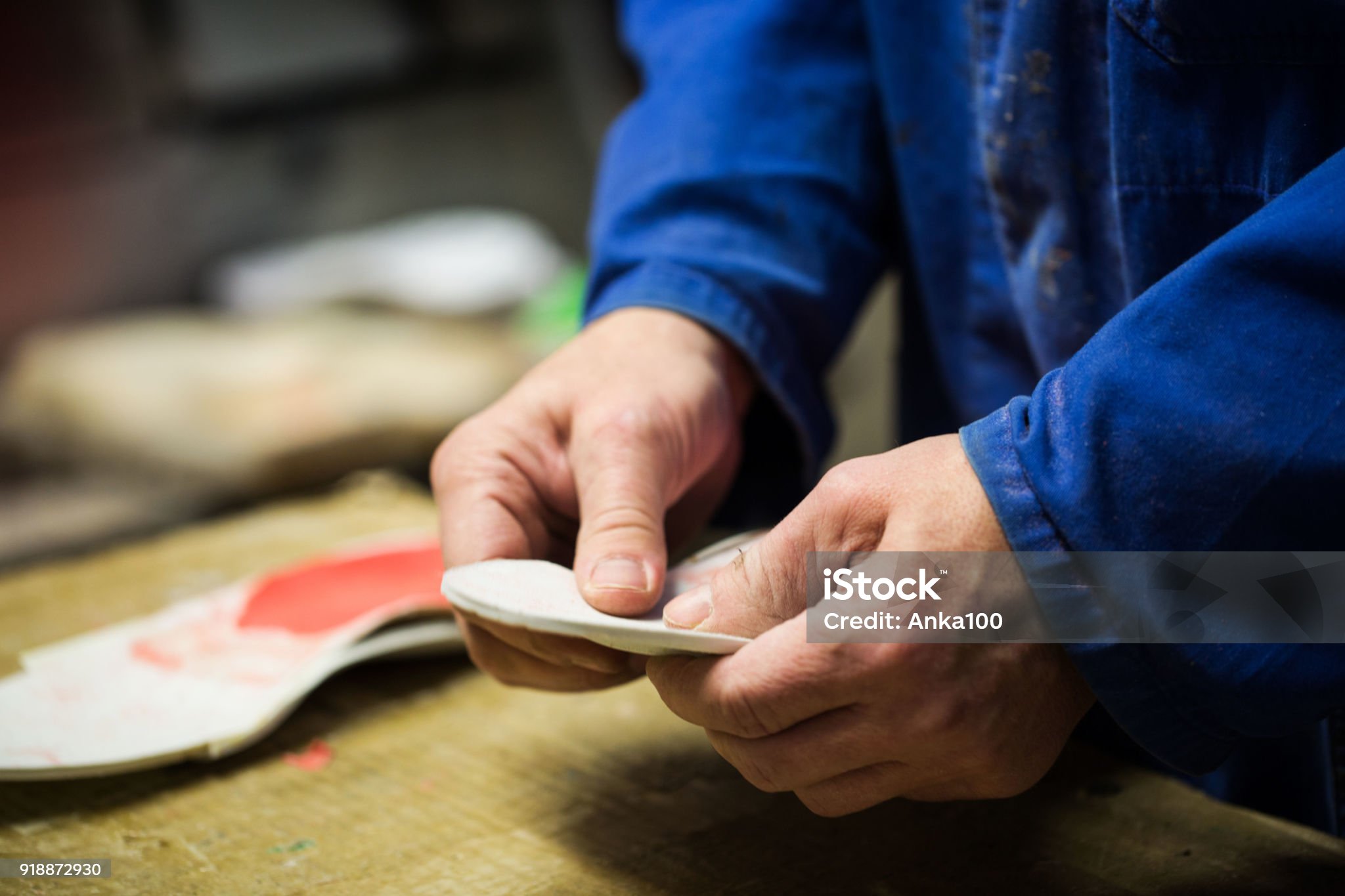
Foot discomfort is easy to dismiss when it first appears. A person may notice mild soreness after work, fatigue during a long walk, or pressure beneath the heel when exercising. However, when these symptoms continue, they can begin to influence much more than the feet.
Standing becomes tiring, commuting feels less comfortable and recreational activities may gradually be avoided. For people whose jobs involve long periods of walking or standing, persistent foot discomfort can even affect concentration and productivity.
Appropriate footwear, activity modification and exercise may be enough to manage some mild problems. In other cases, a professional assessment may identify a reason to consider custom orthotics as one part of a broader care plan.
Why Foot Health Matters in Everyday Life
The feet provide a base of support whenever a person stands, walks or runs. They also experience repeated pressure throughout the day.
This load may be particularly noticeable for people who work in:
- Healthcare
- Retail
- Construction
- Education
- Warehousing
- Hospitality
- Personal services
- Delivery and transportation
Office-based employees can also develop discomfort, especially when they suddenly increase their walking, return to exercise, or wear shoes that are poorly suited to their feet.
Foot pain may change how a person moves. Someone may shorten their stride, shift weight away from a sensitive area or avoid putting pressure through one side. Although these changes may initially reduce discomfort, they can sometimes place additional demand on other areas of the body.
This does not mean that every foot problem requires specialist treatment. It does mean that recurring symptoms should not automatically be ignored.
What Are Custom Orthotics?
Custom orthotics are devices designed to sit inside a person’s footwear. They are made using information collected during an individual assessment rather than being selected only according to shoe size.
Depending on the person’s needs, an orthotic may be designed to:
- Redistribute pressure across the foot
- Cushion a sensitive area
- Support a specific part of the foot
- Accommodate structural differences
- Improve comfort during standing or walking
- Help manage symptoms associated with certain foot and lower-limb conditions
The materials and design can vary. Some devices are firmer, while others provide additional cushioning. Some may be suitable for everyday shoes, while others are designed for work boots or athletic footwear.
Orthotics and braces are recognized as possible adjunctive therapeutic procedures within the scope of chiropractic practice in British Columbia. However, any recommendation should be based on an individual assessment and clinical need rather than a one-size-fits-all approach.
Custom Orthotics Versus Standard Insoles
Standard insoles are widely available from pharmacies, shoe shops and online retailers. They can provide additional cushioning and may be sufficient for people experiencing mild or temporary discomfort.
Their advantages include:
- Lower cost
- Immediate availability
- A range of cushioning options
- Easy replacement
- Compatibility with many types of footwear
Custom orthotics are generally considered when a more individualized approach is required. This may be because symptoms are persistent, pressure needs to be relieved from a particular location, or a clinician has identified a specific functional concern.
A custom device should be based on more than a digital scan alone. The clinician should also consider the person’s symptoms, medical history, daily activities, footwear, and movement.
The most expensive option is not automatically the most appropriate. Some people may benefit from a standard insole, while others may require a customized device or a different form of care entirely.
Signs That an Assessment May Be Helpful
Occasional foot fatigue after an unusually active day is common. An assessment may be more appropriate when discomfort becomes frequent, begins affecting normal activities or continues despite basic self-care.
Concerns that may warrant further evaluation include:
Persistent heel pain
Heel pain can make the first few steps after rest uncomfortable and may worsen with prolonged standing or walking.
Several conditions can cause symptoms around the heel. For this reason, it is important to establish the likely source of the pain rather than assuming that every case requires the same insert or exercise.
Pain beneath the ball of the foot
The forefoot absorbs considerable pressure during walking and running. Pain in this area may be associated with increased activity, footwear, pressure distribution or several different clinical conditions.
An orthotic may sometimes be designed to reduce pressure beneath a sensitive area. However, unexplained pain, numbness or burning should be properly assessed.
Arch fatigue
Some people experience aching through the arch after standing for long periods. This may be influenced by foot structure, footwear, activity levels or the strength and endurance of the surrounding muscles.
Supportive devices may improve comfort for selected individuals, although exercise and footwear changes may also be important.
Discomfort associated with flat feet
Having low arches does not necessarily indicate a problem. Many people have flat feet without pain or functional limitations.
Treatment is generally more relevant when the person has symptoms, difficulty with particular activities or persistent fatigue. The objective is to address a specific concern rather than change the appearance of an otherwise comfortable foot.
Uneven footwear wear
Shoes often wear down over time, and some unevenness is normal. Pronounced or rapidly developing wear patterns may provide useful information during an assessment, particularly when they occur alongside pain.
People attending an appointment may therefore find it useful to bring a pair of frequently worn shoes.
What Happens During an Orthotic Assessment?
A comprehensive assessment normally starts with a discussion of the symptoms.
The clinician may ask:
- Where is the pain located?
- When did it begin?
- Was there a specific injury?
- Which activities aggravate it?
- What type of work does the person perform?
- Which sports or exercises are involved?
- What footwear is normally worn?
- Have previous insoles or treatments been tried?
The physical portion may involve examining the feet, ankles and lower limbs. The clinician may assess movement, strength, balance, sensitive areas and the way the person stands or walks.
Some clinics also use 3D foot scanning or pressure-analysis technology. These tools can provide measurements that assist with the design and manufacturing process. However, technology should complement clinical judgment rather than replace it.
People seeking information about orthotic assessment, custom devices and 3D foot scanning in Vancouver can visit https://nwrehab.ca/orthotics/.
Northwest Rehab Group is a multidisciplinary rehabilitation clinic in Mount Pleasant, Vancouver. Its services include custom orthotics alongside physiotherapy, massage therapy, acupuncture, naturopathic medicine and chiropractic manual therapy.
Orthotics Are Usually Only One Part of Care
A custom device may improve comfort, but it does not address every factor that contributes to foot or lower-limb symptoms.
Depending on the assessment findings, a wider plan may include:
- Foot and ankle strengthening
- Calf exercises
- Gradual changes to activity levels
- Temporary modification of aggravating activities
- Advice on work or sports footwear
- Mobility exercises
- Balance training
- Manual therapy where appropriate
- Referral to another healthcare professional
This broader approach is particularly important when symptoms developed after a sudden increase in running, walking or work demands.
For example, an employee who begins working longer shifts on a hard surface may need to consider footwear, breaks and workload alongside any orthotic recommendation. Similarly, a runner increasing weekly distance may need gradual training adjustments rather than relying solely on an insert.
Footwear Can Influence the Result
A custom orthotic needs to fit properly inside the intended shoe. A device that works well in a roomy running shoe may not fit comfortably in a narrow formal shoe.
Appropriate footwear should generally:
- Provide enough room for the toes
- Hold the heel securely
- Have sufficient depth for the orthotic
- Avoid creating pressure over sensitive areas
- Be suitable for the intended activity
In some shoes, the original removable insole may need to be taken out before the orthotic is inserted. Otherwise, the additional layers can reduce space and make the shoe uncomfortably tight.
Bringing work shoes, athletic footwear, or commonly worn everyday shoes to an assessment can help the clinician recommend a practical design.
Adjusting to New Orthotics
A new pair of orthotics may feel unfamiliar initially. Some people are advised to begin by wearing them for shorter periods and gradually increase use.
The introduction schedule may depend on:
- The orthotic design
- The person’s symptoms
- The type of footwear
- The intended activity
- Previous experience with supportive devices
Mild awareness of a new support may occur, but persistent or increasing pain should not be ignored.
A follow-up appointment may be appropriate if:
- A new pressure point develops
- The device moves inside the shoe
- The orthotic feels excessively firm
- The footwear no longer fits correctly
- Symptoms become worse
- The expected improvement does not occur
Adjustments are sometimes part of the process, even when the device was made using individual measurements.
Checking Insurance Requirements
Many extended health benefit plans offer some level of coverage for custom orthotics. However, the rules differ between providers and policies.
Before arranging an assessment, the patient should ask their insurer:
- Whether custom orthotics are included
- What portion of the cost is covered
- Whether a prescription is required
- Which healthcare professionals may prescribe or dispense the device
- What documents need to accompany the claim
- How often replacement orthotics are covered
It is important that insurance documentation accurately reflects the service and product provided. Professional guidance for British Columbia chiropractors requires claims and supporting documents to be truthful and accurate.
When Orthotics May Not Be the Immediate Answer
Orthotics should not be treated as a universal solution to pain.
Further medical assessment may be needed when symptoms involve:
- A significant recent injury
- An inability to bear weight
- Severe or rapidly increasing swelling
- Redness or unusual warmth
- Persistent numbness
- Muscle weakness
- An open wound
- Sudden unexplained pain
- Signs of infection
People with diabetes, reduced circulation, or decreased sensation in the feet should also seek appropriate professional guidance before experimenting with insoles.
A responsible clinician should recognize when a concern falls outside their professional role and recommend further investigation or referral when necessary. The professional standards governing chiropractors in British Columbia specifically require practitioners to recognize their limitations and recommend other opinions or services when indicated.
Supporting Comfort and Long-Term Mobility
Foot comfort can influence work, exercise, travel and participation in everyday activities. When symptoms begin limiting these areas, an individualized assessment may help clarify the cause and identify suitable options.
For some people, custom orthotics may help redistribute pressure or improve comfort. For others, changes to footwear, exercise, activity levels or rehabilitation may be more appropriate.
The most effective plan is usually one based on the person’s actual symptoms and goals rather than a generic assumption about how their feet should look or move.
Custom orthotics can be a useful tool, but they tend to work best when they form part of a practical strategy that considers footwear, physical capacity, activity demands and long-term self-management.