
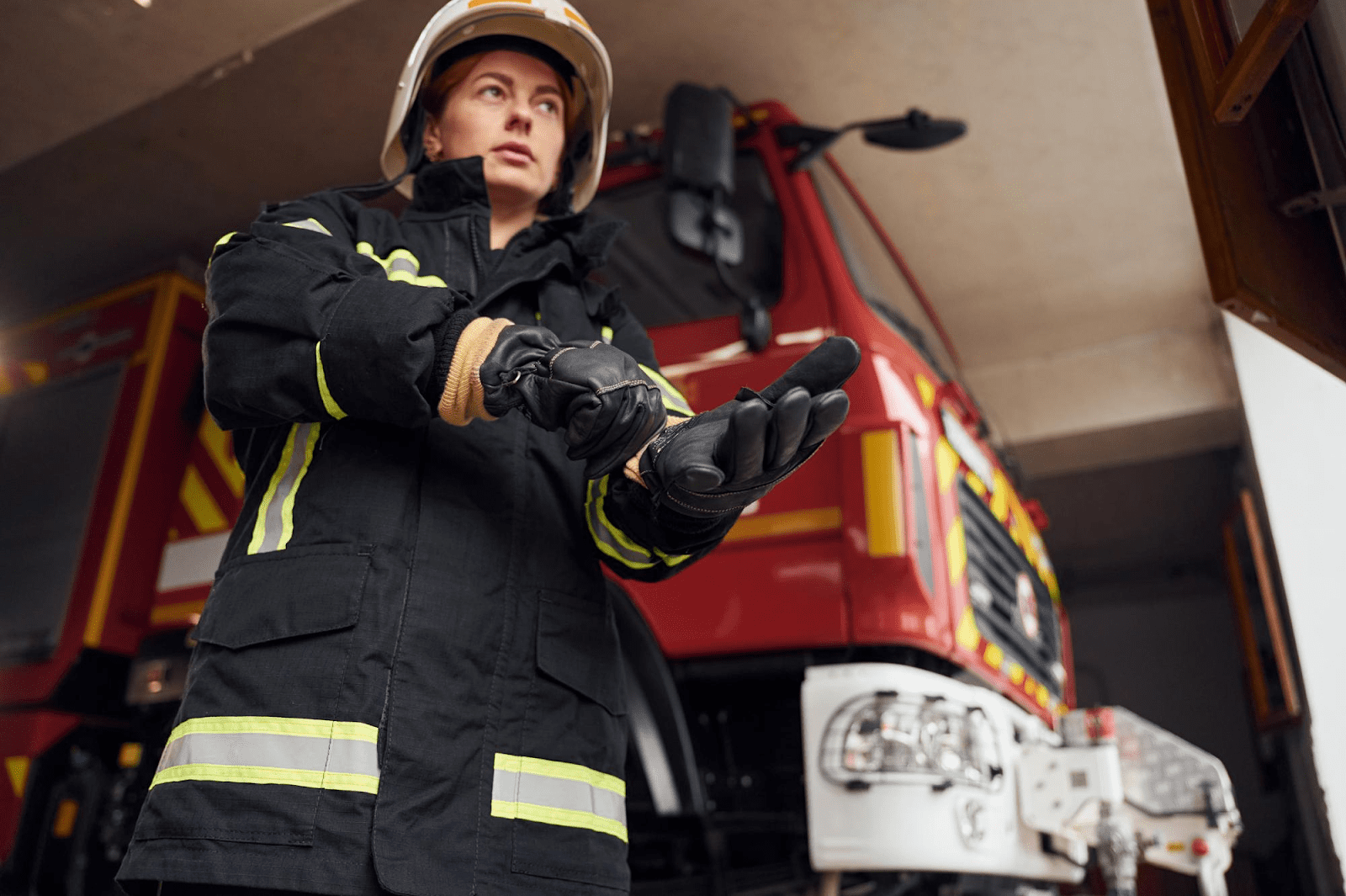
Unexpected equipment failures can instantly turn a safe environment into a high-risk situation. Fire alarm malfunctions, sprinkler shutdowns, electrical faults, or disabled suppression systems leave buildings vulnerable to fire hazards that escalate quickly if left unmanaged. In these moments, structured human oversight becomes critical. This is where professional fire watch services play a vital role in maintaining fire safety, ensuring compliance, and protecting lives and property until systems are fully restored.
Fire watch guards are trained professionals assigned to continuously monitor premises for fire risks when standard fire protection equipment is offline or unreliable. Their presence bridges the safety gap created by sudden failures, providing immediate detection, rapid response, and disciplined prevention strategies. The following sections explain how fire watch guards operate, why they are essential during equipment failures, and how they support regulatory compliance and risk reduction across different environments.
Understanding Unexpected Equipment Failures and Fire Risk
Equipment failures often occur without warning and can affect any type of facility, from commercial buildings to industrial sites. Fire alarm panels may malfunction due to power surges, wiring faults, or system upgrades. Sprinkler systems can be taken offline because of frozen pipes, maintenance work, or mechanical breakdowns. Electrical equipment failures can cause overheating, sparking, or short circuits, significantly increasing the ignition risk.
When these failures occur, automated fire-detection and suppression systems are no longer reliable. Without alternative safety measures, minor incidents can escalate into major emergencies before they are detected. Fire watch guards mitigate this vulnerability through continuous, real-time monitoring. Unlike automated systems, trained guards can interpret environmental cues such as unusual smells, smoke, heat, or unsafe human behavior that technology may miss during downtime.
By understanding the nature of equipment failures and their associated risks, fire watch guards adapt their patrols to focus on high-risk zones. This proactive approach significantly reduces the chance of a fire going unnoticed, especially during critical periods when systems are compromised.
The Core Responsibilities of Fire Watch Guards
Fire watch guards follow structured protocols designed to maintain safety during system outages. Their primary responsibility is to continuously monitor the assigned property, ensuring that fire hazards are identified and addressed immediately. Patrols are conducted at scheduled intervals, with detailed logs maintained for accountability and compliance.
In addition to visual inspections, fire watch guards ensure that exit routes remain unobstructed and that fire extinguishers are accessible and functional. They also monitor activities that increase fire risk, such as hot work, equipment operation, or temporary electrical setups. If smoke or fire is detected, guards are trained to initiate emergency procedures, alert occupants, and contact emergency services without delay.
Another critical responsibility is communication. Fire watch guards act as a direct link between facility management, maintenance teams, and emergency responders. Clear reporting ensures that issues discovered during patrols are addressed promptly, reducing prolonged exposure to fire hazards during equipment failures.
Maintaining Fire Safety Compliance During System Downtime
Fire safety regulations often require alternative protective measures when fire protection systems are impaired. Local fire codes and insurance policies may mandate the presence of trained fire watch personnel until systems are restored. Non-compliance can result in fines, operational shutdowns, or increased liability in the event of an incident.
Fire watch guards help facilities remain compliant by adhering to regulatory standards for monitoring, documentation, and emergency readiness. Detailed patrol logs, incident reports, and compliance records demonstrate due diligence and risk management. These records are particularly important during inspections or post-incident investigations.
By maintaining compliance, fire watch guards also help protect the legal and financial interests of property owners and operators. Their structured approach ensures that safety obligations are met even when automated systems are temporarily unavailable.
Rapid Response and Incident Prevention
One of the most significant advantages of fire watch guards is their ability to respond immediately to emerging threats. Unlike automated alerts that may fail during equipment outages, human oversight ensures that unusual conditions are recognized early. Quick intervention can prevent small hazards, such as overheating equipment or unattended ignition sources, from escalating into full-scale fires.
Fire watch guards are trained to take decisive action within defined safety limits. This may include using fire extinguishers, isolating hazardous equipment, or initiating evacuation procedures. Their presence also acts as a deterrent, discouraging unsafe practices that could increase fire risk during vulnerable periods.
By focusing on prevention and rapid response, fire watch guards reduce both the likelihood and severity of fire incidents, minimizing potential damage and downtime.
Supporting High-Risk Environments
Certain environments face heightened fire risks during equipment failures. Construction sites, industrial facilities, manufacturing plants, and high-occupancy buildings require specialized attention due to complex operations and combustible materials. In these settings, the absence of functional fire systems can have severe consequences.
Fire watch guards assigned to high-risk environments receive targeted training to understand site-specific hazards. Patrol routes are designed to prioritize areas with flammable materials, electrical systems, or active machinery. Guards also coordinate with site supervisors to ensure safety protocols are followed consistently.
This tailored approach ensures that fire safety measures remain effective even under challenging conditions, providing reassurance to occupants, workers, and stakeholders.
The Role of Fire Watch Guards in Business Continuity
Unexpected equipment failures can disrupt operations, leading to costly delays and reputational damage. Fire watch guards help maintain business continuity by allowing facilities to remain operational while repairs are underway. Their presence satisfies regulatory requirements and reduces the need for complete shutdowns in many cases.
By mitigating fire risk during system downtime, fire watch services support operational stability. Facilities can continue essential activities with confidence, knowing that trained professionals are actively safeguarding the premises. This balance between safety and continuity is particularly valuable in industries where downtime results in significant financial loss.
Why Professional Fire Watch Services Matter
Professional fire watch services provide trained personnel who understand fire behavior, emergency response, and regulatory compliance. The presence of Fire Watch Guards offers a structured, reliable solution during unexpected equipment failures. These services are designed to integrate seamlessly with existing safety plans, providing immediate protection without long-term disruption.
A dedicated paragraph about this service emphasizes its importance: Fire Watch Guards deliver continuous monitoring, detailed reporting, and rapid response during periods when fire protection systems are compromised. Their expertise ensures that safety standards are upheld, risks are minimized, and facilities remain compliant until normal operations are restored.
Conclusion
Unexpected equipment failures pose serious fire safety challenges that require immediate and effective solutions. Fire watch guards play a critical role in bridging the gap left by malfunctioning fire protection systems. Through constant monitoring, rapid response, regulatory compliance, and risk prevention, they help protect lives, property, and business operations.
By providing human oversight when technology falls short, fire watch guards ensure that safety remains a priority even during uncertain and high-risk periods. Their presence is not merely a temporary measure but a vital component of comprehensive fire safety management during equipment downtime.
Frequently Asked Questions
What triggers the need for fire watch guards?
Fire watch guards are typically required when fire alarm systems, sprinklers, or suppression equipment are offline due to maintenance, malfunction, or unexpected failure.
Are fire watch guards required by law?
In many jurisdictions, fire codes and insurance policies mandate fire watch personnel when fire protection systems are impaired to maintain compliance and safety.
How do fire watch guards detect fire risks without alarms?
Guards rely on continuous patrols, visual inspections, and sensory awareness to identify smoke, heat, odors, or unsafe conditions that indicate fire risk.
Can fire watch guards help during planned maintenance?
Yes, fire watch guards are commonly used during scheduled system upgrades or repairs to ensure uninterrupted fire safety coverage.
Do fire watch guards replace fire protection systems permanently?
Fire watch guards provide temporary protection during system downtime and do not replace the need for fully functional fire detection and suppression systems.
