
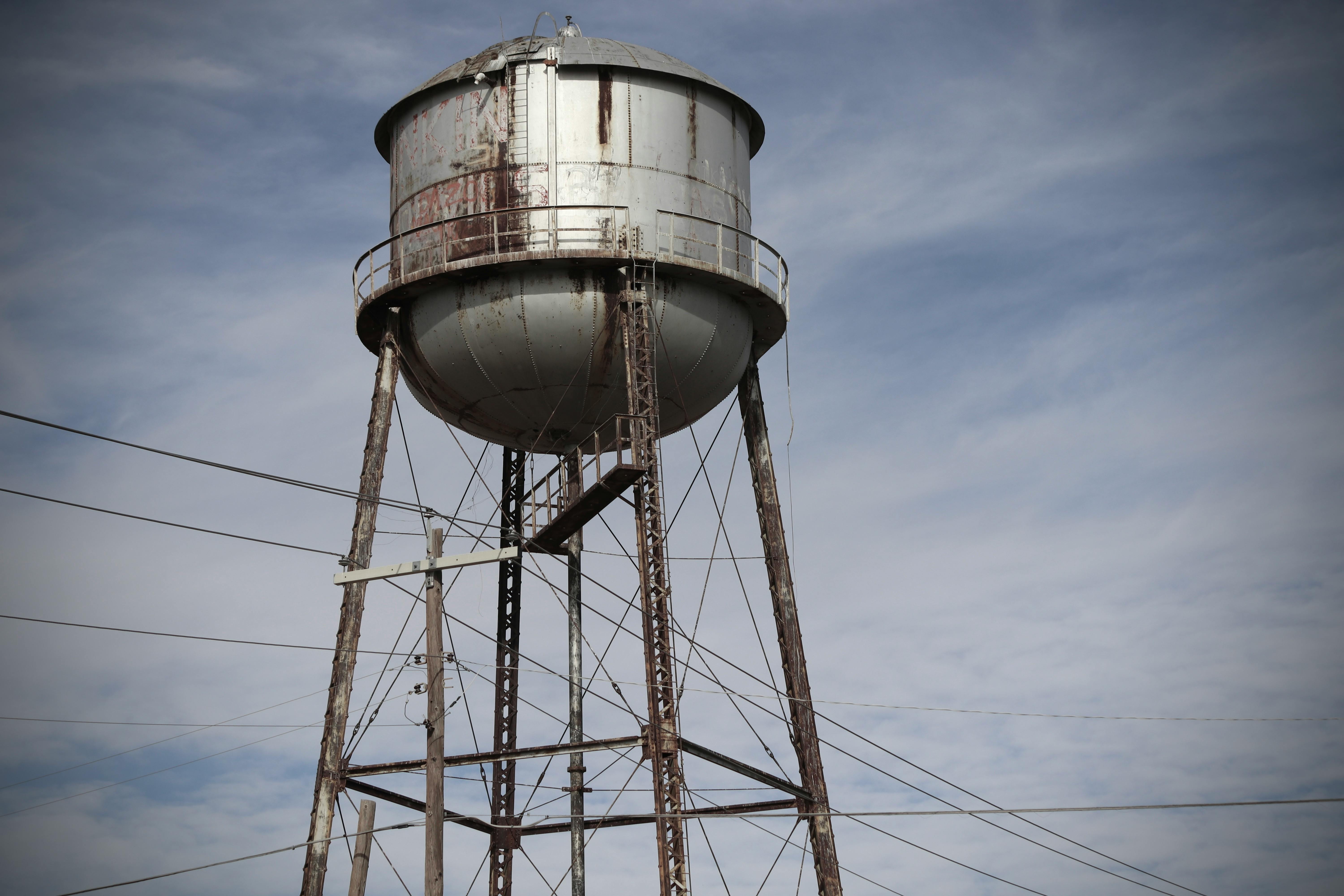
Water storage plays an essential role in residential, agricultural, and industrial settings. Whether it is used for emergency backup, irrigation, or daily consumption, the longevity of a storage system directly affects safety, cost efficiency, and maintenance planning. Among the available options, galvanized tanks are frequently chosen for their rugged construction and traditional reliability. Understanding how durable these tanks are over the long term helps buyers make informed decisions and avoid unexpected replacement costs.
What Makes Galvanized Tanks Structurally Strong
Galvanized tanks are typically made from steel that has been coated with a protective layer of zinc. This coating forms a barrier between the underlying metal and environmental elements that would otherwise cause rapid deterioration. Steel itself offers high tensile strength, allowing the tank to withstand pressure, impact, and heavy loads.
The zinc coating adds another layer of durability by slowing down oxidation. Even when surface scratches appear, the zinc continues to protect exposed steel through a process known as sacrificial corrosion. This makes a galvanized steel water tank especially well-suited for locations where physical wear and weather exposure are unavoidable. Over time, this combination of strength and protection contributes to a solid service lifespan when the tank is properly used and maintained.
Resistance to Corrosion and Environmental Stress
Corrosion is the primary concern when evaluating the lifespan of any metal water storage system. Galvanized tanks perform well in many environments because the zinc coating delays rust formation. In dry or moderately humid climates, corrosion resistance can remain effective for decades.
However, environmental conditions play a significant role in durability. High salinity, acidic rain, or constant exposure to moisture can slowly wear down the protective layer. In coastal regions or industrial areas with airborne chemicals, the zinc coating may degrade faster. While this does not cause immediate failure, it can shorten the overall lifespan if inspections and maintenance are neglected. Choosing the right installation location and using protective foundations can help minimize environmental stress.
Expected Lifespan Under Real-World Conditions
The longevity of galvanized tanks varies based on usage patterns, water quality, and external conditions. In many residential and agricultural applications, these tanks can last 20 to 40 years. Some installations even exceed this range when corrosion is minimal and maintenance is consistent.
Water quality inside the tank also affects durability. Highly acidic or mineral-rich water may accelerate internal wear over time. Sediment buildup can trap moisture against the metal surface, increasing the risk of localized corrosion. Regular cleaning and monitoring help ensure that internal conditions do not undermine the structural integrity of the tank.
It is also worth noting that tanks used intermittently tend to last longer than those under constant high demand. Reduced pressure cycles and less frequent refilling place less stress on seams and joints.
Maintenance Practices That Extend Service Life
While galvanized tanks are known for durability, proactive care is essential for achieving long-term performance. Routine inspections should focus on identifying early signs of rust, weakened seams, or damaged coatings. Catching small issues early allows for targeted repairs rather than full replacement.
Applying protective coatings or sealants to high-risk areas can further slow corrosion. Ensuring proper drainage around the base prevents standing water from contacting the exterior surface. Internally, periodic cleaning helps remove sediment and organic buildup that may contribute to corrosion.
Proper installation also matters. A level, reinforced foundation reduces stress on the tank walls and joints. When maintenance is built into regular operational routines, the tank’s lifespan can be significantly extended without major additional costs.
How Galvanized Tanks Compare to Alternative Materials
When considering long-term use, galvanized tanks are often compared with plastic, fiberglass, and stainless steel options. Plastic tanks resist corrosion completely but can degrade under UV exposure and extreme temperatures. Fiberglass tanks offer good chemical resistance but may crack under impact or heavy stress.
Stainless steel provides excellent longevity and corrosion resistance, but comes at a much higher upfront cost. Galvanized tanks strike a practical balance between durability and affordability. While they require more attention than plastic alternatives, they remain a dependable choice for users who value strength and traditional construction methods.
Conclusion
Galvanized tanks are a durable and time-tested solution for long-term water storage when used in suitable conditions. Their ability to withstand physical stress, resist corrosion, and deliver decades of service makes them a reliable investment for many applications. With proper installation, regular inspections, and basic maintenance, these tanks can continue to perform effectively as part of a long-term water storage strategy.