

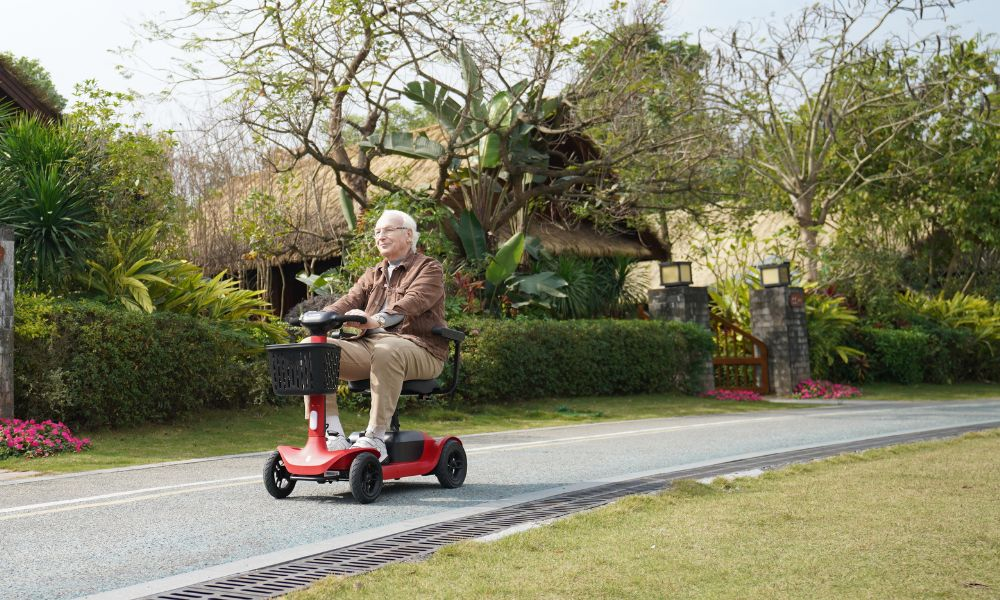
Mobility is essential to independence and quality of life, especially for individuals living with disabilities. In 2026, accessibility initiatives and assistance programs are expanding, making it easier for eligible individuals to obtain free electric scooters for disabled users. With the right information, documentation, and application approach, securing a mobility scooter through government programs or nonprofit organizations has become more achievable than ever.
This guide explains how the qualification process works, what documents are required, and which programs can help cover the cost of electric scooters designed to improve daily mobility and independence.
Why Electric Scooters Are Important for Disabled Individuals
Electric scooters have evolved into a vital tool for individuals with mobility limitations. They offer comfort, control, and autonomy—allowing users to move freely in their homes, workplaces, and communities without constant assistance. Unlike traditional wheelchairs, mobility scooters are motor-powered, easy to operate, and suitable for both indoor and outdoor use.
In 2026, with advancements in design and affordability, many government and charitable organizations are prioritizing access to mobility aids, including electric scooters. These efforts aim to enhance independence and reduce the social and physical barriers faced by people with disabilities.
Who Qualifies for a Free or Subsidized Electric Scooter
Eligibility depends on several factors, including medical necessity, financial status, and insurance coverage. Although specific requirements vary by program, applicants generally need to demonstrate that an electric scooter is essential for their daily living and mobility.
Common qualification criteria include:
- Medical Documentation
A certified healthcare provider must confirm that the applicant’s disability limits mobility and that an electric scooter is medically necessary. This statement is usually provided in a prescription or evaluation report. - Income Verification
Many government-funded or nonprofit programs assess financial eligibility to ensure support reaches those most in need. Applicants may be asked to provide income statements, tax returns, or proof of benefits. - Residency and Identification
Proof of legal residence, identity, and sometimes citizenship status is required to participate in government assistance programs. - Physical Assessment
Some agencies may require a mobility assessment conducted by a physical therapist or occupational therapist to determine suitability for a powered scooter.
Government Programs Offering Free Mobility Scooters
Several government programs in the United States and other regions provide free or partially subsidized electric scooters to qualifying individuals.
- Medicare and Medicaid:
In certain cases, Medicare Part B covers a portion of the cost for durable medical equipment, including mobility scooters, if prescribed by a doctor. Medicaid, depending on the state, can also provide funding assistance for individuals meeting both medical and income requirements. - Veterans Affairs (VA) and Disabled American Veterans (DAV):
Veterans with mobility challenges can often receive free scooters through VA healthcare benefits or nonprofit partners like the Disabled American Veterans (DAV). These programs recognize mobility aids as essential to maintaining independence and quality of life. - Social Services and Disability Support Offices:
Many local government departments assist with applications or direct individuals to approved equipment providers for mobility support.
Charitable and Nonprofit Organizations Offering Assistance
For individuals who do not meet government eligibility criteria, nonprofit and charitable organizations often serve as valuable resources.
- The Mobility Equipment Reuse Program (MERP): Provides refurbished scooters at little to no cost for those unable to afford new devices.
- The Muscular Dystrophy Association (MDA): Offers mobility aid assistance for individuals diagnosed with neuromuscular conditions.
- Local Community and Faith-Based Charities: Many community programs fund mobility equipment through donations and grants, ensuring support for local residents in need.
These organizations frequently collaborate with manufacturers or healthcare providers to streamline the process and make access easier.
Application Process: Step-by-Step Guide
Applying for a free or subsidized scooter typically involves the following steps:
- Consult a Medical Professional: Obtain a formal assessment or prescription confirming your mobility limitation and need for an electric scooter.
- Identify Eligible Programs: Research which government or nonprofit programs are active in your area. Some are national, while others operate regionally.
- Gather Documentation: Prepare all necessary paperwork—medical reports, proof of income, ID, and insurance details.
- Submit the Application: Follow the program’s specific application process, which may be online, by mail, or through a healthcare provider.
- Await Approval and Delivery: Once approved, the organization will either provide a new scooter or connect you with a local distributor.
For additional insights and resources about mobility aids, user experiences, and accessibility trends, you can visit Wheelchair 2026, a trusted source for guides and updates on independent living tools.
Tips to Increase Your Chances of Approval
- Ensure your medical documentation clearly states the necessity of an electric scooter for daily activities.
- Submit complete and accurate paperwork—missing details often delay or disqualify applications.
- Reach out to disability advocates or local social workers who can assist with program navigation and application submission.
- Explore multiple funding options, including local charities, crowdfunding platforms, and veteran or senior programs.
The Growing Role of Technology and Accessibility
In 2026, the push for universal accessibility continues to gain momentum. Manufacturers, including those featured on Paiseec, now design electric scooters with improved battery efficiency, portability, and safety features, aligning perfectly with the mission of accessibility programs worldwide.
As technology advances, the goal remains the same: to empower individuals with disabilities to live more active, independent, and fulfilling lives.
Conclusion
Access to free electric scooters for disabled individuals has become increasingly attainable, thanks to expanding assistance programs and growing public awareness. By understanding eligibility requirements, preparing the right documentation, and applying through the proper channels, those in need can obtain reliable mobility solutions without financial strain.
Paiseec continues to contribute to this vision by offering high-quality scooters that combine performance, safety, and comfort. As opportunities widen in 2026, every individual deserves the freedom to move independently and confidently—one ride at a time.
