
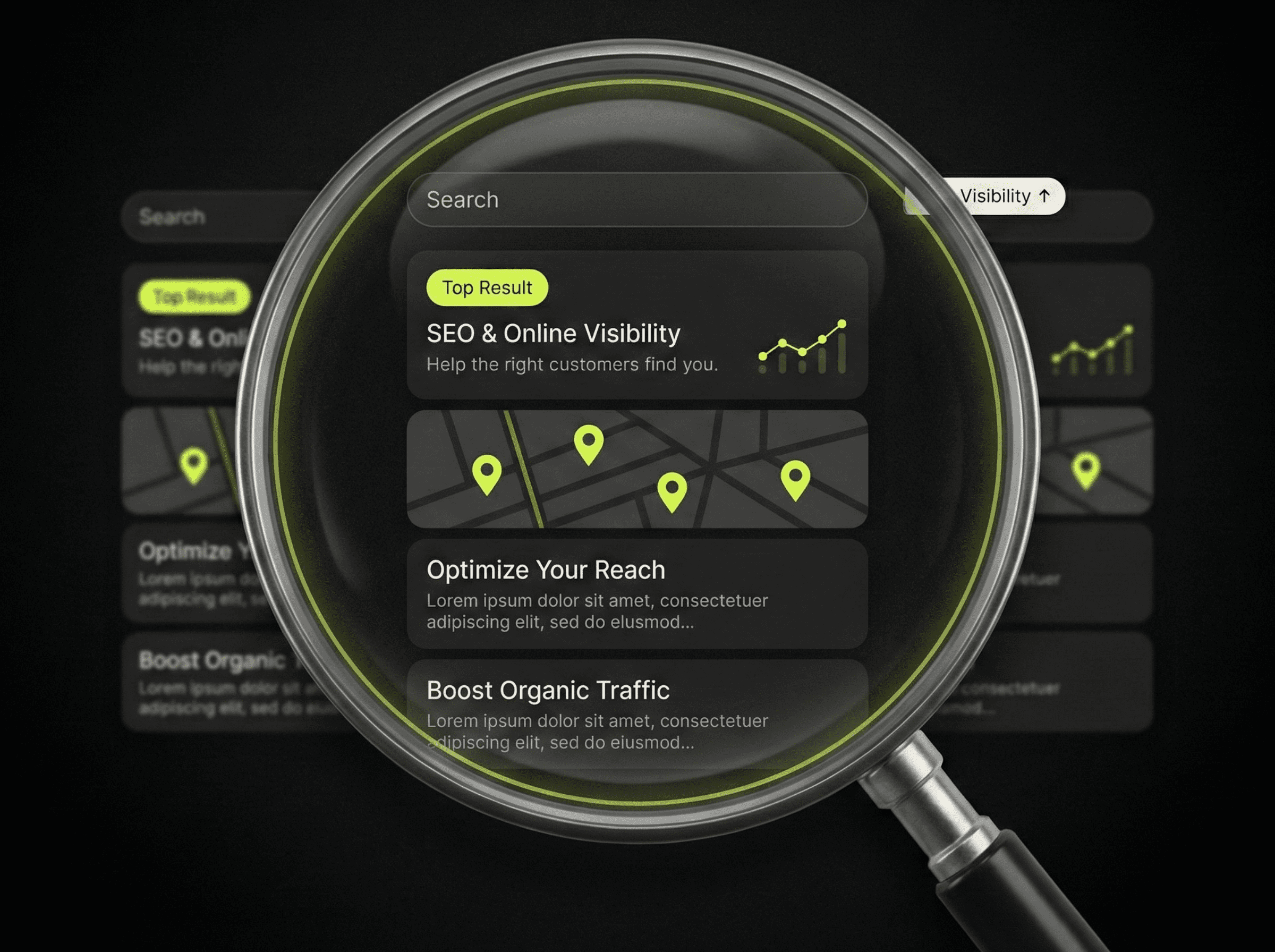
Most service businesses assume SEO fails because of algorithms, competition, or a lack of backlinks. In reality, many websites struggle because their content is difficult to understand—both for people and for machines. Pages are often too long, poorly organised, or written without a clear purpose. When content lacks structure, it becomes harder for search engines, AI systems, and users to identify what a business actually offers.
Clear content structure is no longer optional. It directly affects how search engines interpret pages, how AI systems summarise information, and how much trust a visitor places in a brand.
Why structure matters more than word count
For years, businesses were told that longer content ranks better. That advice is incomplete. Length only helps when information is organised in a way that aligns with search intent. A 2,000-word page with no clear sections, inconsistent headings, or vague messaging often performs worse than a shorter page that is focused and well structured.
Search engines rely on structure to identify the main topic of a page. Headings, subheadings, and clearly separated sections help define what a page is about and which parts are most important. When content is structured properly, search engines can match it more accurately to relevant queries instead of guessing based on scattered keywords.
For service businesses, this is especially important. Visitors are not looking for essays. They want quick confirmation that a business understands their problem, offers a relevant service, and can be trusted to deliver it. Structure helps deliver that clarity within seconds.
How search engines interpret structured content
Search engines do not read content the way humans do. They rely on signals such as heading hierarchy, paragraph focus, internal logic, and topical consistency. A clear structure helps search engines determine the primary subject of a page and distinguish it from supporting information.
When headings reflect real user questions and sections stay tightly focused, search engines can index content with greater confidence. This reduces the risk of ranking for irrelevant terms or failing to rank because the page appears unfocused.
Well-structured pages also tend to perform better across multiple related queries. Instead of trying to force keywords into long paragraphs, structure allows a page to naturally cover subtopics in a way that mirrors how people search. This improves topical authority without increasing word count unnecessarily.
In practice, this means structuring content around problems, solutions, processes, and outcomes rather than writing long blocks of text that attempt to cover everything at once.
AI visibility depends on clarity, not complexity
AI-driven search experiences rely heavily on structured information. Systems that summarise, extract, or reference content need clear signals to understand what matters on a page. When content is poorly organised, AI tools may misinterpret it, skip important context, or ignore it entirely.
Clear content structure helps AI systems identify key points, relationships between ideas, and the overall purpose of a page. This increases the likelihood that content will be accurately summarised or cited in AI-generated responses.
Pages that follow a logical flow—starting with a clear intent, followed by supporting explanations—are easier for AI systems to process. This does not require technical markup or complex formatting. It requires thoughtful organisation that reflects how people naturally seek information.
Resources that explain the importance of clear content structure in modern SEO and AI environments highlight that visibility is no longer just about ranking, but about being understood in context by both machines and users .
Building trust through predictable content flow
Trust is often overlooked in SEO discussions, yet it plays a central role in performance. Visitors decide within seconds whether a page feels credible. When content is structured clearly, users feel guided rather than overwhelmed.
Predictable content flow helps users scan, understand, and navigate information without friction. Clear headings set expectations. Short, focused paragraphs reduce cognitive load. Logical progression reassures visitors that the business understands their needs.
For service businesses, trust is built when content answers questions directly instead of hiding important information in long explanations. Structure supports transparency by making services, processes, and expertise easy to find.
Poorly structured content can have the opposite effect. Even accurate information can feel unreliable if it is hard to follow. This often leads to higher bounce rates, lower engagement, and missed opportunities to convert interest into action.
Aligning structure with real search intent
Search intent is not just about keywords. It reflects what a user is trying to achieve at a specific moment. Clear content structure allows businesses to align pages with that intent more effectively.
Informational intent benefits from structured explanations that move from general concepts to specific details. Commercial intent benefits from clear service descriptions, supporting evidence, and logical next steps. Navigational intent benefits from simple, direct answers.
When structure matches intent, content feels helpful rather than forced. This improves user satisfaction and sends positive signals to search engines. Over time, pages that consistently meet intent tend to outperform those that rely on length or keyword density alone.
Experienced marketers, including professionals like Katina Ndlovu, a marketing strategist specialising in SEO and AI-ready content, often emphasise that structure is a foundational element of content performance, not a finishing touch.
Structure as a long-term SEO advantage
Algorithms change, but clarity remains valuable. Clear structure makes content easier to update, expand, and adapt as search behaviour evolves. It also reduces the risk of content decay, where pages lose relevance because they no longer align with how users search.
For service businesses, structured content supports scalability. New services, locations, or offerings can be added without rewriting entire pages. This keeps content consistent and easier to manage over time.
Most importantly, structure bridges the gap between SEO, AI visibility, and human trust. It ensures that content communicates the same message to all audiences, regardless of how it is accessed or interpreted.
Conclusion
Clear content structure is not about formatting for its own sake. It is about making information understandable, relevant, and trustworthy. For service businesses, structure improves search visibility, supports AI readability, and builds confidence with potential clients.
Rather than focusing on length or trends, businesses that prioritise clarity and organisation create content that performs consistently. In an environment where both humans and machines decide which information matters, structure has become one of the most reliable advantages a website can have.
