

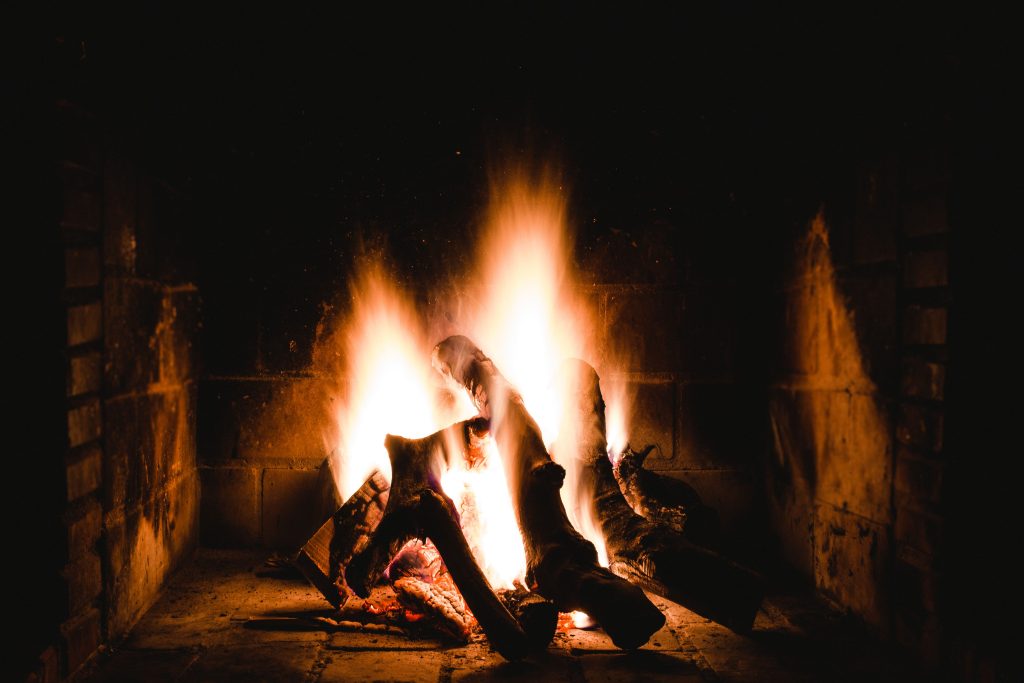
As the temperature drops, nothing compares to the warmth of a crackling fire. For many homeowners, the fireplace is the centerpiece of winter, providing both heat and a relaxing ambiance. However, while we enjoy a wood-burning fire, it is easy to forget about the hidden processes occurring inside the flue. Over time, the combustion of wood leaves behind residues that cling to the inner walls of your chimney. If left unaddressed, these deposits do not just reduce efficiency; they present significant hazards to your home and the health of everyone inside.
When wood burns, it releases smoke, water vapor, and unburned wood particles. As these substances ascend the cool chimney flue, they condense into a highly flammable substance known as creosote. This chimney creosote buildup is the primary culprit behind most chimney fires. When it comes to chimney fire prevention, investing in professional chimney cleaning in Charlotte is an essential step that every homeowner should prioritize before lighting the first fire of the season.
Beyond creosote, soot and physical debris also accumulate inside the flue. Soot is a fine, black powder consisting mainly of carbon, which coats the chimney walls. Meanwhile, debris like leaves, twigs, and bird nests can obstruct the passage, preventing smoke and toxic gases from escaping. Together, these materials restrict airflow and alter how your fireplace behaves, transforming a cozy amenity into a major hazard. Understanding how these accumulations impact both safety and the air you breathe is key to maintaining a healthy household.
The Dual Threat of Creosote and Soot
Creosote develops in three distinct stages, each more dangerous than the last. In its early stage, creosote is a flaky, dusty soot that is easily brushed away. As it accumulates, it bakes into a sticky, tar-like substance that hardens into a thick, glossy glaze. This glazed creosote is highly concentrated and extremely difficult to remove. It is also the perfect fuel for a chimney fire. A small spark traveling up the flue can ignite this glaze, leading to an intense fire that can crack the chimney liner and ignite the home itself.
Soot, while less flammable, presents its own set of problems. Because soot is comprised of tiny particulate matter, it can easily become airborne. When soot accumulates, it restricts the diameter of the flue, which limits the draft. A poor draft means the fireplace cannot draw air efficiently, leading to incomplete combustion and faster creosote accumulation.
How Chimney Obstructions Degrade Indoor Air Quality
Most people associate fireplaces with the cozy smell of burning wood, but poor draft and chimney blockages can turn this pleasant aroma into a health hazard. When a chimney is clogged with soot, creosote, or debris, the smoke that should be directed outside is forced back down into your living space. This phenomenon, known as backdrafting, introduces harmful pollutants directly into your home, illustrating why concerns surrounding indoor air quality and fireplaces should never be overlooked.
Among these pollutants, carbon monoxide is the most dangerous. This odorless, colorless gas is a byproduct of incomplete combustion. When a chimney cannot vent properly, carbon monoxide can build up silently, posing a severe risk of poisoning. Additionally, backdrafting releases fine particulate matter and microscopic soot particles. These particles can bypass the nasal passages and penetrate deep into the lungs, triggering asthma attacks and respiratory issues, particularly in children and the elderly.
Essential Chimney Maintenance Tips for Homeowners
Protecting your household from these risks requires a proactive approach to fireplace care. Here are several practical chimney maintenance tips to keep your fireplace operating safely and preserve your indoor air quality:
First, burn only dry, seasoned hardwood. Freshly cut wood contains high moisture levels, which leads to cooler fires and rapid creosote condensation. Seasoned wood burns hotter and cleaner, producing less smoke and residue.
Second, monitor how your fireplace drafts. If you notice smoke entering the room when you light a fire, or if you smell a strong, smoky odor even when the fireplace is not in use, these are clear indicators of airflow restriction.
Third, install carbon monoxide and smoke detectors on every level of your home. These devices provide an essential line of defense by alerting you to invisible threats.
Finally, schedule regular professional assessments. Regular evaluations allow experts to detect hidden structural damage, such as cracked flue liners or damaged masonry, which could allow heat or gases to escape into your home.
By combining good burning habits with regular professional oversight, you can enjoy your fireplace with complete peace of mind, knowing your air remains clean and your home remains secure.