

Modern aircraft depend for their safe and effective operation upon a combination of high technology, engineering precision, and powerful mechanical systems. Central to such reliability is the airplane hydraulic system-an essential mechanism responsible for powering many of the aircraft’s critical functions.
The airplane hydraulic system will remain fundamental to aviation as technology in aviation continues to develop, having strengths, responsiveness, and reliability yet to be matched. Their ability to handle extreme pressure and heavy loads makes them indispensable in both commercial and military aviation. Modern aircraft would never have attained the degree of safety and performance required for demanding flight operations without these systems.
In this blog, we will explore the role of Aviation hydraulic systems in maintaining safe and critical flight operations.
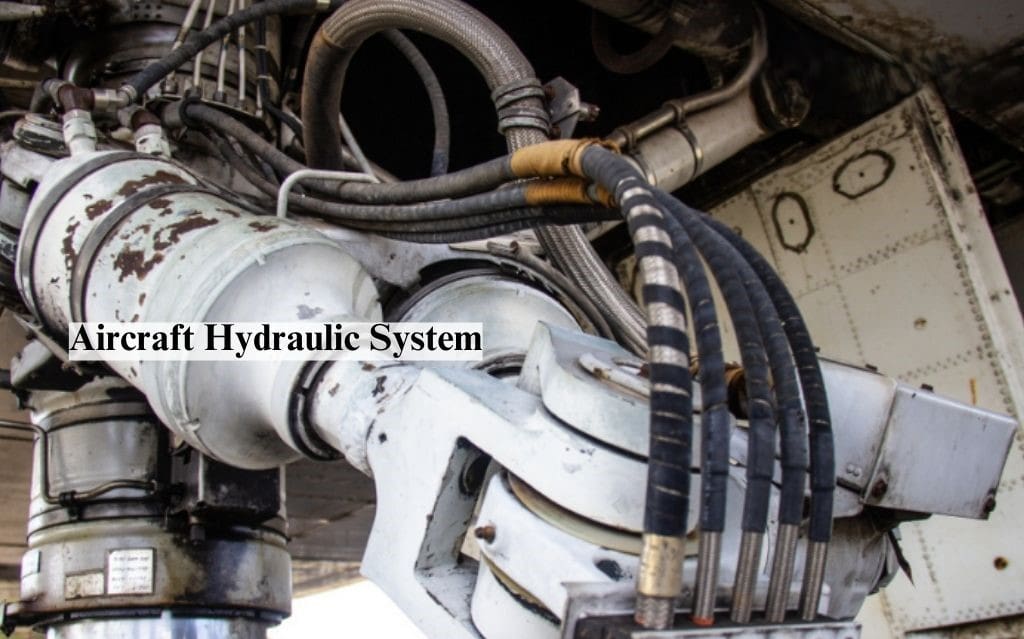
Overview of Aircraft Hydraulic Mechanisms
Aviation hydraulic systems are complex machines that utilize pressurized liquids as their primary power source. Similar to vehicle brakes, the hydraulic system of an airplane converts tiny movements into a super-strong mechanical force. These systems make it possible for parts of the aircraft to perform tasks that require both great strength and precision.
Hydraulics have become the backbone of the aviation industry for good reasons. They support enormous weights while providing smoothness and efficacy in motion and response, which is the quality of flight. The hydraulic power of the aircraft is used in the movement of such vital systems as landing gear, steering, flight control surfaces, and many others. Fast-response capabilities, high-pressure conditions, and poorly manageable flight conditions require a highly sensitive system.
Key Functions of Hydraulic Systems in Aircraft
The hydraulic systems that are used in aircraft are responsible for the most critical functions, some of which are the major requirements of high force, perfect timing, and absolute reliability.
1. Landing Gear Operation
Hydraulics provide the tremendous force that is needed to raise and lower the landing gear, providing smooth extensions during landings and reliable retractions on takeoff. Their capability of handling heavy loads makes landing gear operation safe and precise. This makes landings stable and transitions seamless during flight.
2. Flight Control Surfaces
The movement of critical surfaces, such as ailerons, elevators, and rudders, is accurately done through hydraulics. These are the means of altitude and direction control that maintain the stability of the aircraft. Hydraulics make these movements responsive, helping maintain a smooth and controlled flight.
3. Braking System Support
Hydraulic pressure is the main bracing force that provides a substantial amount of durable braking resources for aircraft during landings, taxiing, and emergencies. Therefore, hydraulic braking systems support safe stopping of large aircraft in high speed situations.
4. Thrust Reversers Activation
Thrust reversers have the effect of rapidly slowing the aircraft after landing. Hydraulics permit these systems to receive motion from the engine components to shift into the reverse position safely. Such quick responses increase runway safety by reducing stopping distance.
Advantages of Hydraulic Systems
Hydraulic systems in airplane construction are still the first choice because of a diverse array of advantages. This not only improves safety but also the performance of the operations.
- High Power Output with Minimal Effort
Hydraulics can provide powerful pressure with very little mechanical effort, which makes them the best choice for relocating the airplane’s heavy parts. This incredible power efficiency allows a smooth and safe operation without putting the mechanical parts under much stress.
- Reliable Performance in Extreme Conditions
Hydraulic systems are operating all the time, even in the most extreme conditions, such as in very high altitudes, extreme temperatures, and heavy workloads. Their reliability is good enough to ensure that the whole flight cycle is characterized by the same performance of the aircraft.
- Fast and Accurate Response Time
Hydraulics take virtually no time to respond to the pilot’s commands and allow the fine-tuning of the flight surfaces. Such quickness is vital in the control of the aircraft and its safety during the flight.
- Built-in Redundancy for Added Safety
The majority of the hydraulic systems in planes have several backup lines such that in the event of one system failing, the flight can still be sustained. The redundancy of the mechanical systems decreases their failure rate to a large extent in flight safety. It is also a major focus for professionals handling Aircraft Repair in Florida.
Wrapping It Up
Airplane Hydraulic systems used in planes are a must for safe, dependable, and effective flights. Powering up the different critical parts like landing gear, control surfaces, brakes, and thrust reversers, the hydraulics are the ones responsible for the power and precision. With their high power-to-weight ratio, rapid responsiveness, and built-in safety redundancies, hydraulics are indispensable in the aviation industry. As engineering evolves, hydraulic systems evolve continuously to be more efficient and more reliable. Ultimately, these systems are among the prime contributors to the safety and smoothness of each and every flight, thus making it a cornerstone of modern air travel. Next blog…..
