
For most pool owners, maintaining a sparkling clean swimming pool feels like a never-ending battle. Between skimming debris, scrubbing walls, vacuuming the floor, and balancing chemicals, traditional pool maintenance can easily consume several hours each week. The frustration compounds when, despite all that effort, algae still creeps into corners and fine sediment settles overnight. It’s a cycle that turns what should be a backyard oasis into a constant source of stress.
Enter AI robotic pool cleaners—a new generation of intelligent machines that are fundamentally changing how homeowners approach pool care. These aren’t simply upgraded versions of older automatic cleaners. They represent a genuine leap forward, combining artificial intelligence with advanced robotics to deliver thorough, consistent cleaning with minimal human involvement. This article explores how AI-powered pool cleaning technology directly addresses the most common pain points pool owners face, from unreliable results and wasted time to complicated maintenance routines. Whether you’re tired of manual labor or frustrated with outdated equipment, understanding this technology could transform your relationship with your pool.
The Growing Need for Efficient Pool Cleaning Solutions
Owning a pool comes with a maintenance burden that many homeowners underestimate. The average pool owner spends three to five hours per week on cleaning tasks alone—time that could be spent actually enjoying the water. Manual vacuuming misses spots, suction-side cleaners get tangled, and pressure-side units often leave fine particles behind. The result is inconsistent cleanliness that demands repeated effort and constant oversight.
Beyond the physical labor, there’s the mental load. Remembering schedules, checking equipment, and troubleshooting failures all add up. Many homeowners hire professional pool services to escape the hassle, only to find themselves paying substantial monthly fees for results they could achieve independently with the right technology. Others invest in basic automatic cleaners that promise convenience but deliver random, incomplete coverage that still requires manual follow-up.
The demand for something better has grown steadily. Pool owners want a solution that actually works without babysitting—something that delivers reliable, thorough cleaning on its own schedule. They want to reclaim their weekends without sacrificing water quality. This growing frustration with half-measures and outdated equipment has created the perfect environment for AI robotic pool cleaners to emerge as a genuinely transformative answer to decades-old maintenance problems.
Understanding AI Robotic Pool Cleaners: Beyond Basic Automation
To appreciate what AI robotic pool cleaners bring to the table, it helps to understand how they differ fundamentally from what came before. This isn’t simply an incremental upgrade—it’s a complete rethinking of how pool cleaning should work.
What is a Robotic Pool Cleaner?
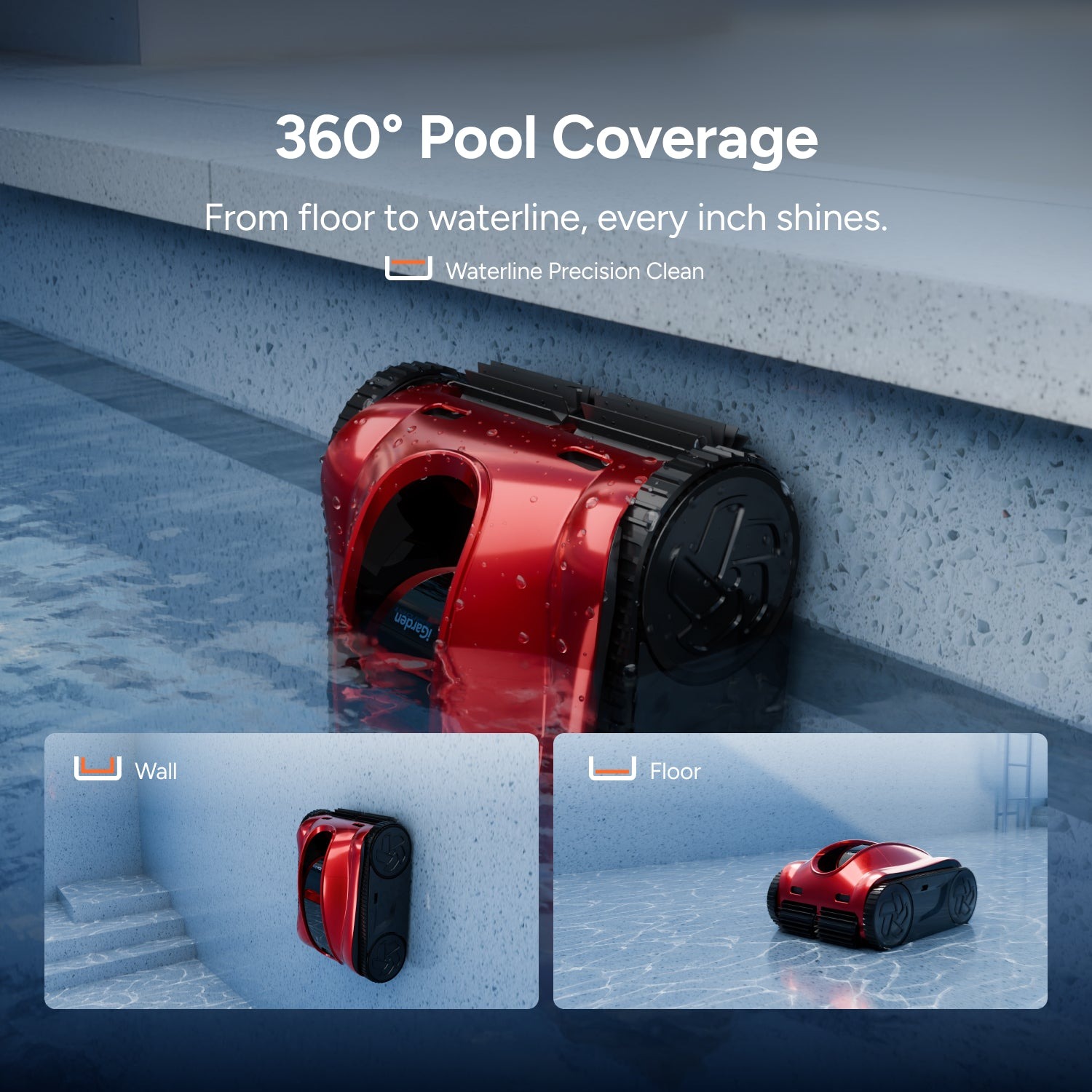
A robotic pool cleaner is a self-contained, electrically powered unit that operates independently from your pool’s filtration system. It houses its own motors, brushes, filtration cartridges, and onboard intelligence within a compact body that moves along the pool floor, walls, and waterline. Unlike suction-side cleaners that rely on your pool pump and often reduce filtration efficiency, or pressure-side cleaners that require dedicated booster pumps and external debris bags, robotic cleaners plug into a standard outlet and handle everything internally. This independence means cleaner operation, less strain on existing pool equipment, and far more deliberate movement patterns compared to the random wandering of older automated systems.
The Role of AI in Modern Pool Cleaning
What separates an AI robotic pool cleaner from a standard robotic model is its capacity to learn and adapt. Traditional robotic cleaners follow pre-programmed paths or basic algorithms that may cover most surfaces eventually but waste time retracing areas or missing irregular spots. AI-supported cleaning changes this entirely. Onboard processors analyze pool dimensions during initial runs, building internal maps that optimize subsequent cleaning routes for complete coverage in less time. Sensors detect obstacles like ladders, steps, and drains, allowing the unit to navigate around them fluidly rather than bumping repeatedly. The AI also adjusts scrubbing intensity based on surface conditions—applying more effort where buildup is detected and conserving energy on already-clean sections. This intelligent decision-making means every cleaning cycle becomes more efficient than the last, delivering consistently thorough results without wasted motion or energy.
Key Features That Make AI Cleaners Revolutionary
The technology packed into modern AI robotic pool cleaners directly targets the frustrations that have plagued pool owners for years. These aren’t gimmicks—they’re practical innovations that deliver measurable improvements in cleaning quality, user experience, and operating costs.
AI-Supported Cleaning for Superior Results
AI-supported cleaning transforms how thoroughly your pool gets cleaned during every cycle. The onboard intelligence creates a precise digital map of your pool’s unique geometry—every curve, step, and slope—then calculates the most efficient route to cover every square inch without redundant passes. Unlike older cleaners that rely on random bouncing patterns and hope for eventual coverage, AI-driven units guarantee systematic, complete cleaning. The adaptive scrubbing capability is equally impressive. When sensors detect stubborn biofilm or calcium deposits along the waterline, the unit automatically increases brush speed and slows its travel pace to break down buildup effectively. On smooth, clean surfaces, it moves faster and conserves brush wear. This intelligent responsiveness means you get consistently spotless results regardless of how dirty your pool was before the cycle started, eliminating the need for manual spot-cleaning afterward.
Easy Retrieval and Low Maintenance Design
One overlooked frustration with older robotic cleaners was the awkward process of hauling a heavy, water-logged machine out of the pool after each session. Modern AI models address this with easy retrieval features like automatic waterline parking, where the unit drives itself to a designated wall position for effortless lift-out. Some models include powered lift cables that raise the unit to the pool edge at the push of a button. Bodies are designed lighter without sacrificing durability, and top-access filter cartridges mean you can rinse debris away in seconds without disassembling anything. These design choices eliminate the barriers that once made people avoid using their robotic cleaners regularly.
Energy Efficiency and Smart Connectivity
AI robotic cleaners consume a fraction of the energy that running your pool’s main pump and traditional cleaner demands—often using less electricity than a standard light bulb during a full cleaning cycle. The AI further reduces waste by shortening cycle times through optimized pathing, only running as long as genuinely needed. Smartphone connectivity adds another layer of convenience, letting you start cleaning sessions remotely, adjust schedules based on weather or upcoming gatherings, and receive notifications when the filter needs attention or a cycle completes. For homeowners already managing their outdoor spaces through smart home platforms like iGarden, integrating pool cleaning into a unified ecosystem makes maintaining the entire backyard effortless. This combination of low operating costs and effortless control through an app makes maintaining a pristine pool something you manage in seconds rather than hours.
Step-by-Step Guide to Implementing an AI Robotic Pool Cleaner
Choosing the Right Model for Your Pool
Selecting the ideal AI robotic cleaner starts with honestly assessing your pool’s characteristics. Pool size matters most—smaller units struggle in large commercial-style pools, while oversized machines waste capability in compact plunge pools. Consider your pool’s shape next: freeform designs with curves and irregular contours demand advanced navigation algorithms, while rectangular pools work well with nearly any model. Surface type also influences your decision significantly. Textured plaster and pebble finishes require aggressive brush options, whereas vinyl and fiberglass liners need gentler, non-marking brushes to prevent damage. Finally, evaluate whether your pool has features like shallow shelves, integrated spas, or steep walls that require specific climbing capabilities. Prioritize models with proven AI mapping over those offering flashy extras you won’t use.
Setup, Operation, and Optimization Tips
Getting started is straightforward. Place the unit in the water, connect the power supply to a grounded outlet away from splash zones, and let it run its initial mapping cycle without interruption—this first session teaches the AI your pool’s layout. Download the companion app during this time and connect via Wi-Fi or Bluetooth to access scheduling features. Program cleaning sessions during off-peak electricity hours or before morning swim times for the best experience. For optimization, run the cleaner after storms or heavy use when debris loads spike rather than waiting for your next scheduled cycle. Clean filter cartridges after every two to three sessions to maintain suction strength. If the unit repeatedly struggles in one area, check for obstacles below the waterline that might confuse its sensors, and update firmware when prompted to benefit from improved navigation algorithms.
Comparing Costs and Long-Term Benefits for Homeowners
The upfront cost of an AI robotic pool cleaner represents a meaningful investment, but the financial picture shifts dramatically when viewed over time. Professional pool cleaning services typically run between $150 and $300 monthly, meaning a quality AI robotic cleaner can pay for itself within one to two seasons of ownership. The savings extend beyond service fees. Because these units operate independently from your pool’s main circulation system, you reduce pump run times and the associated electricity costs. Optimized cleaning paths mean shorter cycles, translating to even lower energy consumption per session.
Chemical savings add another layer of return. A consistently clean pool requires fewer shock treatments and algaecide applications because biofilm and organic matter never accumulate enough to trigger problems. Owners frequently report reducing their chemical spending by twenty to thirty percent after switching to regular AI-driven cleaning. There’s also the equipment longevity factor—when your filtration system isn’t burdened by debris that a dedicated cleaner should have caught, pumps and filters last longer before needing replacement. When you combine reclaimed personal time, eliminated service contracts, reduced chemical and energy bills, and extended equipment life, the total value proposition makes the initial purchase look less like an expense and more like one of the smartest investments a pool owner can make toward reliable, efficient, and genuinely hands-off maintenance.
Embracing Hassle-Free Pool Ownership with AI Technology
AI robotic pool cleaners represent more than a convenience upgrade—they fundamentally solve the problems that have made pool ownership feel like a second job. By combining intelligent mapping, adaptive cleaning behavior, and effortless operation, these machines deliver what pool owners have always wanted: reliably clean water without the constant personal investment of time and energy. The technology directly addresses every major frustration, from inconsistent results and physical labor to wasted chemicals and inflated service bills.
What makes this revolution particularly compelling is its accessibility. Setup is simple, operation requires minimal involvement, and the long-term financial benefits make ownership increasingly rewarding with each passing season. As AI algorithms continue improving through firmware updates and machine learning refinements, these cleaners will only become more efficient and capable over time. For homeowners ready to stop fighting their pools and start enjoying them, embracing AI-driven cleaning technology isn’t just a smart choice—it’s the clearest path to truly hassle-free pool ownership that finally lives up to the backyard oasis promise.