
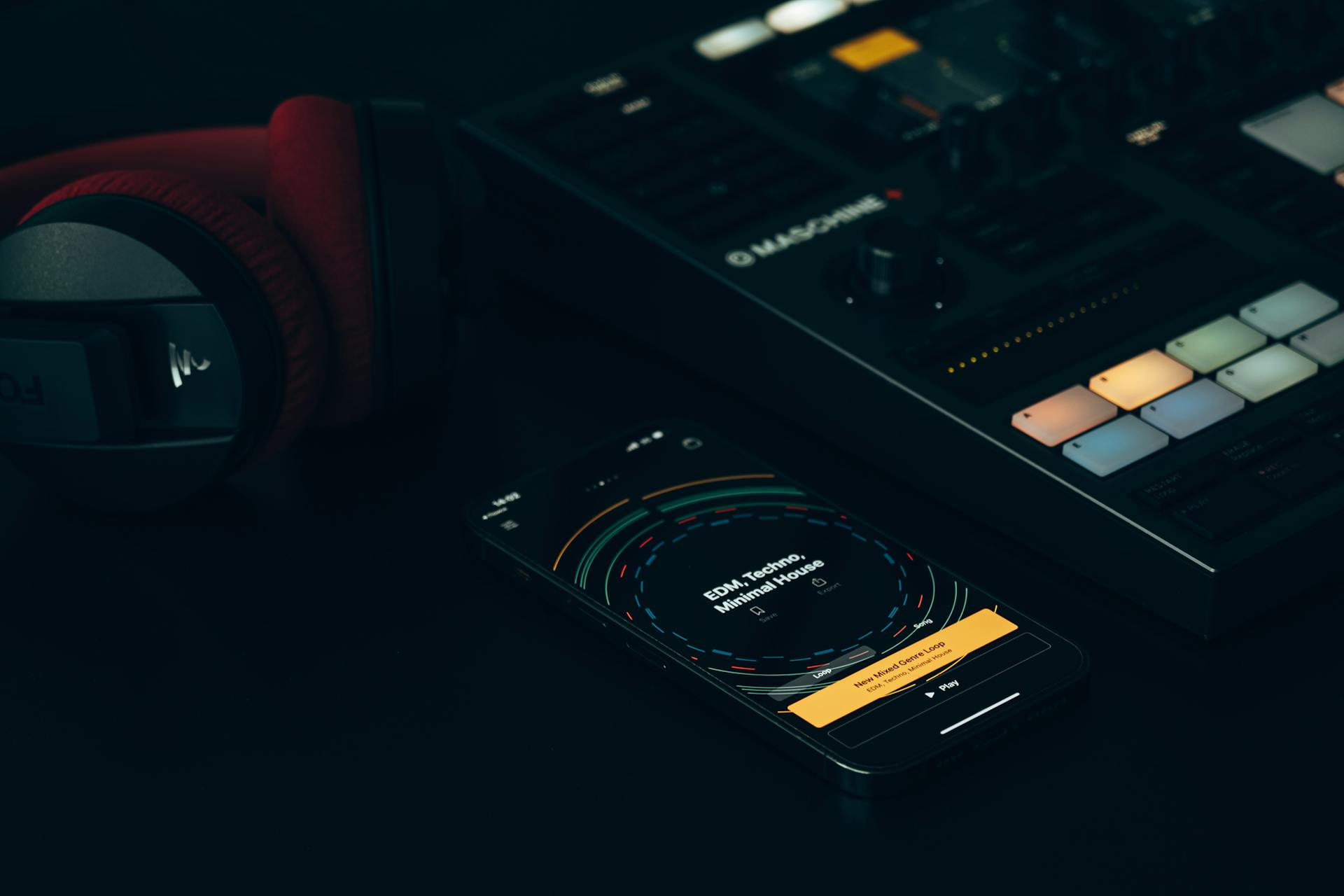
Digital creation is moving faster than ever. A short video may need a soundtrack by the end of the day. A podcast may need an intro that fits a new series. A game prototype may need background music before the visual style is even final. For many creators, music is no longer something added only at the end of a project. It is becoming part of the early creative process.
This shift is happening because creators now work across many formats at once. A musician may also make videos. A filmmaker may publish short clips on social media. A marketing team may need music for ads, tutorials, product demos, and launch campaigns. A solo creator may need to write, edit, design, publish, and promote without a large production team. In that environment, speed matters, but so does originality.
Traditional music production is still valuable, especially for finished songs, albums, films, and polished commercial projects. But not every idea starts with a full studio session. Many ideas begin as rough concepts. A creator may have a mood, a lyric, a title, a scene, or a simple direction such as “bright electronic pop for a product launch” or “cinematic background music for a dramatic trailer.” The challenge is turning that early direction into something that can be heard.
This is where AI music tools are becoming useful. They allow creators to test musical ideas before committing to a final production path. Instead of searching through endless stock music libraries, creators can describe what they want and generate a draft that matches the tone of the project. The result may not be the final version, but it can help the creator make better decisions.
An AI music generator can help turn a text prompt, lyric idea, or creative brief into a listenable musical draft. For independent musicians, that can mean testing a hook or chorus before building a complete arrangement. For video creators, it can mean shaping a soundtrack around the pacing of a scene. For marketers, it can mean exploring different moods for a campaign before choosing a final direction.
One of the most important advantages is iteration. Creative work rarely becomes strong on the first attempt. A first version may feel too slow, too cheerful, too dramatic, or too generic. But hearing a version quickly gives the creator something to respond to. They can adjust the prompt, change the genre, rewrite the lyrics, alter the emotional direction, or try a different vocal style. Each version makes the idea clearer.
This process is similar to sketching. Designers often make rough visual drafts before producing a final layout. Writers create outlines before writing finished copy. Filmmakers use storyboards before shooting. AI-generated music can play a similar role for sound. It gives creators a fast way to explore what a project might feel like before investing more time or money.
The technology is also useful for creators who are not trained musicians. Many people have strong creative ideas but do not know how to compose, arrange, mix, or produce music from scratch. They may understand the emotion they want, but not the technical steps needed to create it. AI tools can reduce that barrier by making the first musical draft easier to access.
For businesses, this can support faster content production. Startups, agencies, and small teams often need music for social videos, product explainers, internal presentations, brand assets, or customer education. Custom music has traditionally required either licensing an existing track or hiring a producer. AI music tools add another option: generate a draft that matches a specific use case, then refine or replace it as needed.
For musicians, the value is not only speed. It can also be creative discovery. A songwriter might hear the same lyric in several different styles and realize that the strongest version is not the one they first imagined. A melody idea might work better as synth-pop than acoustic folk. A sad lyric might become more interesting with an upbeat rhythm. By testing several directions, creators can avoid locking into one style too early.
Of course, AI does not remove the need for judgment. A generated track still needs taste, context, and human decision-making. The creator must decide whether the result fits the audience, whether the emotion is right, and whether the idea deserves more development. AI can produce options, but the creative direction still comes from the person using it.
There are also practical considerations. Creators should think carefully about where the music will be used, how polished it needs to be, and whether the final project requires additional editing, mixing, licensing review, or human production work. AI music is best understood as a tool in the workflow rather than a complete replacement for every part of music creation.
The broader trend is clear: music creation is becoming more accessible and more closely connected to everyday digital work. Instead of waiting until the end of a project, creators can explore sound earlier. They can test moods, compare styles, and hear ideas before making final decisions. That can lead to better videos, stronger songs, clearer campaigns, and more confident creative direction.
As AI music tools continue to improve, the most successful creators will likely be the ones who use them thoughtfully. The goal is not to generate endless tracks without purpose. The goal is to move faster from idea to sound, then use human taste to decide what is worth keeping. In a creative world where attention moves quickly, that ability can become a meaningful advantage.