
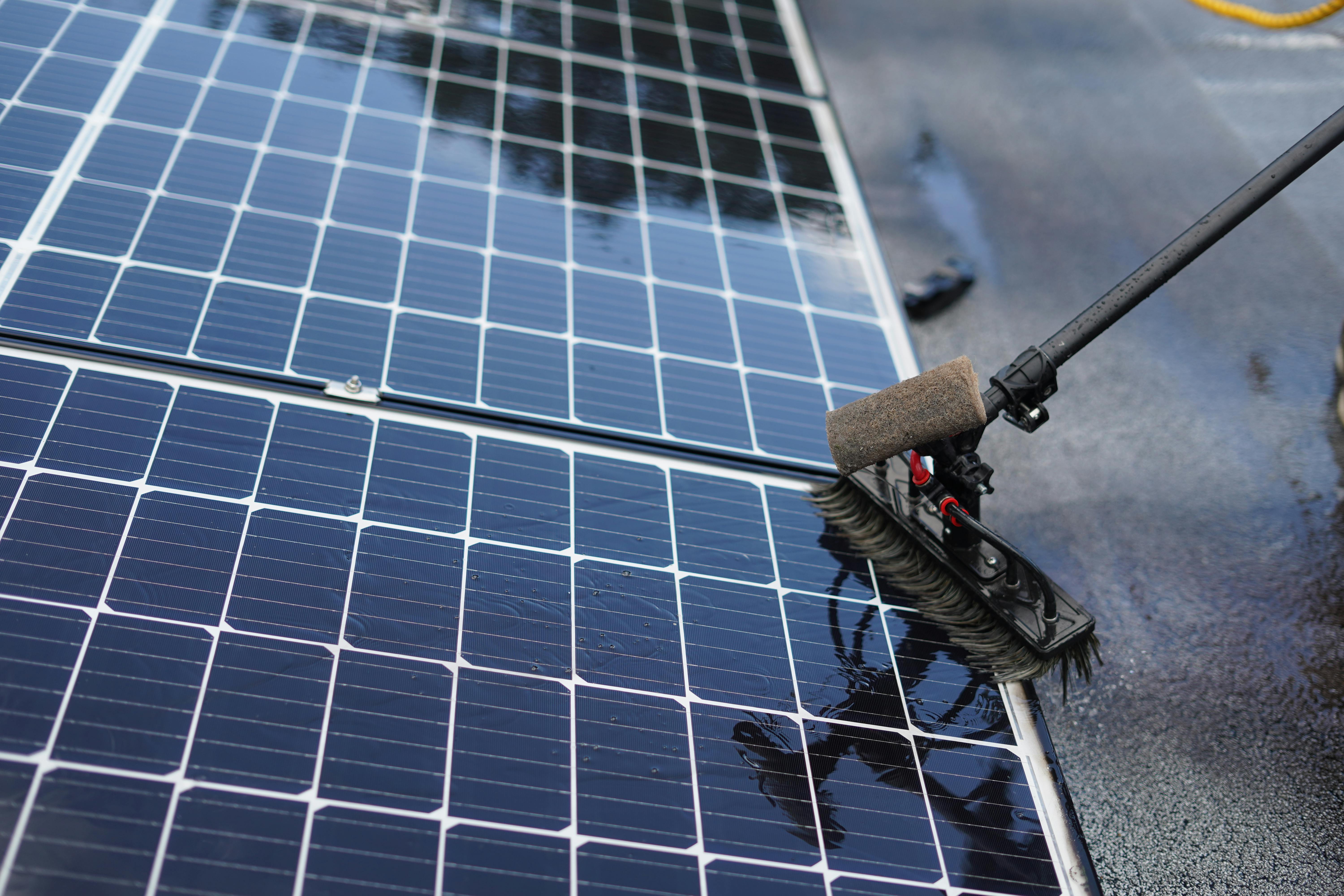
Solar energy systems are designed to operate outdoors for decades, yet constant exposure to the elements can slowly reduce their performance. Dust, pollen, bird droppings, pollution, and rainwater residue all settle on the surface of panels, blocking sunlight and lowering output. While regular cleaning helps, newer surface technologies are providing a more consistent solution. Advanced protective coatings are now playing a key role in keeping panels cleaner, drier, and more efficient with less ongoing maintenance.
Why Surface Contamination Impacts Solar Performance
Solar panels rely on unobstructed sunlight to generate electricity. Even a thin layer of dirt or mineral residue can scatter light or prevent it from reaching the photovoltaic cells beneath the glass. Studies have shown that light soiling can lead to noticeable efficiency losses, especially in dry or high-pollution environments where particles accumulate quickly.
Water can also contribute to the problem. After rainfall or cleaning, mineral deposits are often left behind as droplets evaporate. Over time, these residues create uneven patches that further reduce light transmission. In coastal or industrial areas, airborne contaminants accelerate the buildup, making frequent cleaning necessary just to maintain expected output levels.
How Advanced Coating Technologies Work
Modern protective layers are engineered at a microscopic level to change how surface materials interact with the panel glass. Instead of allowing dirt and water to cling, these coatings create surfaces that repel contaminants or prevent them from bonding strongly.
Hydrophobic coatings cause water to bead and roll off the panel, carrying dust and particles with it. Hydrophilic variants spread water evenly across the surface, allowing thin sheets of water to wash away debris without leaving streaks or mineral spots. Some advanced solutions combine both properties depending on environmental needs.
A well-designed solar panel coating also enhances light transmission by reducing surface reflection. This allows more sunlight to enter the panel even when environmental conditions are less than ideal, improving overall energy collection.
Reducing Cleaning Frequency and Maintenance Costs
One of the biggest advantages of advanced surface treatments is the reduction in manual cleaning. Traditional solar installations often require scheduled washing, especially in regions with heavy dust, pollen, or limited rainfall. These cleanings add labor costs and, in large arrays, may require specialized access equipment.
Protective coatings minimize buildup between cleanings by preventing contaminants from sticking in the first place. When dirt does settle, it is more easily removed by rain or light rinsing. Over time, this reduced maintenance demand translates into lower operational costs and less wear on panel surfaces caused by repeated scrubbing.
For homeowners, fewer cleanings mean less time spent maintaining rooftop systems. For commercial and utility scale installations, the savings are even more significant, helping improve long term return on investment.
Improving Performance in Challenging Environments
Certain climates see faster energy losses due to environmental conditions. Desert regions experience heavy dust accumulation. Agricultural areas deal with pollen and organic particles. Coastal zones often face salt spray and humidity that leave corrosive residues behind.
Advanced coatings are tailored to address these challenges. Anti static properties prevent fine particles from settling easily. UV-resistant formulas protect the glass surface from long-term degradation caused by constant sun exposure. Some coatings even inhibit fungal or biological growth, which can be an issue in humid environments.
By maintaining a cleaner, more transparent surface, panels in these difficult settings retain higher efficiency levels throughout the year, rather than experiencing gradual declines between cleaning cycles.
Longevity and Protection for Solar Panel Surfaces
Beyond improving cleanliness, advanced coatings also act as a protective barrier for the panel glass itself. They can reduce microscopic scratching caused by windblown particles and lower the risk of abrasion during cleaning. This protection helps preserve the optical clarity of the panel surface over its lifespan.
Many modern coatings are designed to last several years before reapplication is needed, making them a long-term solution rather than a temporary fix. When paired with proper installation and system monitoring, they contribute to more stable performance over time.
As solar technology continues to evolve, surface engineering is becoming just as important as cell efficiency. By addressing dirt, water, and environmental exposure at the surface level, advanced coatings help systems deliver closer to their full potential year after year.
In an industry focused on maximizing output and reliability, these innovations are proving to be a valuable addition for both residential and commercial solar installations.