
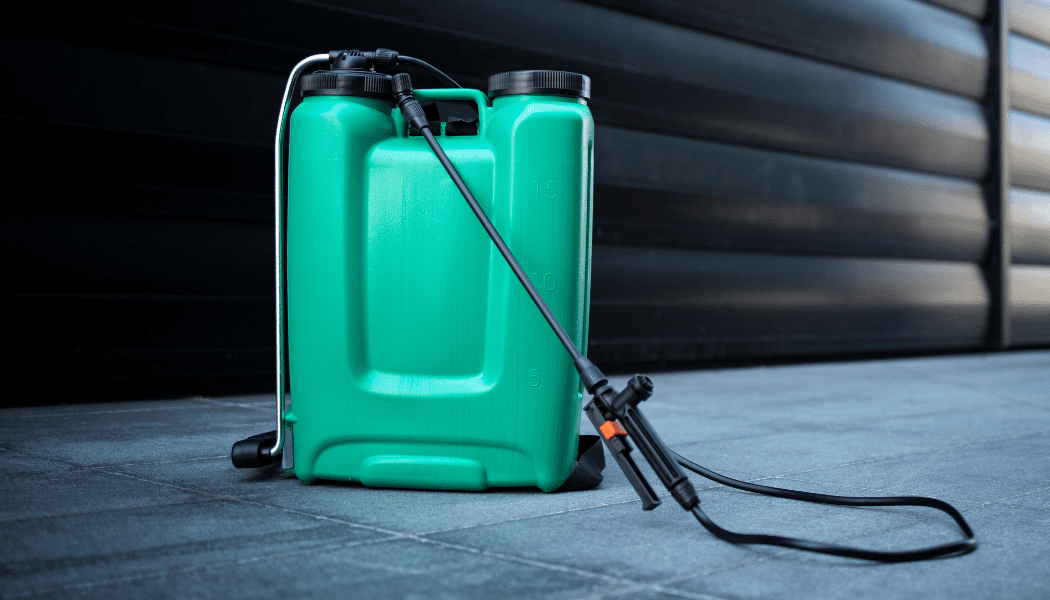
For most of the world, a sprayer is a tool for spring. It’s for fertilizing lawns, controlling weeds, and keeping pests off the roses. When the first frost hits, the typical homeowner winterizes their sprayer, shoves it in the back of the shed, and forgets about it until March. But for a professional contractor, landscaper, or facilities manager, there is no off-season. There is only the next season.
In a professional operation, your equipment can’t just hibernate for four months. It’s a high-value asset, and it needs to be a twelve-month, high-ROI workhorse. This is where the amateur and the pro divide. A cheap, plastic, big-box-store sprayer will crack, freeze, and fail in a 20-degree ice storm. A pro, on the other hand, knows that investing in high-quality, four-season commercial spray equipment is the key to a profitable, year-round business.
The winter is not a slow season; it’s a strategic one. And your sprayer is the key to unlocking new, high-demand revenue. Here’s how.
1. The Two Big Jobs: Liquid De-Icing and Anti-Icing
This is, by far, the biggest and most profitable winter market for spray equipment. For decades, winter safety meant one thing: scattering granular rock salt with a spreader.
The problem? Rock salt is a reactive solution. It’s inefficient, it’s messy (bouncing into planters and lawns), and it has to dissolve before it can work.
The modern, professional solution is liquid. A brine—a salt-and-water solution—is the A-team of ice management. And the only way to apply it is with a sprayer.
The De-Icing (Reactive) Job: When ice or packed snow is already on the ground, a liquid brine works significantly faster than rock salt. Because it’s already a liquid, it begins to melt the ice on contact, with no wait time for dissolving. A facilities manager with a truck-mounted sprayer or a heavy-duty push-sprayer can treat a client’s parking lot in half the time, getting it bare and wet and liability-free.
The Anti-Icing (Proactive) Job: This is the real pro move. Anti-icing is a pre-treatment. You use a sprayer to apply a thin, even coat of liquid brine to the sidewalks and parking lot before the storm hits. When the snow starts to fall, it melts on contact. This prevents the bond of ice from ever forming with the pavement in the first place.
This is a premium, high-value service that a guy with a spreader cannot offer. It requires a calibrated, professional spray rig that can lay down a precise, even coat. It’s a massive upsell that positions you as a high-tech, proactive safety partner.
2. The Green Industry Goldmine: Dormant Horticultural Spraying
This is the key to off-season revenue for any professional landscaping or lawn-care company.
The Problem: Your clients’ high-value, ornamental trees (like Japanese maples, dogwoods, or fruit trees) are under a silent attack all winter. Pests like scale, mites, and adelgids are not gone; they are just dormant. They are hiding in the bark, as microscopic eggs, waiting for spring to hatch and destroy the new, tender growth.
The Winter Solution: Winter is the best time to fight back. With all the leaves gone, the tree’s skeleton is 100% exposed. This is the only time of year you can get a 100%, direct-to-bark application of dormant oil.
The Why: A high-pressure, high-volume spray rig (often with a tree gun) is essential. It’s the only way to get the fine, atomized mist of dormant oil into every crack and crevice of the tree, from the trunk to the 30-foot-high tips.
This is a service that must be done in the dormant season. It’s a win-win: you are solving a massive, future problem for your high-value clients, and you are keeping your most expensive spray rigs (and your best technicians) busy and generating revenue in December, January, and February.
3. The Asset Protection Plan: Fleet & Equipment Wash-Downs
Sometimes, the sprayer is the tool for protecting your other tools.
The Problem: The single biggest, most expensive threat to your winter-service fleet—your plow trucks, your salt-spreaders, your skid-steers—is corrosion. That sticky, corrosive, salt-and-brine slush is a cancer for steel. It gets into your frame, your wiring harnesses, and your hydraulics.
The Solution: A post-shift wash-down is not optional; it’s a non-negotiable maintenance policy.
The Why: This is a job for a different kind of sprayer: a high-pressure, hot-water pressure washer. At the end of a 12-hour snow-plowing shift, that truck must be cleaned. A high-pressure sprayer is the only tool that can blast the caked-on salt from the undercarriage, the wheel wells, and the spreader bin.
This is a defensive use of a sprayer. A $3,000 pressure-washing system is the insurance policy that protects your $250,000 plow-truck fleet from rusting into oblivion. As any fleet manager will tell you, the real cost of winter is in the rust-repair you have to do in the spring.
Your equipment doesn’t have to be a seasonal asset. It’s a 12-month investment. By choosing high-quality, durable, and versatile equipment, you are not just buying a tool; you are buying a four-season business.