
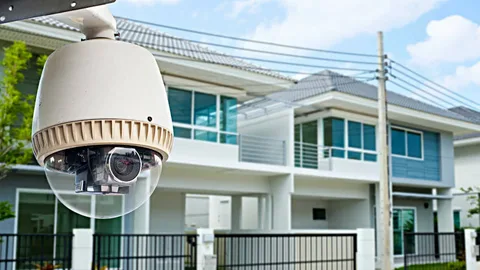
A well-designed system of home security surveillance cameras does more than record footage: it deters crime, provides timely alerts, and delivers usable evidence when something happens. When planned and installed professionally, home security surveillance cameras become a manageable, privacy-aware tool that improves safety without creating endless noise or maintenance headaches. This guide walks you through how to plan camera coverage, choose the right sensors for each scene, balance storage and privacy, integrate analytics sensibly, and maintain a system that continues to work year after year.
Start by defining what “good” looks like for your home
Too many camera projects begin with buying a handful of devices and mounting them where there’s a clear view. A better approach is to define objectives first. Do you want to deter porch package theft, capture license plates at the driveway, monitor entryways for visitor verification, or provide general perimeter awareness? Each objective has different technical requirements: identity capture needs high-resolution close-range cameras, license-plate capture asks for narrow-field optics and higher frame rates, and general perimeter monitoring values wide-angle context cameras with motion analytics. Defining goals up front keeps the design efficient and delivers footage you can actually use.
Match camera types and optics to the scene, not to the brand
Cameras differ in sensor size, lens focal length, dynamic range, and low-light performance. A single “one-size-fits-all” camera rarely performs well across all scenes. For front doors and porches, choose sensors with strong HDR so faces remain visible even with backlighting from streetlights or sun. For driveway or gate capture, select cameras with enough resolution and focal length to read plate characters at your typical vehicle distance. For backyard or open-yard coverage a wide-angle, weatherproof dome may be the right fit to give situational context. Thinking in terms of the scene instead of a preferred brand makes your home security surveillance cameras actually useful.
Lighting is the limiting factor for usable images — plan for it
Camera sensors can only do so much with poor lighting. Daytime performance is usually fine, but dawn, dusk, and artificial light create the real problems. A smart design for home security surveillance cameras reviews ambient lighting and plans supplementary illumination where necessary. That may mean a warm white floodlight with a motion trigger for the driveway, IR-capable cameras with adjustable illumination for darker areas, or simply repositioning fixtures to avoid direct glare into the lens. The goal is consistent, legible images across the day-night cycle so your recordings are evidence-grade when you need them.
Placement, sightlines, and tamper resistance matter more than megapixels
Where you mount cameras affects usability, privacy, and resilience. Place cameras to cover choke points—entry doors, gates, and windows that an intruder would use—rather than pointing them generically at the yard. Mount heights should balance identity capture with tamper resistance: too low invites vandalism, too high loses facial detail. Consider concealment or vandal-proof housings for exposed cameras. Also pay attention to lines of sight: avoid mounting near reflective surfaces or behind thin foliage that creates false triggers when wind moves leaves. Good placement reduces false alerts and increases the proportion of useful clips.
Balance storage, retention, and privacy with a clear policy
Deciding where and how long to keep footage is as important as camera selection. Many homeowners default to cloud storage for convenience, but on-site Network Video Recorders (NVRs) provide stronger privacy control and lower recurring costs. Hybrid approaches—store a rolling local archive and push verified clips of events to the cloud—combine the best of both worlds. Whatever you choose, document the retention policy: how long clips are kept, who can access them, and how they are exported. A clear policy simplifies compliance with neighborhood expectations and legal requests and reduces the temptation to hoard footage indefinitely.
Analytics should reduce noise, not add it
Modern analytics—people/vehicle detection, tripline rules, and package detection—can turn a firehose of motion clips into a small set of actionable events. However, poorly tuned analytics create alert fatigue. Configure analytics based on the objective: use a perimeter tripline for driveway alerts and a tighter identity region for front-door captures. Avoid enabling every feature on every camera; instead use analytics where they add true value. Test and tune during commissioning so your home security surveillance cameras notify you about real events rather than every passing squirrel.
Network design and cybersecurity are part of camera reliability
Today’s cameras are network devices and need a reliable, secure network path. Place cameras on a segmented VLAN or IoT SSID with restricted access to limit lateral movement if a device is compromised. Ensure adequate upstream bandwidth for concurrent live streams, and provision the Wi-Fi or wired backhaul with redundancy where possible. Change default passwords, keep firmware updated, and use reputable vendors that provide signed firmware images. Network and security planning during installation make home security surveillance cameras resilient to outages and attacks.
Integration with other systems: alarms, access control, and automations
Cameras become exponentially more useful when they integrate with door locks, alarms, and lights. A verified door unlock or alarm event can trigger recording and send a snapshot to the homeowner; conversely, an intelligently filtered camera alert can nudge an alarm panel to escalate only when multiple sensors correlate. During the design phase, decide what integrations are meaningful for you and keep the automation rules conservative: a false alarm that arms or unlocks doors is worse than no automation at all.
Commissioning and testing — the phase most people skip but shouldn’t
Commissioning turns an installed system into an operational one. A rigorous commissioning sequence for home security surveillance cameras checks framing at day and night, verifies IR and floodlight behavior, validates network and storage failover, performs retrieval and export tests, and tunes analytics thresholds. It also documents baseline performance—resolution, frame rates, and illumination levels—so future degradation is detectable. The commissioning report is the single best deliverable you can get from a professional installer because it provides a snapshot of “how it worked when new.”
Maintenance and lifecycle planning keep the system useful
Cameras require periodic attention: clean lenses, verify mounts, trim vegetation that grows into sightlines, and test that firmware updates have not changed behavior. For outdoor units check seals and gaskets seasonally and verify drains for condensation. Keep a small spare-parts kit for quick swaps of common components. A modest maintenance plan saves far more time and frustration than reactive, emergency fixes after a failure.
Legal and privacy considerations you must respect
Laws about audio recording, neighbor privacy, and public-space surveillance vary by jurisdiction. Avoid pointing cameras into neighbors’ private spaces or public sidewalks in ways that could raise legal issues. If audio is enabled, check local regulations—many places restrict audio recording without consent. When in doubt, use privacy masking features and limit retention to the minimum required for your use case. Transparent signage where appropriate can also reduce liability and maintain neighborhood trust.
Choosing a provider and what good service looks like
A good home security surveillance cameras provider does a site survey, produces a coverage map with expected field-of-view images, recommends camera models by scene, documents storage and retention options, and includes commissioning and a maintenance proposal. Ask for sample day/night captures from the proposed mounting positions and require a written commissioning report as part of the contract. A trustworthy installer also offers clear support SLAs and an upgrade path as your needs evolve.
Final thoughts
Home security surveillance cameras deliver real value when they are designed around clear objectives, matched to scene conditions, and installed with attention to lighting, network security, and privacy. Avoid the trap of buying devices first and thinking through goals later; instead, start with the questions that matter, tune analytics sensibly, and insist on commissioning and maintenance. With that approach, your camera system will be a practical tool that enhances safety and peace of mind without becoming a nuisance.