
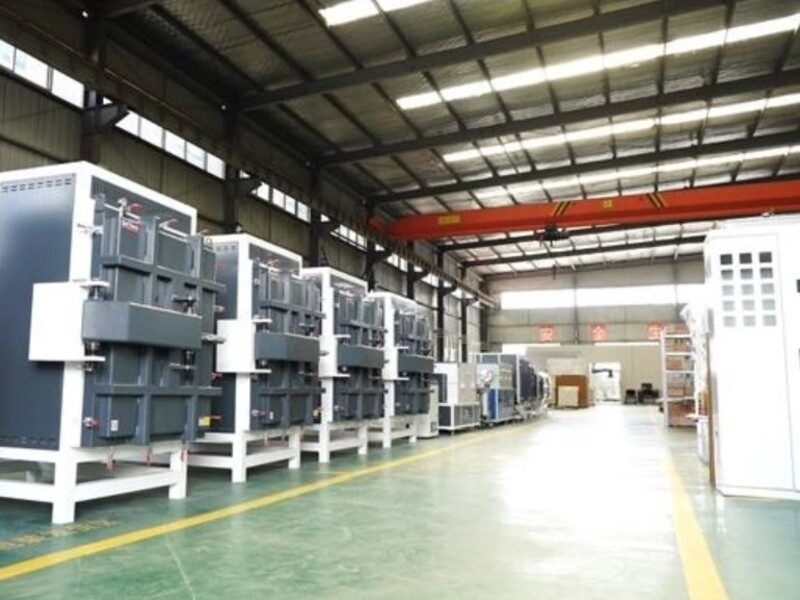
The global transition toward sustainable energy infrastructure has placed advanced fuel cell technologies at the absolute forefront of industrial innovation. Among these, Solid Oxide Fuel Cells, widely known as SOFCs, represent a highly efficient and versatile solution for generating clean electricity from various fuel sources, including hydrogen and biogas. However, the commercial viability and mechanical integrity of these power generation systems depend heavily on the specialized thermal processing equipment used during their production. Manufacturing a high-performance fuel cell assembly requires precise thermal cycles to bond ceramic and metallic layers without causing structural defects or micro-fissures. This is where partnering with an experienced SOFC Stack Sintering Furnace Manufacturer becomes a critical strategic advantage for energy tech enterprises. Achieving the perfect bond between the electrolyte, anode, cathode, and interconnect layers demands absolute temperature uniformity and specialized atmospheric controls that standard thermal units simply cannot provide. By implementing state-of-the-art co-firing and joining processes, global manufacturers can significantly increase their production yields while ensuring the long-term operational durability of their fuel cell components. Advanced thermal processing systems allow for the precise crystallization of ceramic matrices and the secure sealing of glass-ceramic interfaces, which prevents gas leakage during high-temperature operations. As global industries demand more reliable decentralized power grids, the role of specialized thermal equipment suppliers continues to expand exponentially.
Comprehensive Technology Explanation of Solid Oxide Fuel Cells
Understanding the intricate mechanism of a Solid Oxide Fuel Cell stack reveals why the manufacturing process demands such precise thermal parameters. An SOFC operates at high temperatures, typically between 500 and 1000 degrees Celsius, using a solid ceramic material as the electrolyte to conduct negative oxygen ions from the cathode to the anode. The electrochemical reaction combines these oxygen ions with hydrogen or hydrocarbon fuels at the anode, generating electricity, water, and heat as direct outputs. Because individual fuel cells produce a relatively low voltage, manufacturers stack multiple cells together using metallic or ceramic interconnects to achieve the power output necessary for commercial installations. The entire multi-layer assembly must remain completely airtight and structurally sound across thousands of thermal cycles during its operational lifespan. During the initial production stages, raw ceramic tapes and screen-printed electrodes must undergo a meticulous thermal processing sequence to remove binder materials and density the crystalline structure. Without precise control over the heating rates and chemical atmospheres, different thermal expansion coefficients among the layered materials will cause delaminating or catastrophic failure. Consequently, the specialized furnace must manage complex chemical transitions within the material matrix while transitioning smoothly through various temperature plateaus.
System and Mechanism Breakdown of Sintering Furnaces
The operational architecture of a modern sintering system designed for solid oxide components relies on a sophisticated integration of heating elements, insulation matrices, and gas management networks. High-purity molybdenum disilicide or silicon carbide heating elements are strategically positioned throughout the internal chamber to guarantee exceptional thermal uniformity across all three spatial dimensions. The furnace lining utilizes advanced ultra-low-density alumina fiber insulation, which minimizes thermal mass and permits rapid, highly controlled cooling rates when necessary. To manage the complex binder burnout phase, the system incorporates dedicated exhaust systems that safely evacuate volatilized organic compounds before the high-temperature densification stage begins. Sophisticated mass flow controllers regulate the injection of precise gas mixtures, including nitrogen, hydrogen, argon, or synthetic air, depending on the exact material requirements of the fuel cell stacks. The mechanical loading system must also support heavy stack configurations while maintaining uniform pressure across the assembly during the firing process. This balanced pressure application ensures that the interconnects and glass seals form a completely gas-tight barrier without crushing the delicate ceramic substrates underneath.
Product Features and Technical Details of Advanced Firing Units
When examining the technical specifications of top-tier industrial sintering systems, the level of engineering precision becomes immediately apparent. Modern units feature multi-zone temperature control loops driven by advanced programmable logic controllers and high-precision digital SCR power regulators. These systems can maintain an absolute temperature tolerance of less than one degree Celsius across the entire heating workspace at temperatures exceeding 1100 degrees Celsius. Advanced oxygen sensors continuously monitor the partial pressure of oxygen within the process chamber, allowing real-time adjustments to the reducing or oxidizing qualities of the atmosphere. The structural outer shell utilizes a double-walled, water-cooled design that ensures low skin temperatures for operator safety and prevents thermal distortion of the structural frame over years of continuous operation. Additionally, integrated data logging software tracks every processing variable, providing full traceability for quality assurance programs and regulatory compliance. Heavy-duty hearth mechanisms, whether utilizing automated car bottoms or lift-bottom designs, allow for the smooth, vibration-free movement of green stack components into the heated zone.
Material and Build Quality Standards for High-Temperature Equipment
The rigorous demands of industrial thermal processing necessitate the selection of premium-grade structural and insulation materials that resist degradation over extended periods. The internal framework of the furnace chamber utilizes high-purity alumina or specialized refractory alloys that exhibit zero out gassing and excellent resistance to chemical attack from volatile binders. Every structural weld undergoes strict non-destructive testing to verify atmospheric integrity, especially in units engineered for hazardous or flammable gases like hydrogen. The heating element connections are protected by heavy-duty ventilation shrouds and terminal blocks to prevent oxidation and ensure stable electrical resistance over thousands of hours of operation. To support the heavy mass of multi-layered fuel cell assemblies, the furnace hearth is constructed from dense, silicon-carbide-reinforced materials that maintain high load-bearing capacity without sagging or warping at peak processing temperatures. This uncompromising approach to material selection directly correlates with reduced maintenance downtime and an extended overall operational lifespan for the manufacturing facility.
The Integration of Custom Industrial Brazing Furnaces
In many advanced manufacturing setups, the processes of sintering ceramics and brazing metallic components are closely integrated or performed within similar specialized machinery. Utilizing custom industrial brazing furnaces engineered specifically for fuel cell applications allows production teams to transition smoothly from initial substrate densification to the final sealing of metallic interconnects. These custom-tailored systems offer the distinct advantage of multi-atmosphere capabilities, meaning a single unit can process delicate oxide ceramics under air and subsequently transition to a reducing atmosphere for flux-free metal joining. By customizing the internal dimensions, heating element zoning, and cooling paths, manufacturers can perfectly match their specific throughput requirements and physical facility layouts. This custom approach also eliminates the compromises associated with standard, off-the-shelf industrial kilns, which often lack the precise cooling curves needed to prevent thermal shock in fragile ceramic-to-metal joints. Furthermore, custom engineering allows for the seamless integration of advanced load-cell monitoring systems that track real-time physical compression forces within the stack during the critical phase when glass seals soften and bond.
Innovation Insights and Future Technological Development
The rapid evolution of the clean energy landscape continues to drive significant technological innovations within the industrial furnace sector. One of the most promising areas of development is the integration of artificial intelligence and machine learning algorithms into the furnace control architecture. By analyzing historical processing data alongside real-time sensor feedback, these smart systems can dynamically adjust heating profiles to compensate for slight variations in the green density of incoming ceramic components. Researchers are also exploring the use of hybrid microwave-assisted sintering systems, which combine traditional radiant heating with microwave energy to achieve rapid, volumetric heating of ceramic substrates. This approach has the potential to reduce overall processing times by up to fifty percent while significantly improving the grain structure and mechanical strength of the sintered electrolyte layers. Additionally, advancements in ultra-high-temperature insulation materials are enabling the design of even more energy-efficient furnaces, reducing the carbon footprint of the manufacturing facility itself and aligning the production process with the sustainable ethos of the fuel cell industry.
Practical Use and Application Profiles in Energy Manufacturing
The real-world deployment of advanced sintering furnaces spans across various sectors of the clean energy industry, from research institutes to gig watt-scale automated manufacturing plants. In commercial production facilities, these units are responsible for processing large batches of planar or tubular fuel cell designs destined for stationary power generation plants, data center backup systems, and micro grids. They are also increasingly utilized by automotive manufacturers developing solid oxide auxiliary power units for heavy-duty transport vehicles and maritime applications. In these high-stakes industries, even a minor variance in fuel cell performance can lead to significant efficiency losses or premature stack degradation in the field. Therefore, the sintering system serves as the ultimate quality gateway, establishing the baseline mechanical and electrochemical integrity of the entire power generation asset. By maintaining absolute process consistency, manufacturers can confidently supply fuel cell stacks that operate continuously for tens of thousands of hours without significant voltage decay.
Comprehensive Comparison: Specialized vs. Traditional Industrial Furnaces
Evaluating the performance vectors of specialized thermal processing systems against traditional industrial kilns highlights why general-purpose equipment is fundamentally inadequate for advanced fuel cell fabrication. Traditional kilns lack the intricate atmospheric controls required to manage the highly sensitive reduction-oxidation reactions that occur within ceramic electrodes. Furthermore, their typical temperature variance across the heating chamber can lead to uneven shrinkage rates, resulting in warped or structurally compromised fuel cells that fail internal leak tests. Specialized systems, by contrast, feature highly responsive multi-zone heating configurations that adapt instantly to localized thermal variations, ensuring uniform structural shrinkage across all dimensions. The ability to program precise, multi-step cooling curves is another critical differentiator, as traditional furnaces cool too slowly or too unevenly, inducing severe internal residual stresses that crack the fragile glass-ceramic seals used in modern stack designs. Specialized SOFC firing systems maintain automated, real-time load tracking and dynamic compression adjustment throughout the entire heat cycle, whereas standard refractory kilns only provide stationary static loading without any form of active feedback.
Critical Buying and Selection Guide for Procurement Teams
Selecting the appropriate thermal processing equipment requires a thorough evaluation of both current production demands and future scalability requirements. Engineering and procurement teams must carefully assess the furnace manufacturer’s experience with specialized atmosphere control and precise mechanical loading mechanisms. It is essential to choose a supplier that offers comprehensive process simulation services, allowing you to test specific material formulations and stack designs before finalizing the equipment architecture. Key considerations should include the maximum continuous operating temperature, the total usable heating volume, and the compatibility of the internal components with aggressive binder out gassing byproducts. Furthermore, the availability of global technical support, rapid spare parts sourcing, and on-site calibration services should weigh heavily in the final decision-making process. Investing in a system with modular heating and automation capabilities can also safeguard your capital investment, enabling straightforward capacity expansions as market demand for fuel cell systems grows.
Price vs. Value Analysis for Industrial Capital Investments
While the initial capital expenditure for a customized high-precision sintering unit is undeniably higher than that of standard industrial thermal equipment, the long-term return on investment is substantial. High-performance furnaces directly influence the primary profitability metrics of a manufacturing facility by maximizing production yields and minimizing the percentage of scrapped or defective stacks. The superior energy efficiency of advanced insulation materials and modern SCR power control systems also translates into lower utility costs over extended production campaigns. When you factor in the reduced frequency of maintenance interventions and the extended lifespan of premium heating elements, the total cost of ownership over a ten-year operational window is often significantly lower than that of cheaper, less precise alternatives. In the highly competitive clean energy marketplace, the ability to consistently deliver zero-defect products with superior operational lifespan establishes a formidable brand reputation that far outweighs any initial equipment cost savings.
Troubleshooting Common Problems in Stack Thermal Processing
Manufacturing multi-layered ceramic and metal assemblies inherently involves navigating a variety of complex chemical and mechanical challenges during the firing cycle. One of the most frequent issues encountered by production teams is the occurrence of edge cracking or delaminating, which typically points to improper binder burnout parameters or excessive heating rates during the organic phase transition. Another common challenge is the degradation of the internal heating elements or sensor components due to the corrosive nature of specific binder formulations. Advanced sintering systems mitigate these issues by incorporating proactive purge cycles and localized extraction hoods that draw volatile gases away from critical furnace infrastructure. Uneven shrinkage or localized warping can usually be traced back to subtle temperature gradients within the heating chamber, requiring precise recalibration of the individual heating zones or adjustments to the stack loading configuration. By utilizing integrated diagnostic software and working closely with your equipment partner, technical teams can rapidly isolate variables and restore optimal processing conditions. Get more info about Custom Industrial Brazing Furnaces.
Strategic Considerations in Thermal Processing Equipment Selection
When long-term manufacturing performance is the goal, selecting the right machinery means evaluating how well an apparatus functions under relentless industrial conditions. High-temperature applications can quickly degrade low-grade refractory elements, which mean that robust structural validation is just as crucial as digital control accuracy. Production managers must ensure that the inner heating chamber layout accounts for gas flow dynamics so that thermal energy reaches every component uniformly without causing structural hot spots. This deep attention to mechanical and thermal harmony is why top-tier producers consistently invest heavily in specialized engineering setups. Ultimately, moving beyond the limitations of pre-configured machinery helps plants scale up production while keeping operational failure rates remarkably low, proving that the highest level of detail in structural engineering is non-negotiable for commercial success.
Here is some SOFC Stack Sintering Furnace available online:
1. Glass to Metal 8 Zones Chain Vitrification Furnace
The 1200°C split tube furnace is a highly adaptable laboratory thermal processing system engineered for chemical vapor deposition, materials research, and semiconductor treatment. The defining feature of this furnace is its hinged, split-body construction, which opens smoothly on a heavy-duty rear latch. This design grants technicians direct access to the quartz or alumina work tube, enabling quick tube replacements, simplified sample loading, and rapid cooling cycles that dramatically improve laboratory turnaround times.
Operating up to a maximum continuous temperature of 1200°C, the furnace relies on high-performance resistance wire heating elements securely embedded within low-thermal-mass ceramic fiber insulation to ensure rapid thermal response and high energy efficiency. Equipped with gas-tight stainless steel vacuum flanges, the system supports processing under deep vacuum or within strictly metered flows of protective gases like argon, nitrogen, or hydrogen to prevent surface oxidation. Managed by digital programmable PID controllers, the furnace delivers highly accurate ramp rates and precise soaking times for flawless experimental repeatability across diverse testing applications.
2. 12 Zones Continuous Electronic Paste Sintering Furnace
The 1200°C multi-zone split tube furnace is an advanced laboratory thermal processing system engineered for chemical vapor deposition, semiconductor processing, and materials research. The defining feature of this furnace is its hinged, split-body construction, which opens smoothly on a heavy-duty rear latch. This configuration grants technicians direct access to the quartz or alumina work tube, enabling quick tube replacements, simplified sample loading, and rapid cooling cycles that dramatically improve laboratory turnaround times.
Operating up to a maximum continuous temperature of 1200°C, the furnace features multiple independently controlled heating zones along the length of the chamber. This multi-zone architecture allows researchers to either maintain a highly uniform temperature profile across an extended length or intentionally establish a precise thermal gradient. High-performance resistance wire heating elements are embedded within low-thermal-mass ceramic fiber insulation to ensure rapid thermal response and high energy efficiency. Equipped with gas-tight stainless steel vacuum flanges, the system supports processing under deep vacuum or within strictly metered flows of protective gases like argon, nitrogen, or hydrogen. Managed by digital programmable PID controllers, the furnace delivers highly accurate ramp rates and precise soaking times for flawless experimental repeatability.
3. 200~1000℃ 8 Zones Chain Continuous Sintering Kiln Furnaces
The 1200°C multi-zone split tube furnace is an advanced laboratory thermal processing system engineered for chemical vapor deposition, semiconductor processing, and materials research. The defining feature of this furnace is its hinged, split-body construction, which opens smoothly on a heavy-duty rear latch. This configuration grants technicians direct access to the quartz or alumina work tube, enabling quick tube replacements, simplified sample loading, and rapid cooling cycles that dramatically improve laboratory turnaround times.
Operating up to a maximum continuous temperature of 1200°C, the furnace features multiple independently controlled heating zones along the length of the chamber. This multi-zone architecture allows researchers to either maintain a highly uniform temperature profile across an extended length or intentionally establish a precise thermal gradient. High-performance resistance wire heating elements are embedded within low-thermal-mass ceramic fiber insulation to ensure rapid thermal response and high energy efficiency. Equipped with gas-tight stainless steel vacuum flanges, the system supports processing under deep vacuum or within strictly metered flows of protective gases like argon, nitrogen, or hydrogen. Managed by digital programmable PID controllers, the furnace delivers highly accurate ramp rates and precise soaking times for flawless experimental repeatability.
4. 1100℃ 7 Zones Electric Continuous Sintering Kiln Furnaces
The 1100°C 7-zones electric continuous sintering kiln furnace is a high-efficiency industrial thermal processing system engineered for the continuous firing and sintering of technical ceramics, thick-film electronics, and powder metallurgy parts. By shifting production from batch processing to an automated, continuous conveyor setup, this kiln maximizes material throughput, optimizes energy utilization, and ensures high product consistency across high-volume manufacturing operations.
The defining characteristic of this kiln is its split configuration into seven independently regulated thermal zones along a heavy-duty, heat-resistant conveyor belt. This seven-zone layout grants process engineers absolute control over the continuous thermal profile. Early zones provide a gradual preheating phase to safely extract moisture and decompose organic binders. The core zones ramp up to the peak 1100°C sintering threshold, where high-quality resistance wire heating elements deliver uniform radiant heat to densify materials. The final zones execute a controlled cooling curve to anneal the components, relieving internal stresses and preventing micro-cracking.
5. 1100℃ Chain Furnace for Glass and Metal Encapsulation
The 1100°C chain furnace for glass and metal encapsulation is a continuous industrial thermal processing system engineered specifically for high-precision glass-to-metal sealing and hermetic packaging. Essential for manufacturing aerospace connectors, medical implants, and automotive sensors, this furnace melts glass performs at precise temperatures to form a leak-tight chemical or mechanical bond with metal housings, protecting internal electronics from harsh environments.
The defining feature of this system is its automated, heavy-duty chain conveyor transport mechanism, which moves components smoothly through an elongated tunnel split into independent thermal zones. This layout gives process engineers absolute control over the continuous thermal profile. The initial zones provide a controlled preheat to safely eliminate moisture and prevent thermal shock. The core zones reach the peak 1100°C threshold, where premium resistance heating elements lower the glass to its optimal working viscosity so it perfectly wets the metal surfaces. The final zones execute a strictly monitored cooling profile to anneal the glass and dissipate internal residual stresses.
Conclusion and Final Outlook on Clean Energy Infrastructure
As the demand for decentralized clean power generation scales globally, the equipment driving fuel cell production must evolve in lockstep to support mass commercialization. Developing an efficient manufacturing ecosystem relies completely on eliminating unpredictable structural defects through highly repeatable and verifiable firing cycles. By embracing advanced furnace designs that integrate dynamic physical loading with complex atmosphere control, clean energy enterprises can significantly drive down production costs while elevating the operational lifespan of their core stack offerings. This balanced approach to advanced thermal engineering ensures that the fuel cell sector can confidently meet the rigorous performance expectations of modern industrial grids. Finding the right tech strategy means relying on top-tier equipment that bridges the gap between laboratory perfection and high-volume factory outputs. To maximize these operational benefits, working alongside an established custom industrial brazing furnaces partner remains the most secure path toward future-proofing your thermal manufacturing infrastructure.