
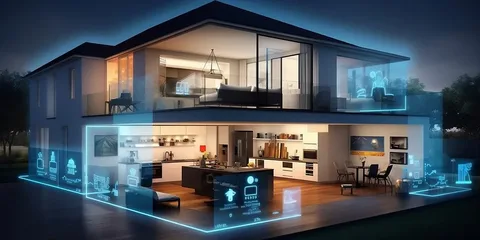
Smart home technology has transformed modern living. From voice-controlled lighting and automated climate systems to intelligent security cameras and connected appliances, technology has become an essential part of contemporary homes. However, as smart devices become more common, homeowners and designers are facing a new challenge: how to integrate advanced technology without compromising aesthetics.
This challenge has given rise to one of the most exciting trends in residential design—hidden tech homes. Rather than displaying gadgets, screens, and visible wiring throughout a property, designers are increasingly finding ways to conceal technology within walls, furniture, ceilings, and architectural elements. The goal is simple: enjoy the convenience of smart living while maintaining clean, elegant, and clutter-free interiors.
As technology continues to evolve, invisible smart home design is becoming a defining characteristic of luxury residences and modern architectural projects worldwide.
What Is Invisible Smart Home Design?
Invisible smart home design refers to the seamless integration of technology into a home’s architecture and interiors. Instead of making technology the focal point, designers hide devices and systems so they blend naturally into the environment.
In a hidden tech home, homeowners may use sophisticated technology every day without actually seeing most of it. Smart speakers can be concealed inside walls, televisions can disappear into furniture, and lighting systems can be embedded into architectural features.
The concept focuses on creating spaces that feel warm, inviting, and timeless while still delivering all the benefits of modern automation.
Why Homeowners Are Embracing Hidden Technology
For many years, smart homes were associated with visible gadgets, control panels, and electronic devices. While these technologies offered convenience, they often disrupted carefully designed interiors.
Today’s homeowners want something different. They want homes that feel peaceful and uncluttered without sacrificing functionality.
Several factors are driving the popularity of hidden technology:
Cleaner Aesthetics
Visible electronics can sometimes create visual clutter. Concealed systems allow designers to maintain a minimalist and sophisticated appearance.
Better User Experience
Technology works best when it feels natural. Hidden systems allow users to interact with their homes effortlessly without constantly noticing the devices themselves.
Increased Property Value
Luxury buyers increasingly expect integrated smart-home features. Invisible technology can enhance a property’s appeal while preserving its architectural character.
Future-Proof Design
Many hidden technology solutions can be upgraded without major changes to interior design, making homes more adaptable over time.
Hidden Audio Systems
One of the most common examples of invisible technology is concealed audio.
Traditional speakers can occupy valuable space and interfere with interior aesthetics. Modern hidden audio systems solve this problem by embedding speakers within walls, ceilings, or even furniture.
Advanced acoustic technology allows sound to pass through specially designed surfaces while keeping hardware completely out of sight.
Benefits include:
- Reduced visual clutter
- Improved room aesthetics
- Even sound distribution
- Greater design flexibility
As a result, homeowners can enjoy immersive audio experiences without sacrificing their preferred interior style.
Disappearing Televisions and Displays
Large television screens often dominate living rooms, even when not in use.
To address this issue, designers are increasingly incorporating hidden display technologies.
Popular solutions include:
Motorized Lift Systems
Televisions can rise from cabinets when needed and disappear when not in use.
Mirror TVs
These systems function as decorative mirrors until activated as television displays.
Sliding Panels
Artwork, wood panels, or decorative surfaces can conceal screens and reveal them only when necessary.
Projection Systems
Short-throw projectors can transform walls into entertainment displays without requiring permanent screens.
These innovations help maintain a clean and sophisticated living environment.
Smart Lighting That Disappears Into Architecture
Lighting is another area where hidden technology is having a major impact.
Instead of relying solely on visible fixtures, designers are embedding lighting directly into architectural features.
Examples include:
- Recessed ceiling lighting
- Hidden LED strips
- Illuminated wall details
- Under-cabinet lighting systems
- Integrated stair lighting
These solutions create beautiful ambient effects while eliminating visual distractions.
The result is a more refined and modern aesthetic that enhances both functionality and atmosphere.
Invisible Charging and Power Solutions
Modern households depend on numerous electronic devices, creating a constant demand for charging infrastructure.
Unfortunately, charging cables and power adapters can quickly create clutter.
To solve this problem, manufacturers are developing concealed charging systems such as:
- Wireless charging furniture
- Hidden charging drawers
- Integrated desk charging stations
- Under-surface charging pads
- Retractable power outlets
These solutions help maintain organized and clutter-free spaces while ensuring devices remain accessible.
Smart Glass and Adaptive Surfaces
One of the most futuristic developments in hidden technology is smart glass.
Smart glass can change its transparency electronically, allowing windows, partitions, and walls to switch between clear and opaque states.
Applications include:
- Privacy control
- Energy efficiency
- Dynamic room separation
- Natural light optimization
This technology enables homeowners to modify spaces instantly without relying on traditional blinds or curtains.
Adaptive surfaces are also emerging in other areas, including responsive walls and interactive countertops that integrate digital functionality directly into everyday environments.
Hidden Security Systems
Security technology is becoming increasingly sophisticated, but homeowners often prefer systems that remain discreet.
Modern hidden security solutions include:
- Concealed surveillance cameras
- Embedded motion sensors
- Invisible door sensors
- Smart locks integrated into doors
- Biometric access systems
These technologies provide robust protection while preserving the overall design of the home.
In many cases, visitors may not even realize advanced security systems are present.
The Role of Artificial Intelligence
Artificial intelligence is accelerating the growth of invisible smart homes.
AI allows hidden systems to operate more intelligently by learning user preferences and adapting automatically.
Examples include:
- Lighting that adjusts based on occupancy
- Climate systems that learn daily routines
- Security systems that recognize familiar faces
- Entertainment systems that anticipate user preferences
As AI becomes more advanced, technology will continue moving further into the background, allowing homes to become more responsive without becoming visually overwhelming.
Challenges of Hidden Technology
Despite its advantages, invisible smart home design does present certain challenges.
Installation Costs
Concealed systems often require specialized planning and installation, which can increase project costs.
Maintenance Complexity
Hidden devices may be more difficult to access for repairs or upgrades.
Technology Obsolescence
Rapid technological advancements can make certain systems outdated faster than traditional architectural elements.
Design Coordination
Successful implementation requires close collaboration between architects, interior designers, electricians, and technology specialists.
However, many homeowners view these challenges as worthwhile given the long-term benefits.
The Future of Hidden Tech Homes
The future of residential design is likely to be increasingly defined by seamless technology integration.
Rather than filling homes with visible gadgets, designers will continue embedding technology into architectural features and everyday objects. Walls, furniture, mirrors, and even building materials may eventually serve multiple technological functions without revealing their capabilities.
Many of the concepts driving this movement align with broader design innovations discussed in Homecrux’s coverage of future interior trends
As technology becomes smaller, smarter, and more efficient, the distinction between architecture and technology will continue to blur.
Conclusion
Hidden tech homes represent a major shift in how we think about smart living. Instead of showcasing technology, this design philosophy focuses on making it virtually invisible. Through concealed audio systems, disappearing displays, integrated lighting, smart glass, and AI-powered automation, homeowners can enjoy advanced functionality without sacrificing aesthetics.
As demand for cleaner, more sophisticated living spaces continues to grow, invisible smart home design is poised to become one of the most influential trends in modern architecture and interior design. The smartest homes of the future may not be the ones with the most visible technology—but the ones where technology is almost impossible to see.