

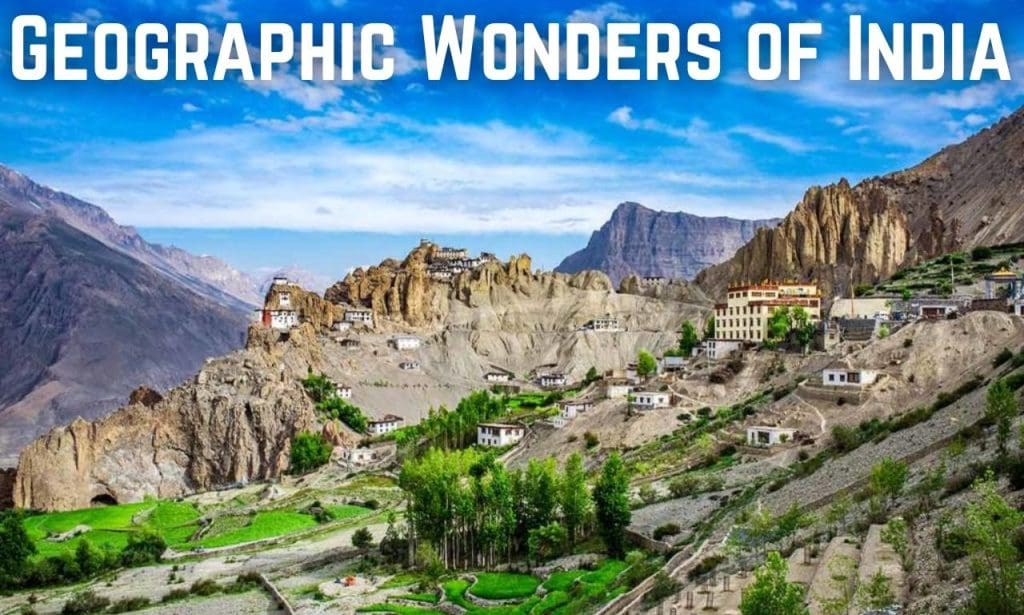
India is a treasure house of natural marvels, and many of its extraordinary landscapes remain untouched by mass tourism. From remote valleys to pristine lakes and rare geological structures, these lesser-known regions showcase the diversity and complexity of Indian geography. This article explores remarkable hidden gems across the country, offering both geographic insights and travel-worthy intrigue.
India’s Hidden Landscapes: A Brief Overview
India stretches across mountains, plateaus, deserts, coasts, and dense forests, creating an incredible variation in terrain. While popular sites like the Himalayas, Thar Desert, and Western Ghats are widely known, numerous valleys and natural formations exist in quieter corners of the country. These landscapes not only highlight the depth of Indian geography but also reveal ecological richness, cultural heritage, and geological history.
Below are some of the most fascinating lesser-known geographic wonders that deserve far more attention.
Remote Valleys That Few Have Explored
India has several secluded valleys shaped by centuries of tectonic activity, glacial movement, and river erosion. These remote areas often preserve ecosystems and cultural practices unseen elsewhere.
Nubra’s Hidden Corners, Ladakh
Although the Nubra Valley is known among adventure travelers, multiple unexplored pockets remain away from popular routes. These inner stretches contain river-fed oases, high-altitude sand dunes, ancient monasteries, and cold-desert vegetation. The shifting landscape, influenced by the Shyok and Nubra rivers, serves as a living lesson in the dynamic nature of Indian geography.
Sangti Valley, Arunachal Pradesh
Nestled in the Eastern Himalayas, Sangti Valley is a quiet paradise marked by apple orchards, terraced fields, and dense pine forests. The valley is also a wintering ground for migratory black-necked cranes. Its untouched beauty, combined with tribal settlements and a mild climate, makes it one of India’s most peaceful hidden gems.
Lolab Valley, Jammu & Kashmir
Often overshadowed by the famous Kashmir Valley, Lolab remains a serene and lush stretch of meadows, springs, and alpine forests. Surrounded by snow peaks, its gentle slopes, natural caves, and crystal streams make it a geography enthusiast’s delight.
Dzongu, Sikkim
Dzongu, a restricted region in North Sikkim, lies in the heart of the Lepcha reserve. This remote valley features hanging bridges, cascading rivers, bamboo forests, and hot springs. The combination of cultural purity and primitive landscapes represent the unspoiled essence of Indian terrain.
Secret Lakes Shaped by Nature Over Millennia
Lakes often reveal crucial clues about geological shifts, glacial influence, and climatic patterns. India’s lesser-known lakes, formed through ancient natural processes, feature unique ecosystems and breathtaking beauty.
Gurudongmar’s Twin Lakes, North Sikkim
While the main Gurudongmar Lake draws visitors, very few know about the smaller glacial lakes hidden in its vicinity. Surrounded by barren high-altitude terrain and snow-capped ranges, these lakes store meltwater from perpetual glaciers. Their striking turquoise shades demonstrate how Indian geography shifts dramatically with elevation.
Tamenglong’s Mysterious Lakes, Manipur
The hilly district of Tamenglong hides several unexplored water bodies formed through rainfall collection and underground springs. These lakes support rare orchids, reptiles, and forest ecosystems. Many locals consider them sacred, adding an element of cultural significance.
Satopanth Tal, Uttarakhand
Satopanth Tal is a remote triangular lake located at an altitude of nearly 4,500 meters. Surrounded by glacial moraines and lofty peaks, the lake remains one of the least-visited in the Garhwal Himalayas. Its shape and surroundings reveal thousands of years of glacial sculpting.
Kareri Lake, Himachal Pradesh
Kareri Lake, fed by melting snow from the Dhauladhar range, is known for its exceptionally clear water. Although accessible by trekking routes, it remains far less visited than other Himachali lakes. Its shallow depth and reflective surface make it a geographical wonder formed through rock basins and seasonal melt patterns.
Rare Geological Formations You Didn’t Know India Had
India’s geological formations offer insights into the Earth’s ancient past. From volcanic rock structures to erosion-made wonders, many of these formations remain tucked away from mainstream travel circuits.
Yana Rocks, Karnataka
Located in the Western Ghats, the Yana Rocks consist of massive black limestone formations rising sharply out of dense forest. Their vertical shapes were carved over millions of years through weathering and tectonic shifts. Pilgrims and trekkers visit the area, yet many sections remain undiscovered and hidden under thick vegetation.
Natural Arches of Odisha
Odisha’s hinterland features natural stone arches shaped by river and wind erosion. These arches, formed from sandstone layers, resemble structures seen in global desert landscapes. Their rarity makes them among the most intriguing features in Indian geography.
Magnetic Hill, Ladakh
Magnetic Hill creates an optical illusion in which vehicles appear to roll uphill. While a tourist attraction, the actual phenomenon remains misunderstood by many. The landscape demonstrates how topography, perspective, and gradient interact to create natural illusions.
Tumrup Rock Formations, Assam
Tucked deep inside Karbi Anglong, these unique limestone formations resemble sculptures carved by nature. Their shapes result from prolonged chemical weathering in humid conditions. The area also hosts caves and underground streams, adding to its geological value.
Lesser-Known Natural Formations in Coastal India
India’s vast coastline hides remarkable formations shaped by sea currents, tidal action, and monsoon winds. These coastal wonders highlight the role of water in shaping Indian geography.
St. Mary’s Island Columnar Basalts, Karnataka
The column-like basalt structures on St. Mary’s Island were formed by ancient volcanic activity followed by quick cooling. These hexagonal rocks mimic formations seen in Iceland and Northern Ireland, revealing India’s connection to global geological events millions of years ago.
Mud Volcanoes of Andaman
The mud volcanoes in the Andaman Islands are rare natural features created by geothermal activity. Although small in size, these formations release gas bubbles that push mud upward, forming cone-shaped mini-volcanoes. They represent the tectonic volatility of the region.
Sea Caves of Maharashtra
Hidden along the Konkan coast are sea caves carved by relentless wave action. Some caves exhibit layered rock formations, fossil imprints, and blowholes formed through erosion. Their location and structure make them important coastal study sites.
Biodiversity Hotspots Within These Hidden Wonders
Many of India’s unknown valleys and lakes occur within regions of remarkable biodiversity. Their isolation often results in preserved species and micro-ecosystems.
Key highlights include:
- Rare high-altitude flora in remote Himalayan valleys
- Endemic orchids found near unexplored lakes of the Northeast
- Migratory bird habitats in secluded coastal pockets
- Unique amphibians and reptiles in uncharted forest valleys
- Indigenous communities living in harmony with delicate ecosystems
These areas contribute significantly to the ecological fabric of Indian geography, making conservation crucial.
Practical Tips for Exploring These Hidden Regions
Traveling to remote geographic wonders requires preparation. Although many areas remain pristine, they also demand responsible exploration.
Here are helpful pointers:
- Research local conditions and access roads ahead of time
- Hire local guides, especially in tribal or restricted regions
- Carry basic supplies in regions without shops or medical access
- Refrain from disturbing local wildlife or vegetation
- Follow community rules and respect cultural beliefs
- Avoid littering—many hidden landscapes are extremely fragile
These practices ensure that exploration enhances, rather than harms, these precious environments.
Why These Hidden Wonders Matter
India’s lesser-known geographic marvels are not just scenic—they hold scientific, ecological, and cultural value. Exploring such sites showcases:
- Geological stories spanning millions of years
- Ecological richness away from urban disturbance
- Ancient cultural ties between communities and landscapes
- Insights into climate patterns and water systems
- The immense diversity that defines Indian geography
These secluded natural formations also offer opportunities for sustainable tourism, research, and environmental awareness.
A Final Reflection on India’s Hidden Geographic Treasures
India’s unknown valleys, lakes, and natural formations reveal an extraordinary side of the country—one that goes far beyond typical tourist circuits. These landscapes highlight the depth and variety of Indian geography, showcasing timeless natural processes that continue to shape the subcontinent. Whether it is a remote Himalayan valley or a mysterious volcanic island, these wonders capture the essence of a land built by nature’s most powerful forces.
By appreciating and protecting these hidden gems, we preserve the beauty, history, and scientific richness that make India’s geography truly exceptional.