
Whether you’re purchasing an older home, managing a commercial facility, preparing for renovations, or maintaining a rental property, environmental hazards are often among the most overlooked risks. While visible structural damage usually receives immediate attention, hidden contaminants such as asbestos, mold, lead-based paint, and microbial contamination can remain undetected for years.
These hazards not only affect the condition of a property but may also influence indoor environmental quality, occupant safety, regulatory compliance, and long-term maintenance costs. Many property owners discover these issues only after construction begins, a tenant reports concerns, or an inspection reveals underlying problems that could have been identified much earlier.
Understanding how these environmental hazards develop and when professional environmental evaluations become necessary allows property owners to make informed decisions while reducing unexpected project delays and costly remediation.
Why Older Buildings Require Environmental Assessments
Buildings constructed decades ago were developed using materials and construction practices that differ significantly from today’s environmental standards.
Over time, aging infrastructure, water intrusion, renovations, and normal wear can expose hidden hazards that were once safely contained.
Environmental assessments help identify conditions that cannot be confirmed through visual inspection alone, providing valuable information before renovation, demolition, occupancy, or property transactions.
Professional evaluations are commonly recommended for:
- Older residential homes
- Apartment buildings
- Commercial offices
- Schools and educational facilities
- Healthcare environments
- Industrial buildings
- Mixed-use developments
Early identification often reduces project risks while protecting both occupants and contractors.
Understanding Asbestos: A Hidden Risk During Renovation
For many years, asbestos was widely incorporated into construction materials because of its strength and resistance to heat.
Although many buildings continue to contain asbestos-containing materials, the greatest risk occurs when these materials are disturbed during remodeling, maintenance, or demolition.
Common locations include:
- Pipe insulation
- Ceiling textures
- Vinyl flooring
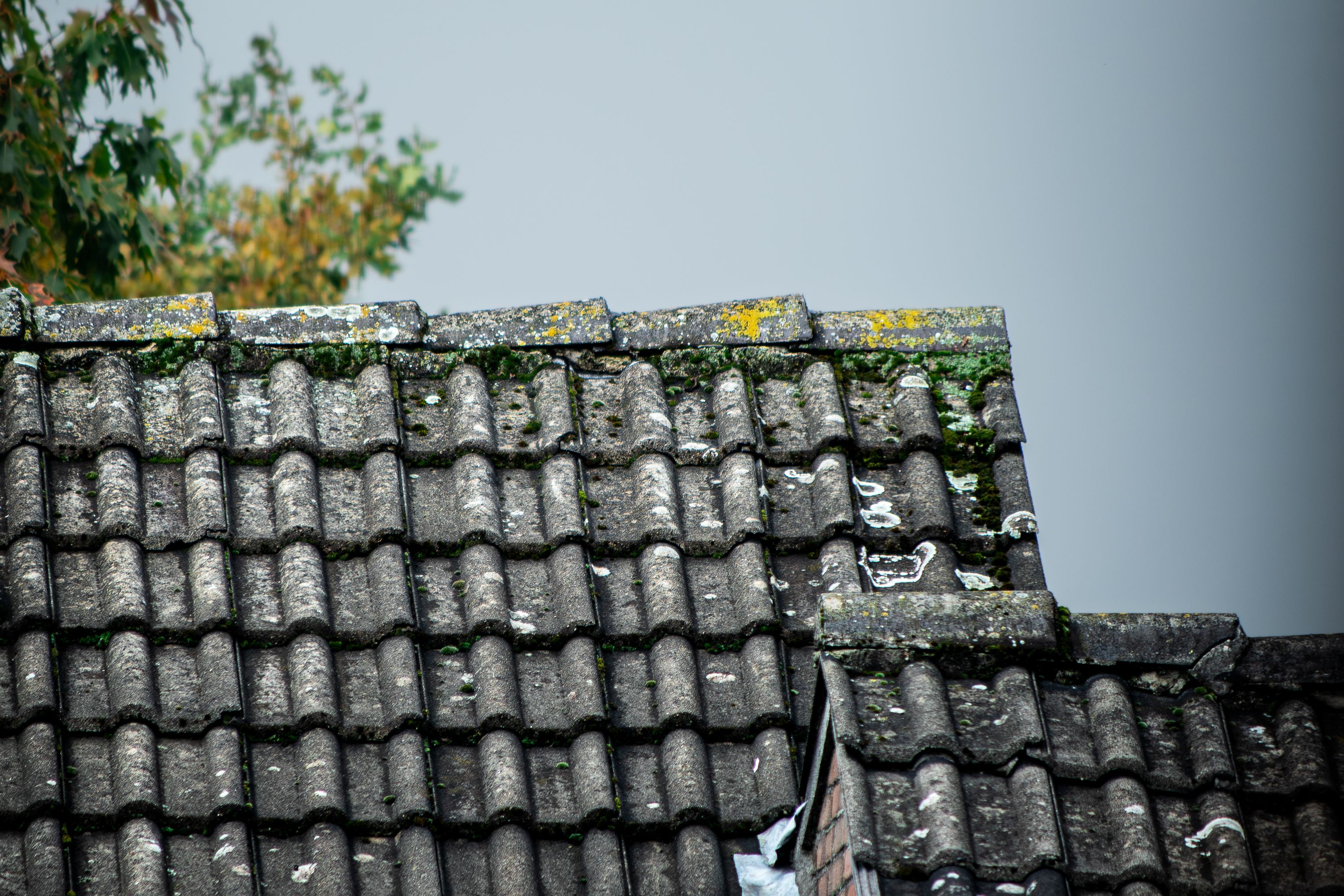
- Roofing materials
- Cement products
- Fireproofing systems
Professional asbestos inspections help determine whether suspect materials require monitoring, containment, or asbestos removal before construction activities begin.
Ignoring potential asbestos hazards can lead to unexpected project delays, increased remediation costs, and unnecessary exposure risks.
Mold Growth Is More Than a Cosmetic Issue
Many people associate mold with dark stains on walls or ceilings, but visible growth often represents only a small portion of the overall problem.
Moisture intrusion caused by roof leaks, plumbing failures, flooding, or poor ventilation creates ideal conditions for mold to spread behind walls, beneath flooring, inside attics, and throughout crawl spaces.
Without identifying the moisture source, simply cleaning visible mold rarely provides a long-term solution.
Professional mold inspections focus on:
- Moisture detection
- Hidden contamination
- Indoor environmental conditions
- Air quality concerns
- Appropriate mold remediation strategies
Addressing mold early helps preserve building materials while reducing the likelihood of more extensive damage.
Lead Paint Remains a Concern in Older Properties
Lead-based paint continues to be one of the most significant environmental concerns in aging residential and commercial buildings.
Although intact painted surfaces may remain stable for years, deterioration or renovation activities can create lead-containing dust that spreads throughout occupied spaces.
Common areas requiring evaluation include:
- Windows and frames
- Doors
- Interior trim
- Exterior siding
- Stair railings
- Decorative woodwork
Professional lead paint inspections provide accurate identification and help property owners determine the safest management strategy, whether through monitoring, encapsulation, enclosure, or lead abatement.
Why Environmental Disinfection Has Become Part of Modern Property Maintenance
Environmental disinfection has evolved beyond emergency response.
Today, many organizations incorporate professional disinfection services into routine facility maintenance to support healthier indoor environments and reduce contamination risks.
Professional treatment may be appropriate following:
- Water damage
- Mold remediation
- High-occupancy events
- Construction projects
- Illness outbreaks
- Seasonal deep cleaning
Unlike routine janitorial cleaning, professional environmental disinfection focuses on reducing microorganisms on frequently touched surfaces using specialized equipment and approved disinfectant products.
Indoor Air Quality Connects Every Environmental Service
Although asbestos, mold, lead, and microbial contamination each present different challenges, they share one important connection indoor air quality.
Poor indoor conditions often result from a combination of hidden hazards rather than a single isolated issue.
For example:
- Water intrusion may lead to mold growth while also affecting asbestos-containing materials.
- Renovation projects can disturb both asbestos and lead-containing surfaces.
- Mold remediation may be followed by environmental disinfection to improve overall hygiene.
- Aging buildings frequently require multiple environmental assessments before redevelopment.
Looking at a property’s environmental health as a complete system rather than individual problems allows property owners to make better long-term decisions.
The Importance of Planning Before Renovation Begins
Construction projects often uncover hidden environmental concerns after work has already started.
This can result in:
- Unexpected project delays
- Increased labor costs
- Temporary work stoppages
- Additional regulatory requirements
- Extended project schedules
Conducting environmental assessments before demolition or renovation allows contractors to develop safer work plans while minimizing costly surprises.
Early planning benefits homeowners, developers, property managers, and commercial building owners alike.
Choosing Qualified Environmental Professionals
Environmental investigations require specialized knowledge, proper equipment, and an understanding of applicable safety standards.
When selecting a contractor, property owners should consider:
- Industry certifications
- Experience with residential and commercial properties
- Comprehensive inspection capabilities
- Accredited laboratory partnerships
- Clear documentation and reporting
- Regulatory knowledge
Working with certified environmental professionals provides greater confidence that environmental concerns will be properly identified and addressed.
A Proactive Approach Protects Both People and Property
Environmental hazards are often invisible until they begin affecting a building, its occupants, or a construction project. By the time obvious signs appear, remediation may become more complex and expensive.
Whether the concern involves aging insulation, moisture intrusion, deteriorating paint, or microbial contamination, early identification remains the most effective strategy for reducing long-term risks.
Professional environmental services including asbestos testing, mold inspections, lead paint inspections, and environmental disinfection services provide property owners with the information needed to make informed decisions, maintain safer indoor environments, and move forward with confidence.
Investing in preventative environmental assessments today can help avoid unexpected challenges tomorrow while supporting healthier buildings for everyone who lives, works, or visits them.
Hidden hazards don’t wait for construction to start neither should you. Schedule a comprehensive environmental assessment with Qualteck, serving property owners across Long Island, Commack, and the entire New York region.