

The Aircraft landing lights serve a dual purpose: they help pilots see during low-visibility operations and make the aircraft visible to others — on the ground and in the air. Choosing between HID and LED technology is one of the most common lighting decisions aircraft owners face today.
This guide breaks down the real differences, costs, and tradeoffs so you can make an informed decision.
What Are HID Aircraft Landing Lights?
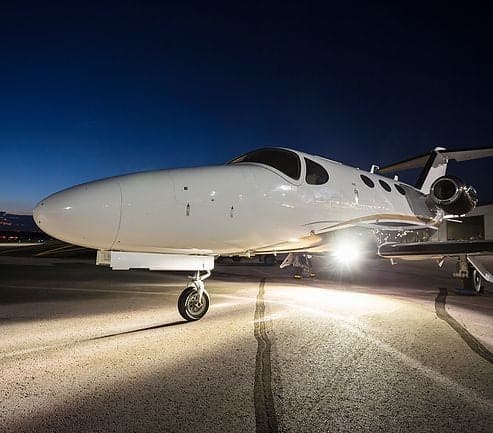
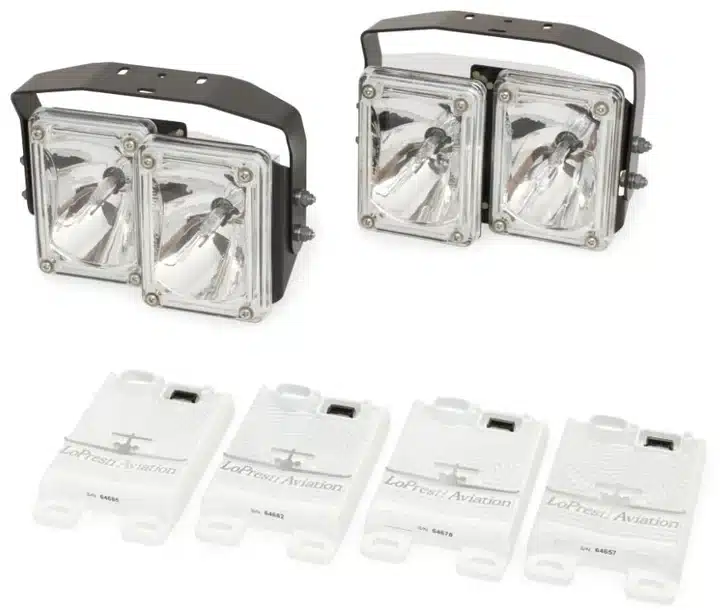
High-Intensity Discharge (HID) lights generate illumination by passing an electric arc through a gas-filled chamber. They produce an intense, white-blue beam that was considered the gold standard for aircraft landing lights for decades.
HID lights are still found on many legacy commercial and general aviation aircraft, particularly those certified before LED alternatives became widely FAA-approved.
Pros of HID:
- Very high lumen output with excellent beam throw distance
- Proven technology with decades of operational history
- May be the most practical choice for legacy aircraft already equipped with HID systems
- Repair and overhaul services can extend service life cost-effectively
Cons of HID:
- Requires a warm-up period of several seconds before reaching full brightness
- Higher power draw places more demand on the aircraft’s electrical system
- More sensitive to vibration, leading to more frequent failures
- Bulb replacement is typically required every 500–1,500 flight hours
What Are LED Aircraft Landing Lights?
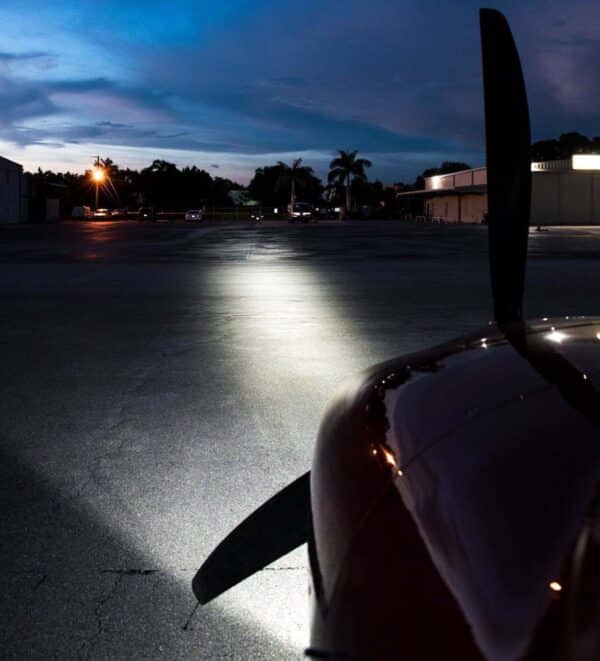
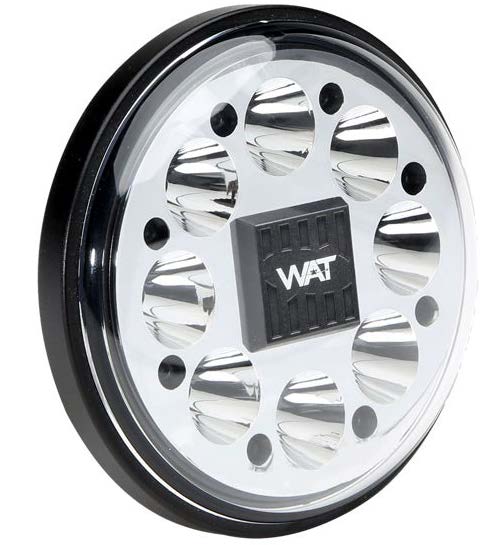
Light Emitting Diode (LED) landing lights use semiconductor technology to produce light with dramatically lower power consumption. Modern LED aviation lights can match or exceed HID brightness while drawing a fraction of the current. For example, the Parmetheus™ Pro Par 36 LED Landing Light is a popular and widely used upgrade option for a range of aircraft.
Pros of LED:
- Instant-on: full brightness at the moment of activation, with no warm-up
- Significantly longer lifespan, typically 10,000+ hours vs. 500–1,500 for HID
- Lower power consumption reduces load on the alternator and electrical system
- Highly resistant to vibration and shock, which is critical in aviation environments
- Reduced maintenance costs over the aircraft’s life
- FAA-approved upgrade options available for a wide range of aircraft
Cons of LED:
- Higher upfront cost than some HID replacements
- Not all legacy aircraft have a direct drop-in LED upgrade available
HID vs. LED Landing Lights: Side-by-Side Comparison
| Feature | HID | LED |
|---|---|---|
| Brightness | Very high, long beam throw | High, focused, comparable to HID |
| Power Consumption | Higher (~100W typical) | Lower (~30–50W typical) |
| Lifespan | 500–1,500 hours | 10,000+ hours |
| Warm-Up Time | 5–15 seconds | Instant |
| Vibration Resistance | Low | High |
| Maintenance Frequency | Higher | Minimal |
| Typical Upfront Cost | Lower per bulb | Higher, but lower lifecycle cost |
| FAA-Approved Upgrades | Available | Widely available |
Which Is Better for Your Aircraft?
Choose HID if:
- Your aircraft was originally certified with HID landing lighting, and a drop-in LED upgrade is not available
- You want to extend the life of existing components through repair/overhaul rather than replacing them
- Your budget favors lower upfront cost over long-term savings
Choose LED if:
- You’re upgrading an older aircraft and want to reduce long-term maintenance costs
- Your aircraft operates frequently or in demanding conditions where vibration and reliability matter
- You want the safety advantage of instant-on lighting during critical phases of flight
- You’re planning to operate the aircraft for many years
Are LED Landing Lights FAA Approved?
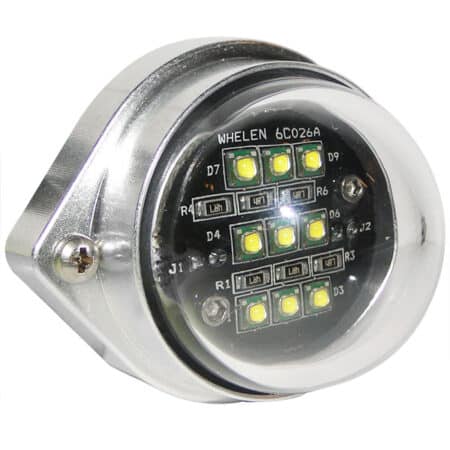
Yes. The FAA has approved LED upgrades for a wide range of aircraft under Supplemental Type Certificates (STCs) and as direct replacements under existing TSOs. Always verify that any replacement light meets your aircraft’s specific certification requirements and check with your A&P mechanic or aircraft repair station before installation.
Frequently Asked Questions
How long do LED aircraft landing lights last compared to HID?
LED landing lights typically last 10,000 or more hours of operation. HID lights generally require replacement every 500–1,500 hours, meaning LED lights can last 7–20x longer depending on usage patterns.
Do LED landing lights produce enough light for night approaches?
Yes. Modern LED landing lights meet or exceed the brightness of traditional HID systems. Many pilots report improved visibility with LED due to the quality of the white light and its focused beam pattern.
Can I replace my HID landing light with an LED on my older aircraft?
In many cases, yes. FAA-approved STC-based LED upgrades exist for a large number of general aviation and legacy commercial aircraft. The key is confirming compatibility with your aircraft’s electrical system and certification basis.
Do HID lights draw more power than LED?
Yes. A typical HID landing light draws around 100 watts, while equivalent LED systems often draw 30–50 watts. Over hundreds of flight hours, this difference reduces wear on your alternator and electrical system.
What causes HID landing lights to fail? The most common causes are bulb burnout from reaching end-of-life, vibration damage to the arc tube or housing, and ballast failure. Regular inspection and timely replacement are key to maintaining reliability.