
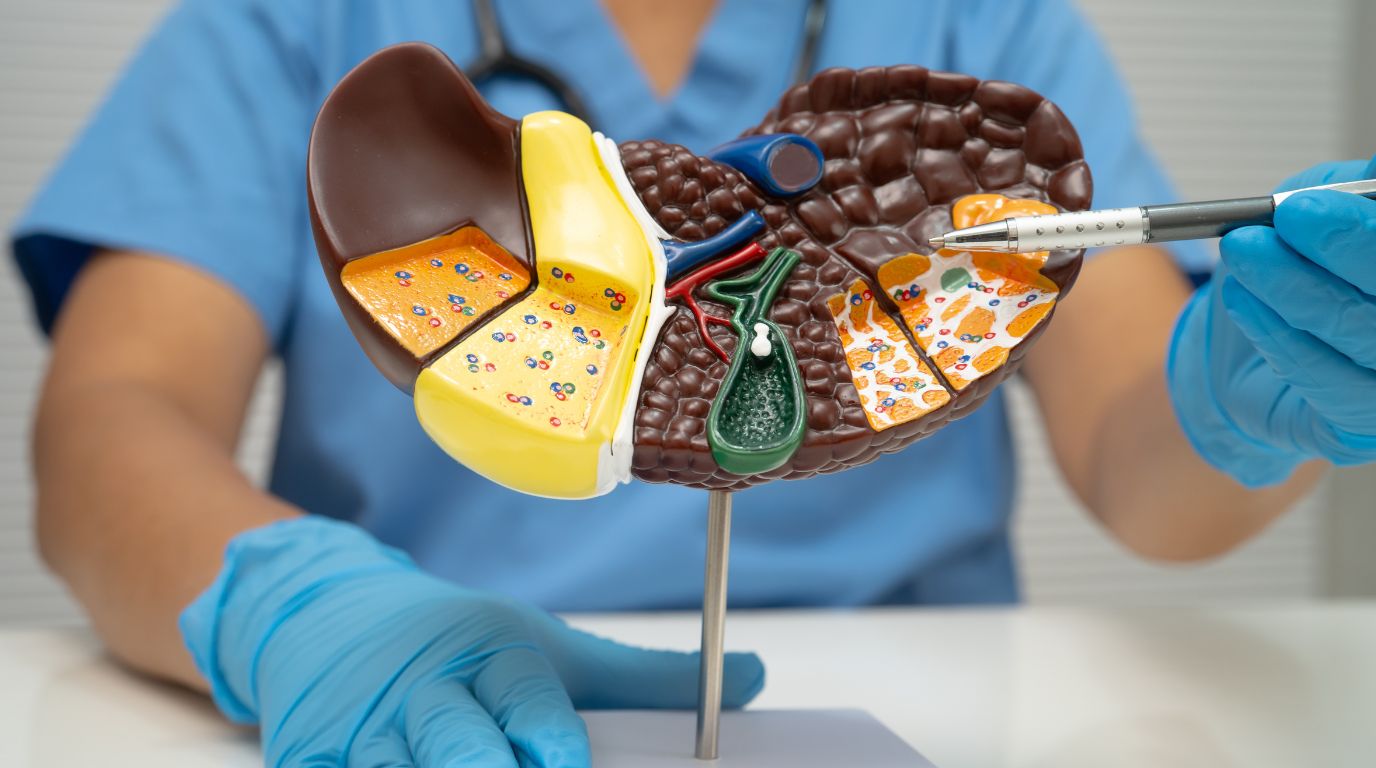
The liver performs hundreds of important functions, including removing toxins from the blood. When the liver cannot work properly, harmful substances can build up in the body and affect brain function. This condition is called hepatic encephalopathy (HE). It can lead to confusion, memory problems, changes in behavior, and, in severe cases, loss of consciousness. Fortunately, timely diagnosis and appropriate treatment can help control symptoms and improve a patient’s quality of life.
According to Expert Market Research, the global Hepatic Encephalopathy Treatment Market across the seven major markets was valued at approximately USD 1.69 Billion in 2025. Based on the company’s latest market analysis, the market is projected to grow at a CAGR of 5.70% between 2026 and 2035, reaching an estimated value of USD 2.94 Billion by 2035. The report highlights the rising incidence of liver cirrhosis, improved awareness of liver diseases, and ongoing advances in treatment options as major factors supporting market growth.
What Is Hepatic Encephalopathy?
Hepatic encephalopathy is a neurological condition caused by severe liver dysfunction. A healthy liver filters toxins from the bloodstream. However, when liver function declines, these toxins reach the brain and interfere with normal brain activity.
The condition most commonly affects people with chronic liver disease, especially liver cirrhosis. Symptoms may appear gradually or develop suddenly after an infection, dehydration, or gastrointestinal bleeding.
Common Symptoms
The symptoms of hepatic encephalopathy vary depending on its severity.
Confusion
Many patients experience difficulty thinking clearly or concentrating on everyday tasks.
Memory Problems
Short-term memory may become weaker, making it difficult to remember conversations or recent events.
Personality Changes
Some individuals become unusually irritable, anxious, or emotionally withdrawn.
Sleep Disturbances
Changes in sleep patterns are common. Patients may sleep during the day and remain awake at night.
Poor Coordination
Advanced stages can affect balance, hand movements, and speech. Severe cases may lead to reduced consciousness or coma.
What Causes Hepatic Encephalopathy?
The primary cause is advanced liver disease. However, several factors can trigger an episode in people who already have liver damage.
Common triggers include infections, constipation, dehydration, kidney problems, excessive alcohol consumption, gastrointestinal bleeding, and certain medications. Identifying these triggers is an important part of successful treatment.
How Is It Diagnosed?
Doctors diagnose hepatic encephalopathy by reviewing symptoms, medical history, and liver function. Blood tests help measure liver health and ammonia levels, although ammonia alone cannot confirm the condition.
Healthcare providers may also perform neurological examinations, brain imaging, or cognitive assessments to rule out other neurological disorders. Early diagnosis allows treatment to begin before symptoms become more severe.
Treatment Options
Medications
Doctors often prescribe medications that reduce toxin production in the intestines. These medicines help lower the amount of harmful substances reaching the brain.
Antibiotic Therapy
Certain antibiotics decrease bacteria that produce ammonia in the digestive system. This approach often helps prevent recurrent episodes.
Dietary Management
Patients may receive personalized nutrition plans that support liver function while maintaining adequate protein intake under medical supervision.
Treating the Underlying Cause
Managing liver cirrhosis, preventing infections, correcting dehydration, and controlling other triggering factors are essential parts of long-term care.
Why Early Treatment Matters
Early treatment improves symptom control and reduces the risk of serious complications. It also helps patients maintain independence and improves their overall quality of life.
Regular follow-up appointments allow healthcare providers to monitor liver function and adjust treatment whenever necessary. Family members also play an important role by recognizing early warning signs and seeking medical care promptly.
Technology Is Improving Liver Care
Healthcare technology continues to improve the diagnosis and management of liver diseases. Artificial intelligence is helping physicians analyze clinical data, while digital monitoring systems support earlier identification of disease progression.
Telemedicine services also allow patients with chronic liver disease to receive specialist consultations without frequent hospital visits. These innovations improve access to care and encourage continuous monitoring.
Healthcare innovation often benefits from progress in other industries as well. For example, developments in the India Esports Market demonstrate how advanced digital platforms, real-time connectivity, and interactive technologies continue transforming user experiences across entirely different sectors.
Future Trends
Researchers are studying new medications, microbiome-based therapies, and personalized treatment strategies to improve long-term outcomes for patients with hepatic encephalopathy. Artificial intelligence may also help predict disease progression and identify patients who need early intervention.
As liver disease management continues to evolve, healthcare providers are expected to adopt more targeted therapies and digital health solutions that improve patient monitoring and treatment effectiveness.
Conclusion
Hepatic encephalopathy is a serious complication of advanced liver disease that affects brain function and daily life. Early diagnosis, appropriate medication, and careful management of underlying liver conditions can significantly improve patient outcomes. As research and medical technology continue advancing, treatment options are becoming more effective, offering greater hope for individuals living with this challenging condition.
Author Bio
Lalit Sen is a freelance content writer, blogger, and digital marketing professional who creates informative content on healthcare, biotechnology, technology, and business. He enjoys simplifying complex medical topics into clear, reader-friendly articles that help audiences understand the latest healthcare innovations and industry developments.