

Are you opening a new cafe and wondering which equipment will give you the best bang for your buck? Perhaps you’re already serving customers, but finding your current setup can’t keep pace with demand? Or maybe you’ve noticed your toasties just aren’t hitting the mark compared to your competitors down the street?
Choosing the right commercial sandwich press for sale isn’t just about picking the shiniest machine on the shelf. It’s a decision that affects your menu options, kitchen efficiency, and ultimately, your bottom line. A quality sandwich grill can transform simple ingredients into golden, crispy creations that keep customers coming back for more. Get it wrong, though, and you’ll face slow service, inconsistent results, and frustrated staff.
Understanding Commercial Sandwich Press Types
Commercial Contact Grill vs Traditional Sandwich Press
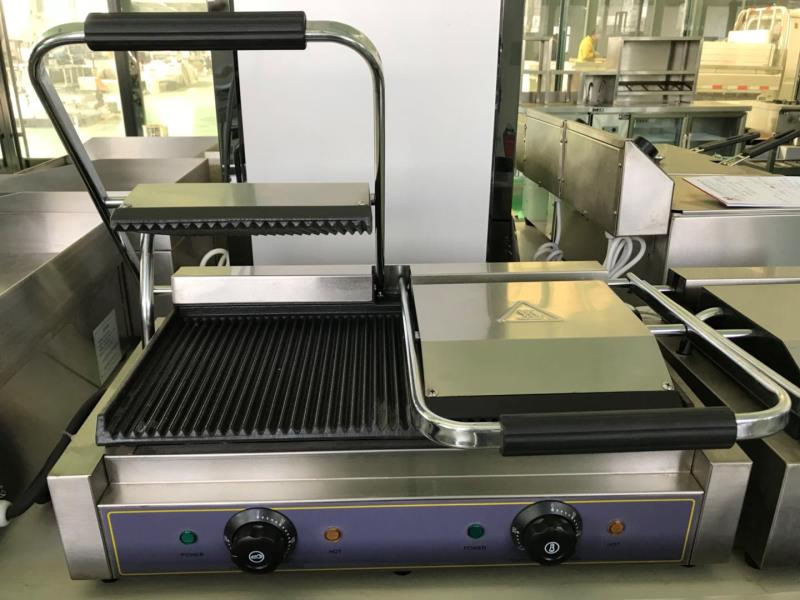
When you start shopping for a commercial contact grill, you’ll quickly notice there’s more variety than you might expect. A traditional sandwich press typically features two heated plates that press down on your sandwich, cooking both sides simultaneously. These are perfect for classic toasties and simple grilled sandwiches.
A commercial contact grill, on the other hand, often offers more versatility. Many models feature adjustable hinges that accommodate different bread thicknesses, plus they can handle items beyond sandwiches—think quesadillas, flatbreads, and even proteins. For cafes wanting menu flexibility, this adaptability makes a contact grill worth considering.
Commercial Panini Press: Is It Right for Your Menu?
A commercial panini press specifically caters to creating those beautiful ridged patterns on Italian-style pressed sandwiches. The ribbed plates not only look impressive but also help drain excess oils and fats from fillings. If your menu leans towards gourmet offerings or you’re targeting the lunch crowd wanting something a bit special, a panini press could be your best bet.
Cast Iron Sandwich Press: Durability Meets Performance
There’s something to be said for the old-school approach. A cast iron sandwich press delivers exceptional heat retention and distribution, creating consistently golden results. These units are built to last, often outliving their non-stick counterparts by years. While they require more maintenance, many cafe owners swear by their superior performance.
Commercial Toaster and Sandwich Grill Combinations
Space is precious in any commercial kitchen. Combination units that function as both a commercial toaster and sandwich grill can save valuable bench space while expanding your capabilities. These multi-purpose machines let you toast bread, grill sandwiches, and sometimes even cook breakfast items—all from one piece of equipment.
Key Features to Look for in the Best Commercial Sandwich Press
Plate Materials: Cast Iron, Non-Stick, and Ribbed Options
Your plate choice significantly impacts cooking performance and maintenance requirements. Non-stick surfaces make cleaning a breeze and reduce oil usage, perfect for high-turnover environments. A sandwich press cast iron option provides superior heat distribution but demands regular seasoning. Ribbed plates add visual appeal and functionality for certain menu items.
Temperature Control and Heat Distribution
Precise temperature control separates professional equipment from domestic alternatives. Look for models offering adjustable thermostats, allowing you to set optimal temperatures for different ingredients. Even heat distribution prevents hot spots that cause uneven cooking—nobody wants a burnt corner and a cold centre.
Size and Capacity for High-Volume Service
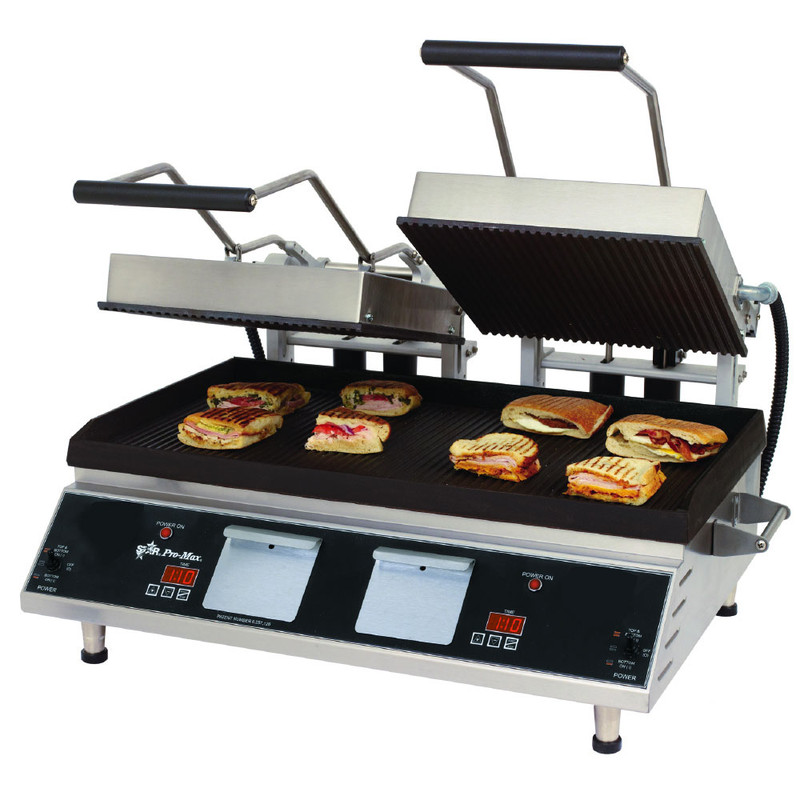
Consider your peak service periods carefully. A larger sandwich maker grill might cost more upfront but could pay for itself by reducing customer wait times. Most commercial models accommodate two to four sandwiches simultaneously, though larger units exist for high-volume operations.
Ease of Cleaning and Maintenance
After a busy lunch rush, the last thing your staff wants is a complicated cleaning process. Removable drip trays, smooth surfaces, and accessible components make end-of-day cleaning faster. Some models feature plates that lift completely out for thorough washing.
Commercial Sandwich Press Australia: Top Considerations for Local Buyers
Australian Safety Standards and Compliance
When purchasing a commercial sandwich press Australia cafe owners must verify the equipment meets local safety standards. Look for appropriate certifications and ensure electrical specifications match Australian requirements. Buying from reputable Australian suppliers typically guarantees compliance.
Warranty and After-Sales Support in Australia
Equipment breakdowns happen at the worst times. Local warranty support means faster repairs and less downtime. Check what’s covered, for how long, and whether spare parts are readily available in Australia.
Energy Efficiency for Australian Commercial Kitchens
With energy costs rising, efficiency matters more than ever. Modern commercial presses often feature improved insulation and more efficient heating elements. While energy-efficient models might cost slightly more initially, they’ll save money over their lifespan.
How Much Should I Spend on a Commercial Contact Grill?
Budget-Friendly Options for New Cafes
Starting out with limited capital? Entry-level commercial presses start around $150-300. These handle light to moderate use adequately, though they may lack advanced features and won’t last as long under heavy use.
Mid-Range Commercial Sandwich Press Models
The sweet spot for most cafes sits between $400-800. These models offer better build quality, improved temperature control, and features like adjustable hinges. They’re built to handle consistent daily use for several years.
Premium Sandwich Maker Grill Investments
High-end units costing $1000 and above deliver exceptional performance, superior durability, and often include features like digital controls and multiple cooking zones. For high-volume operations, this investment makes sense.
Matching Your Commercial Sandwich Press to Your Menu
Toasties, Paninis, and Melts
Classic toasties suit flat-plate presses perfectly. Paninis demand ribbed plates. Melts might benefit from models with adjustable pressure. Consider your signature items when choosing.
Breakfast Items and Beyond
Many sandwich grills double as breakfast workhorses—think bacon, eggs, and hash browns. If your menu extends beyond sandwiches, look for versatile models that handle multiple tasks.
Conclusion
Choosing the right commercial sandwich press for sale requires balancing multiple factors: your menu requirements, expected volume, budget constraints, and space limitations. The best commercial sandwich press for one cafe might be completely wrong for another, which is why understanding your specific needs matters so much.
Take time to research thoroughly, read reviews from other Australian cafe owners, and if possible, see the equipment demonstrated before purchasing. Consider starting conversations with suppliers who understand commercial kitchen requirements—they can offer valuable guidance based on experience with similar businesses.
