
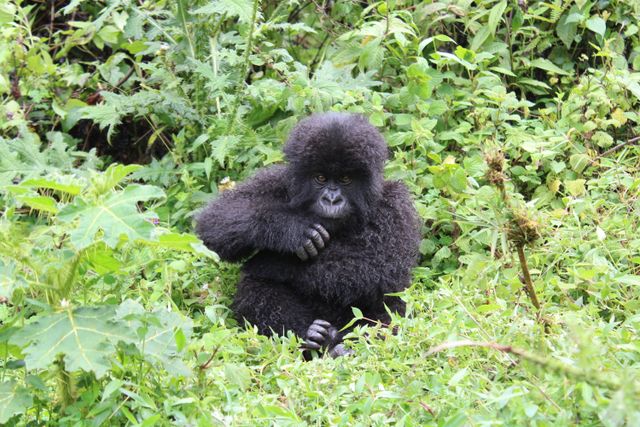
For anyone drawing up a bucket-list wildlife itinerary, few experiences rival standing meters away from a 400-pound silverback in the mist-draped forests of Central Africa. Gorilla trekking has grown from a niche pursuit for hardened naturalists into one of the most sought-after wildlife encounters on the planet, and two countries have built world-class tourism industries around it: Rwanda and Uganda. Both protect populations of the endangered mountain gorilla, both issue tightly controlled permits, and both deliver an experience that changes how travelers think about wildlife conservation. But the two destinations differ enormously in cost, difficulty, logistics, and overall feel. This guide breaks down everything a first-time or repeat visitor needs to know to choose the right country, the right season, and the right operator for a gorilla adventure tour that matches your budget and fitness level — whether you prefer a guided experience or self-drive gorilla trekking expeditions.
Why Gorilla Trekking Matters
Mountain gorillas exist only in the Virunga Massif, a chain of volcanoes straddling Rwanda, Uganda, and the Democratic Republic of Congo, plus the separate Bwindi ecosystem in southwestern Uganda. Roughly 1,000 individuals remain in the wild today, a slow but genuine recovery from a population that dipped dangerously low in the 1980s. That recovery is directly tied to tourism revenue. Permit fees fund anti-poaching patrols, veterinary monitoring, and community development projects in the villages bordering the parks. Choosing to go gorilla trekking in Rwanda or Uganda isn’t just about ticking a box on a wildlife list — it’s about participating in one of conservation’s genuine good-news stories.
Gorilla Trekking Rwanda: Volcanoes National Park Getting There
Volcanoes National Park is Rwanda’s flagship gorilla trekking destination, and it’s remarkably easy to reach. The park sits in the northwest of the country, roughly two hours by paved road from Kigali International Airport. Direct flights land in Kigali from Addis Ababa, Nairobi, Doha, Brussels, and increasingly from other global hubs, meaning travelers can be on the trail within a day of leaving home. From the airport, a smooth highway drive leads to Musanze, the small town that serves as the operational base for nearly every Volcanoes National Park trek.
Rwanda has invested heavily in road infrastructure connecting Kigali to the park, and this ease of access is one of the country’s biggest selling points. There’s no need for a bone-rattling multi-hour transfer or an internal flight — a comfortable private transfer or self-drive car hire Rwanda gets travelers from the capital to gorilla territory in an afternoon. For independent travelers, self-drive safaris in Rwanda Volcanoes offer unparalleled flexibility to explore at your own pace, with car rental services widely available at Kigali International Airport and throughout the capital. Many visitors opt for self-drive gorilla trekking trips, combining the freedom of a rental car with guided park experiences that enhance the overall adventure.
Car Hire Options for Rwanda Gorilla Trekking:
- Self-drive car hire Rwanda: Multiple providers offer reliable vehicles (typically Toyota 4x4s) starting from $50–70 per day
- Self-drive safari Rwanda pricing includes insurance and 24/7 roadside support
- Kigali car rental companies offer flexible pickup and drop-off at the airport
- For self-drive gorilla trekking in Rwanda, a 4×4 vehicle is recommended but not mandatory on main roads
- Self-drive safari packages Rwanda often bundle accommodation, permits, and vehicle rental
What a Trek Looks Like
Volcanoes National Park is home to around ten habituated gorilla families available for tourism visits, along with additional families reserved for research. A typical day of gorilla trekking in Rwanda unfolds like this:
- 5:00–5:30 AM: Briefing at park headquarters, where rangers assign visitors to a gorilla family based on fitness level and trekking preference
- 1–4 hours: Hike through volcanic forest to locate the assigned family, with porters available to carry daypacks and assist on steep or muddy sections
- 60 minutes: Time observing the gorillas at close range, once located
- 1–3 hours: Return trek to the trailhead
Rwanda’s guiding standards are excellent, and the widespread availability of porter services (typically $15–20 for the day, and often hired as a way of directly supporting the local community) means the trek is accessible even for travelers who aren’t in peak physical condition.
Permit Costs
A Rwanda gorilla trekking permit costs $1,500 per person, the highest fee anywhere in the world for this experience. That single permit buys one trek with one habituated family. Because demand consistently outpaces supply, permits should be secured six to twelve months ahead of a planned visit, especially for trips during the dry season. The high price tag reflects Rwanda’s positioning as a premium, high-value, low-volume tourism destination — a strategy that has funded significant conservation success and community investment around Volcanoes National Park.
Gorilla Trekking Uganda: Bwindi and Mgahinga Getting There
Uganda offers two gorilla trekking destinations, both tucked into the country’s mountainous southwest near the Rwandan border: Bwindi Impenetrable National Park and the smaller, quieter Mgahinga Gorilla National Park.
Bwindi covers 331 square kilometers of dense, ancient rainforest and is the larger and more popular of the two. Reaching it typically involves flying from Entebbe or Kampala to a regional airstrip near Kisoro or Kihihi, followed by a two-to-three-hour road transfer, or a full day’s drive directly from Kampala. Budget-conscious travelers sometimes opt for long-distance buses from the capital, though this can take upward of ten hours. Alternatively, self-drive car hire Uganda allows adventurous travelers to make the journey at their own pace, combining gorilla trekking with a broader Uganda safari experience. Mgahinga requires similarly involved logistics, and its remoteness is part of what keeps visitor numbers low.
Self-Drive Safari Uganda Options for Gorilla Trekking:
- Car rental Uganda for self-drive safaris starts from $40–60 per day for standard vehicles, $70–100 for equipped 4x4s
- Self-drive gorilla trekking Uganda gives you control over timing and route flexibility
- Kampala car hire companies offer competitive rates for multi-day self-drive safari Uganda itineraries
- Many operators provide self-drive safari guide services alongside vehicle rental
- Popular self-drive routes include the Kampala-to-Bwindi journey, combining gorilla trekking with Queen Elizabeth National Park
- Vehicle insurance and navigation support included with most car hire Uganda packages
This extra travel time is the trade-off for what many consider a rawer, more adventurous experience — and, crucially, a considerably lower price tag, which is why Uganda has become the go-to option for budget safaris in East Africa and self-drive safari Uganda attracts independent explorers.
What a Trek Looks Like
Uganda maintains roughly 16 habituated gorilla families across its two parks — 13 in Bwindi and 3 in Mgahinga — giving it more permit availability overall than Rwanda. The structure of a Ugandan gorilla trek mirrors Rwanda’s, but the terrain tells a different story. Bwindi lives up to its name: dense, tangled, and often muddy underfoot. Treks here can run anywhere from four to eight hours round trip, and the forest’s thick understory makes for slower, more physically demanding progress than Rwanda’s more open volcanic slopes.
Porters are available in Uganda but are less uniformly organized than in Rwanda, and travelers should proactively arrange one through their guide or operator rather than assuming one will be waiting. What Uganda lacks in polish, it makes up for in immersion — fewer tourists on the trail, deeper wilderness, and a genuine sense of adventure that appeals strongly to experienced hikers and self-drive safari enthusiasts.
Permit Costs
Uganda’s gorilla permits cost $700 per person for non-residents — less than half of Rwanda’s price. Combined with generally lower accommodation and meal costs, plus affordable car hire Uganda options, this makes Uganda the natural choice for travelers planning budget safaris in Uganda without sacrificing the core gorilla trekking experience. Permits still sell out during peak months, so booking several months in advance remains wise, but availability is generally a little more forgiving than in Rwanda thanks to the larger number of habituated families.
Physical Difficulty: Which Trek Is Harder? Rwanda (Volcanoes National Park)
- Altitude: 2,200–4,507 meters
- Trek duration: 2–6 hours round trip
- Terrain: Volcanic slopes, generally well-maintained paths with some muddy stretches
- Difficulty: Moderate
- Accessibility: High, thanks to widely available porter services
Rwanda’s volcanic terrain, while steep, tends to offer stable footing and clearer trails. Combined with strong porter infrastructure and excellent road access via self-drive car hire Rwanda, this makes Volcanoes National Park treks achievable for a broad range of fitness levels, including older travelers or those with mild mobility concerns.
Uganda (Bwindi and Mgahinga)
- Altitude: 1,160–2,607 meters (Bwindi); 2,236–3,477 meters (Mgahinga)
- Trek duration: 3–9 hours round trip
- Terrain: Dense rainforest, muddy trails, steep unmarked hillsides, thick vegetation
- Difficulty: Moderate to challenging
- Accessibility: Lower, with fewer porters and more rugged conditions
Despite lower average altitude, Bwindi’s terrain difficulty often exceeds Rwanda’s. Expect stream crossings, slippery descents, and a slower overall pace. Mgahinga is somewhat gentler than Bwindi but still requires solid fitness. Uganda rewards travelers who see the trek itself as part of the adventure, not just a means to an end — particularly those undertaking self-drive safaris Uganda to experience the entire region.
Best Time for Gorilla Trekking Rwanda
- Dry seasons: January–February and June–September
- Wetter shoulder season: March–May
- Main rains: October–December
Rwanda’s dry months bring crisp, clear mornings and firmer trails, cutting hiking time to roughly two to three hours in good conditions, compared with four to six-plus hours during the rains. The excellent road conditions make these months perfect for combining self-drive car hire Rwanda with gorilla trekking for maximum flexibility.
Uganda
- Dry seasons: December–February and June–August
- Rainy seasons: March–May and September–November
Uganda’s climate follows a broadly similar rhythm to Rwanda’s, though its equatorial rainforest setting means some rain is possible even in the “dry” months. The good news for planners: gorilla trekking in both Rwanda and Uganda runs year-round, unlike many classic African safari circuits that shut down entirely during the wet season. Rain changes comfort and walking time, not whether the trek happens at all. For self-drive safari Uganda travelers, dry season visits are recommended due to road conditions.
Where to Stay and How to Get Around Rwanda
Musanze town, just 20–30 minutes from the park gate, hosts a full spectrum of accommodation:
- Budget: Simple guesthouses from roughly $40–60/night
- Mid-range: Comfortable lodges such as Sabyinyo Silverback Lodge, around $150–300/night
- Luxury: Five-star retreats like Bisate Resort, from $600+/night
Transportation and Self-Drive Options:
Self-drive car hire Rwanda from Kigali provides the ultimate flexibility for independent travelers. A typical self-drive gorilla trekking Rwanda itinerary includes:
- Airport car rental with collision waiver and 24/7 support
- Self-drive safari Rwanda pricing: $50–80 per day for sedans, $70–120 for 4×4 vehicles
- Full freedom to explore Musanze, Volcanoes National Park surroundings, and nearby attractions (Lake Kivu, Nyungwe Forest)
- Easy navigation with well-marked roads between Kigali and Volcanoes
- Self-drive gorilla trekking packages that bundle accommodation, permits, and vehicle rental for convenience
Private drivers cost roughly $50–80 per day and remain the most popular way to get around for those preferring not to drive. However, 4×4 self-drive safaris are increasingly appeals to travelers who want autonomy to combine gorilla trekking with a wider exploration of the country’s natural attractions. Self-drive car hire Rwanda also allows visitors to visit multiple lodges across regions rather than staying in one base.
Uganda
Accommodation near Bwindi is more spread out, clustered around access points like Buhoma, Ruhija, and Rushaga. Options run more basic on average than Rwanda’s, though a handful of excellent luxury lodges exist. Mid-range properties typically run $100–200 per night — noticeably cheaper than Rwanda’s equivalent tier, reinforcing Uganda’s reputation as the region’s budget safari destination.
Self-Drive Safari Uganda Options:
For adventurous travelers, self-drive safari Uganda around Bwindi and Mgahinga offers unmatched flexibility:
- Car hire Uganda available in Kampala and major towns, with rates starting at $40–60/day for standard vehicles
- Self-drive gorilla trekking Uganda allows multi-park combinations: Bwindi + Queen Elizabeth + Murchison Falls in one trip
- 4×4 vehicle rental Uganda essential for accessing remote Bwindi sectors like Rushaga during wet season
- Self-drive safari Uganda packages increasingly include trained local guides who travel with you
- Popular self-drive routes: Kampala → Fort Portal → Queen Elizabeth → Bwindi (5–7 days)
- Car hire Uganda for self-drive safaris often includes comprehensive insurance and emergency recovery
Getting there is the bigger logistical lift for independent travelers: a full day’s drive from Kampala, or a short flight to Kisoro or Kihihi followed by a two-to-three-hour transfer. Many visitors combine self-drive safari Uganda with guided experiences at the park itself, maximizing both independence and expertise.
Total Cost Comparison
Rwanda, per person:
- Gorilla permit: $1,500
- Accommodation (2 nights): $150–400
- Meals: $50–100
- Transport/guide: $100–150
- Self-drive car hire Rwanda (optional, 3 days): $150–360
- Total: roughly $1,800–2,150 (or $1,950–2,510 with self-drive car hire)
Uganda, per person:
- Gorilla permit: $700
- Accommodation (2–3 nights): $100–300
- Meals: $40–80
- Transport/guide: $100–200
- Car hire Uganda (optional, 5 days): $200–500
- Optional internal flights: $150–250
- Total: roughly $1,090–1,530 without flights or car rental; $1,290–2,030 with self-drive safari Uganda
Self-drive safari Uganda combined with gorilla trekking remains significantly more budget-friendly than Rwanda, even when accounting for vehicle rental costs.
Which Destination Fits Your Travel Style?
Choose Rwanda if you:
- Have limited vacation time and want maximum efficiency
- Prefer polished infrastructure and established tourism services
- Are interested in self-drive car hire Rwanda for flexible exploration around your gorilla trekking permit
- Have lower fitness levels or mobility concerns
- Want the most predictable, comfortable version of the experience
- Are combining the trek with easy access from Kigali via self-drive safari Rwanda options
Choose Uganda if you:
- Are planning a budget safari in Uganda and want to stretch your travel dollars further
- Are drawn to self-drive safari Uganda for the adventure and independence
- Have a flexible schedule and don’t mind longer overland transfers (part of the self-drive experience)
- Are a fit, experienced hiker and self-drive enthusiast looking for a genuine wilderness challenge
- Want fewer tourists and a deeper sense of immersion in the forest
- Value the journey as much as the destination itself — car hire Uganda enables multi-park itineraries
Combining Self-Drive Safaris with Gorilla Trekking
Many travelers now combine self-drive safaris with gorilla trekking for the ultimate East African experience:
Rwanda Self-Drive Gorilla Adventure (7–10 days):
- Days 1–2: Rent a car in Kigali (self-drive car hire Rwanda), explore capital and surroundings
- Days 3–4: Drive to Musanze for Volcanoes National Park gorilla trekking
- Days 5–7: Self-drive safari Rwanda visiting Lake Kivu, Nyungwe Forest, or Akagera National Park
- Equipment: Standard sedan adequate; 4×4 beneficial for off-season travel
Uganda Self-Drive Safari with Gorilla Trekking (10–14 days):
- Days 1–2: Rent car in Kampala (car hire Uganda), explore the capital region
- Days 3–5: Self-drive safari Uganda to Queen Elizabeth National Park (game drives, boat safaris)
- Days 6–8: Continue self-drive to Bwindi Impenetrable for gorilla trekking
- Days 9–10: Extend to Mgahinga or return via alternative routes
- Equipment: 4×4 recommended for self-drive safari Uganda, essential during rainy seasons
Final Thoughts
There’s no wrong choice between these two extraordinary destinations — only the right choice for your budget, fitness, travel philosophy, and interest in self-directed exploration. First-time visitors and those short on time often find that gorilla trekking in Rwanda’s Volcanoes National Park delivers the smoothest, most reliable path to an unforgettable encounter, with world-class infrastructure and accessible self-drive car hire Rwanda options minimizing the variables outside your control. Seasoned travelers chasing genuine wilderness and better value tend to gravitate toward Uganda’s Bwindi and Mgahinga parks, where the lower permit cost combined with affordable self-drive safari Uganda options funds a longer, richer overall itinerary — perhaps an extended safari circuit through Queen Elizabeth or Murchison Falls National Park.
Whichever route you choose, working with an experienced local operator for your gorilla adventure tours makes an outsized difference: a good ground team handles permit booking, matches you to the right trekking group, arranges reliable porters, and builds a wider itinerary around the trek itself, whether that means combining Rwanda’s Volcanoes National Park with a stop in Akagera, or pairing a Bwindi trek with a broader Uganda safari through its savannah parks. For self-drive travelers, many operators now offer on-the-ground guides who meet you at your rental vehicle and navigate you through the trekking experience.
The gorillas themselves are the same on both sides of the border. They are magnificent, endangered, and unforgettable to see up close. What differs is the overall experience. Costs, trails, infrastructure, car hire options, and the style of adventure all vary between Rwanda and Uganda.
Book your gorilla permits early, especially for peak travel periods. Build your fitness with regular walking or hiking before your trip. Pack proper rain gear regardless of the season. If you plan to drive yourself, arrange your car hire well in advance during peak season. With the right preparation, you’ll be ready for one of the world’s most remarkable wildlife encounters.
Frequently Asked Questions
Can I combine Rwanda and Uganda gorilla trekking in one trip with a self-drive safari?
Yes, and many travelers do exactly this. The border crossings at Cyanika and Katuna are generally straightforward. Many gorilla adventure tours are built around a combined itinerary. Travelers often trek one habituated gorilla family in Volcanoes National Park using a self-drive car hire in Rwanda. A day or two later, they cross into southwestern Uganda & trek second family in Bwindi using a car hire in Uganda. Self-drive safari itineraries often span both countries, combining gorilla trekking with wildlife viewing in multiple national parks. This approach also makes it easy to include golden monkey tracking in Rwanda. It is a more affordable and less physically demanding primate experience. It also fits naturally into a gorilla-focused itinerary.
Is self-drive safari Rwanda or Uganda difficult for independent travelers?
Self-drive car hire Rwanda is straightforward — excellent roads, clear signage, and established tourism infrastructure make it ideal for first-time self-drivers. A self-drive safari in Uganda requires more driving experience. Roads to Bwindi are rougher, and navigation can be more challenging. A 4×4 vehicle is essential during the rainy season. Many travelers hire local drivers through car hire Uganda services to navigate while maintaining independence.
Do I need to be extremely fit to go gorilla trekking?
Not necessarily, especially in Rwanda. Porters and well-maintained trails make gorilla trekking accessible to people with a wide range of fitness levels. That said, gorilla trekking is naturally unpredictable. Rangers locate each gorilla family every morning with the help of trackers who head out at dawn. As a result, the walk to reach them can sometimes be longer than expected, regardless of the destination. A few weeks of walking or hiking before your trip can make the experience much more enjoyable. Basic cardiovascular fitness is beneficial in both Rwanda and Uganda.
How far in advance should I book a gorilla permit and car rental?
For peak dry-season travel in either country, book gorilla permits six to twelve months in advance. This is especially important for small groups or families who want to trek together. Book your self-drive car hire 2–4 weeks in advance during peak season. Demand is especially high in Uganda during July, August, and December. Uganda has more habituated gorilla families, so you may occasionally find permits at shorter notice. However, you should not rely on this during peak travel periods.
Is one trip enough, or should I do gorilla trekking twice?
Many repeat visitors choose one country for their first gorilla encounter. They then visit the other on a later trip to experience its distinct character. Rwanda is known for its polish and efficiency, while Uganda offers a more immersive wilderness experience. Many self-drive safari enthusiasts also return for a second visit. They often begin with a gorilla trekking trip. Later, they return for a full self-drive safari across multiple national parks. Given that no two treks are ever quite the same, even repeat visits to the same park rarely feel repetitive.
What’s the best vehicle for self-drive safari in Uganda vs. Rwanda?
For Rwanda’s self-drive car hire, a standard sedan is suitable for most main roads. During the rainy season, a 4×4 offers greater flexibility. For Uganda’s car hire, a 4×4 is strongly recommended. It is especially useful for a self-drive safari to Bwindi, where road conditions can deteriorate significantly during the rainy season. Ask car rental providers about vehicles with high clearance and all-terrain capability.