

Frameless glass has evolved into a hallmark of contemporary architectural sophistication. Found in high-end residential balconies, sleek corporate staircases, and sprawling luxury terraces, it offers a seamless aesthetic and unobstructed vistas. However, achieving that “floating” glass look requires advanced engineering. The glass profile channel serves as the hidden hero, providing the essential structural grip that keeps the system safe and rigid.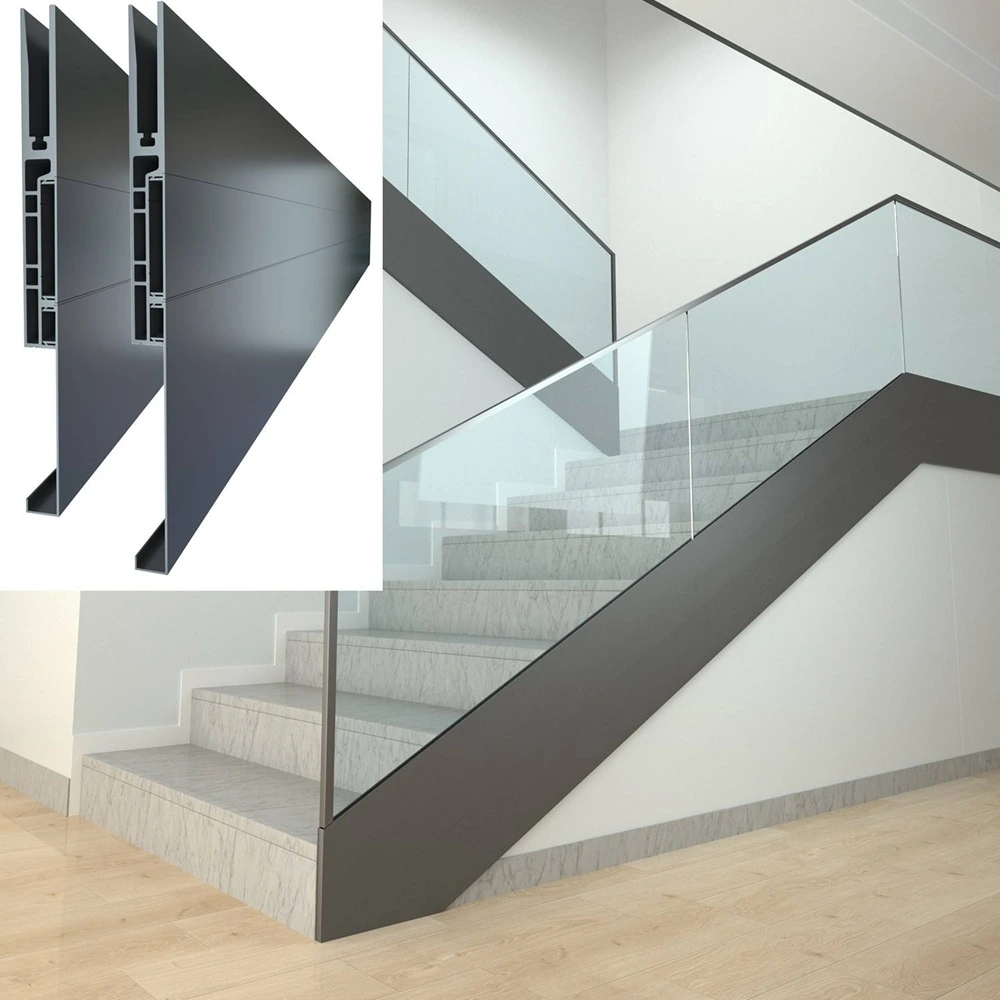
Acting as the foundational backbone, a glass profile channel—often constructed from high-grade aluminum or stainless steel—allows designers to ditch bulky frames without sacrificing security. Unlike traditional systems that use visible posts, frameless installations rely on the precise fitment of these channels or base shoes.
At URailing, we specialize in providing premium hardware, including these essential profile channels, to ensure your glass installations are as sturdy as they are beautiful.
What is a Glass Profile Channel?
Commonly referred to as a “U-channel” or “base shoe,” a glass profile channel is a metal extrusion designed to anchor the bottom edge of a glass panel. It is typically surface-mounted or recessed into the floor, balcony edge, or staircase to provide a clean, continuous support line.
Core Components of the System
- The Channel Body: Usually made of architectural-grade aluminum or stainless steel for maximum longevity.
- Rubber Gaskets & Isolators: These prevent the glass from touching the metal directly, absorbing vibrations and preventing fractures.
- Precision Locking Mechanism: Often utilizing specialized wedges or screws to lock the glass panel into a perfectly vertical position.
For those exploring different hardware styles, you can also view our Glass Standoff collection for alternative mounting methods.
Mechanics: How the Channel Holds the Glass
Securing a heavy glass panel into a slim metal channel involves more than just a tight fit; it requires a systematic approach:
- Preparation: The channel is anchored to the substrate (concrete, steel, or wood) using high-strength bolts.
- Lining: Protective rubber gaskets are inserted to cushion the glass.
- Positioning: The tempered glass panel—typically 10mm to 15mm thick—is lowered into the profile.
- Compression: Specialized hardware or “pressure plates” are tightened to ensure the glass stays immobile, even under heavy wind loads.
This streamlined process replaces the need for vertical posts, creating a “wall of glass” effect. To learn about finishing options for your hardware, check our guide on Glass Standoff Finishes.
Material Comparison: Aluminum vs. Stainless Steel
The environment of your project dictates the best material for your glass profile channel.
| Feature | Aluminum Channels | Stainless Steel Channels |
| Weight | Lightweight & easy to install | Heavy & extremely rigid |
| Corrosion Resistance | Naturally high (ideal for outdoors) | Superior (essential for marine use) |
| Customization | Easy to cut and powder coat | Harder to modify on-site |
| Trending Aesthetics | Popular in Matte Black Design | Classic polished or brushed look |
Key Benefits of Channel Systems
- Unmatched Elegance: Provides a continuous glass look that enhances property value.
- Enhanced Safety: Distributes the load evenly along the entire base of the glass rather than at specific points.
- Simplified Upkeep: With fewer vertical components, there is less metal to polish and fewer places for debris to collect.
- Structural Integrity: Engineered to meet strict building codes regarding wind pressure and impact resistance.
For further technical data, architects often consult global manufacturing standards on sites like Made-in-China or watch installation demonstrations on YouTube.
Important Installation Factors
To ensure a successful and safe installation, consider these variables:
- Water Management: For outdoor balconies, ensure the channel has drainage holes to prevent water from pooling inside the shoe.
- Glass Compatibility: Ensure your channel is rated for the specific thickness of your glass (e.g., 12mm tempered or laminated glass).
- Substrate Strength: The floor or deck must be structurally sound enough to handle the leverage exerted by the glass panels during a lean or wind gust.
Summary
The glass profile channel is the ultimate solution for those who refuse to choose between safety and style. By providing a rigid, secure base for frameless panels, it allows for the clean lines that define modern architecture.
If you have questions about which channel system is right for your project, please Contact URailing today for expert guidance.
FAQs
Q: Can I use profile channels for pool fencing? A: Yes! Aluminum channels are excellent for pool areas because they resist corrosion from splashed water and chemicals.
Q: Is it possible to get channels in specific colors? A: Absolutely. Powder-coating allows for various colors, with Matte Black being the most popular contemporary choice.
Q: Does the glass move inside the channel? A: No. When properly installed with gaskets and locking wedges, the glass is completely immobilized.