
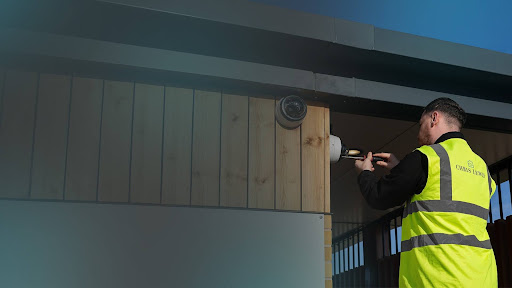
In an increasingly connected world, businesses face a growing number of security challenges. From physical break-ins and vandalism to cyber threats and unauthorized access, protecting your organization requires more than traditional locks and alarm systems. As technology evolves, so do the methods used by criminals, making it essential for businesses to adopt advanced security solutions that can adapt to changing risks.
Future-proofing your business means investing in security technology that not only addresses current threats but is also capable of evolving alongside your organization’s needs. Modern security systems combine intelligent monitoring, automation, cloud connectivity, and real-time analytics to create safer, more efficient business environments.
This guide explores how advanced security technology can help businesses reduce risks, improve operational efficiency, and prepare for future challenges.
Understand Modern Security Risks
Business security has become far more complex than it was just a decade ago. Today’s organizations must consider both physical and digital threats.
Common security risks include:
- Theft and burglary
- Unauthorized building access
- Workplace violence
- Vandalism
- Internal theft
- Cybersecurity breaches
- Data loss
- Equipment damage
Recognizing these risks is the first step toward developing a comprehensive security and business strategy.
Invest in Smart Surveillance Systems
Modern surveillance technology offers far more than simple video recording.
Today’s systems include features such as:
- High-definition cameras
- Remote viewing
- Artificial intelligence
- Motion detection
- Facial recognition (where legally permitted)
- License plate recognition
- Cloud-based storage
These capabilities allow businesses to detect suspicious activity more quickly and respond before incidents escalate.
Implement Advanced Access Control
Traditional keys can easily be lost, copied, or stolen. Advanced access control systems provide significantly greater security.
Popular options include:
- Key card access
- Mobile credentials
- Biometric authentication
- PIN-based systems
- Multi-factor authentication
These solutions help businesses manage employee access while maintaining detailed entry records for improved accountability.
Utilize Cloud-Based Security Management
Cloud technology has transformed business security by making systems more flexible and accessible.
Cloud-based platforms allow owners and managers to:
- Monitor multiple locations remotely
- Receive instant alerts
- Access recorded footage
- Manage user permissions
- Update security settings
Centralized management simplifies security operations while improving overall efficiency.
Integrate Multiple Security Systems
Future-ready businesses increasingly integrate various security technologies into one unified platform.
Integrated systems may combine:
- Surveillance cameras
- Access control
- Intrusion alarms
- Fire detection
- Visitor management
- Emergency notifications
Integration improves visibility and enables faster responses during security incidents.
Leverage Artificial Intelligence
Artificial intelligence has become one of the most valuable tools in modern security.
AI-powered systems can:
- Detect unusual behavior
- Identify unauthorized access
- Reduce false alarms
- Analyze movement patterns
- Automate monitoring
These intelligent features improve both accuracy and operational efficiency.
Conduct Regular Risk Assessments
Technology alone cannot eliminate security risks.
Businesses should routinely evaluate:
- Physical vulnerabilities
- Employee procedures
- Building access points
- Security equipment performance
- Cybersecurity practices
Regular assessments help identify new risks and ensure existing security measures remain effective.
Partner with Experienced Professionals
Choosing the right technology is only part of the process. Proper planning, installation, and ongoing support are equally important.
Many organizations work with experienced commercial security systems installers uk to design tailored security solutions that address their specific operational requirements. Professional installers can recommend scalable technologies, ensure systems are correctly configured, and provide maintenance that helps businesses remain protected as security needs evolve.
Working with qualified experts often results in stronger long-term performance and better return on investment.
Strengthen Cybersecurity Alongside Physical Security
Modern business security extends beyond buildings and equipment.
Organizations should implement cybersecurity measures such as:
- Strong password policies
- Multi-factor authentication
- Software updates
- Employee awareness training
- Secure data backups
- Network monitoring
Physical and digital security should work together as part of a unified protection strategy.
Improve Employee Awareness
Employees play an important role in maintaining workplace security.
Regular training should cover:
- Identifying suspicious behavior
- Reporting security concerns
- Protecting sensitive information
- Emergency procedures
- Safe use of access credentials
Well-trained employees become an additional layer of protection against security threats.
Monitor Systems Continuously
Installing advanced technology is only the beginning.
Continuous monitoring allows businesses to:
- Detect incidents immediately
- Verify alarms
- Reduce response times
- Prevent property damage
- Improve emergency coordination
Whether monitored internally or through professional services, ongoing oversight significantly enhances security effectiveness.
Use Data to Improve Decision-Making
Modern security platforms generate valuable operational data.
Businesses can analyze:
- Access trends
- Incident frequency
- High-risk locations
- Visitor activity
- Equipment performance
These insights support informed decision-making and continuous improvement.
Design for Scalability
Business growth often requires expanded security coverage.
Choose systems that allow you to:
- Add new cameras
- Expand access control
- Integrate additional locations
- Upgrade software
- Increase storage capacity
Scalable technology helps businesses avoid costly replacements as operations grow.
Enhance Business Continuity
Security technology supports more than crime prevention.
Advanced systems help organizations:
- Minimize downtime
- Protect critical assets
- Maintain customer trust
- Support disaster recovery
- Improve operational resilience
Strong security planning contributes directly to long-term business stability.
Stay Compliant with Industry Standards
Many industries require businesses to meet specific security and data protection regulations.
Advanced systems often simplify compliance by providing:
- Audit trails
- Secure record storage
- Access logs
- Automated reporting
- Controlled user permissions
Remaining compliant reduces legal risks and demonstrates professionalism.
Improve Customer and Employee Confidence
Visible security measures reassure both customers and employees.
A secure workplace encourages:
- Higher employee morale
- Increased customer trust
- Better workplace safety
- Stronger company reputation
People naturally feel more comfortable doing business with organizations that prioritize safety.
Review and Update Security Strategies Regularly
Security technology continues to evolve rapidly.
Businesses should periodically review:
- Existing equipment
- Software updates
- Emerging threats
- Employee training
- Security policies
Regular updates ensure protection remains effective as technology and risks change.
Conclusion
Future-proofing your business requires a proactive approach to security. Modern organizations face increasingly sophisticated threats that demand intelligent, scalable, and integrated security solutions. By investing in advanced surveillance, access control, cloud-based management, artificial intelligence, cybersecurity, and employee training, businesses can create a stronger foundation for long-term success.
Security should not be viewed as a one-time investment but as an ongoing strategy that evolves alongside your organization. Businesses that embrace advanced security technology today will be better prepared to protect their people, assets, operations, and reputation in the years ahead.