

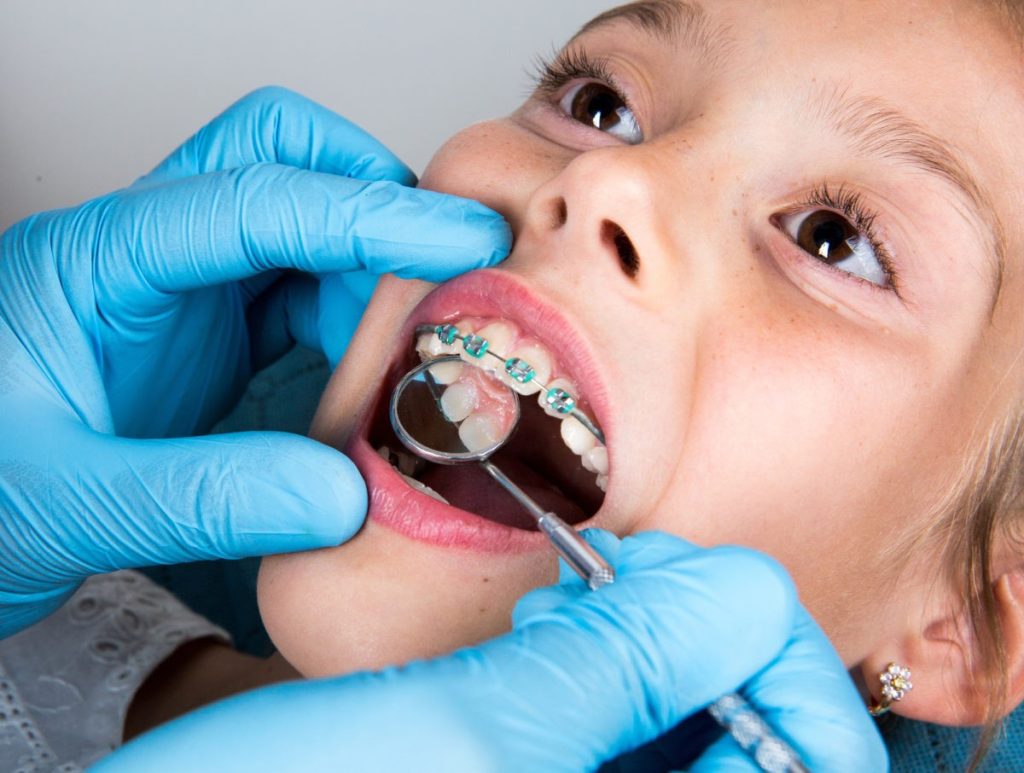
Orthodontic treatment is an important step toward achieving a healthier, straighter smile. Whether you have traditional metal braces, ceramic braces, or clear aligners, your daily eating habits play a major role in the success of your treatment. Certain foods can damage brackets, bend wires, stain aligners, or slow your overall progress. By knowing what to avoid, you can protect your orthodontic appliances, reduce emergency visits, and stay on track for a beautiful smile.
If you’re receiving care from A Top-Rated orthodontic office in Raleigh, your orthodontist will likely provide a list of foods to avoid along with recommendations for maintaining excellent oral hygiene throughout your treatment. Following these guidelines helps ensure that your orthodontic journey is as smooth and effective as possible.
Why Food Choices Matter During Orthodontic Treatment
Orthodontic appliances are designed to apply gentle, consistent pressure to move your teeth into their ideal positions. However, brackets, wires, and aligners are not indestructible. Eating the wrong foods can lead to broken brackets, loose bands, bent wires, or cracked aligners.
Damaged orthodontic appliances can:
- Delay treatment progress
- Cause discomfort or pain
- Increase the number of repair appointments
- Raise treatment costs in some cases
- Make cleaning your teeth more difficult
Making smart food choices protects both your investment and your oral health.
Hard Foods to Avoid
Hard foods are among the biggest causes of orthodontic emergencies. Biting down on something hard creates excessive pressure that can damage brackets and wires.
Nuts
Whole almonds, peanuts, walnuts, and other hard nuts require significant chewing force. Even though nuts are healthy, they should be avoided while wearing braces unless they are finely chopped or blended into spreads.
Hard Candy
Hard candies can crack brackets or loosen wires. Since they remain in your mouth for extended periods, they also increase the risk of tooth decay by exposing your teeth to sugar.
Ice Cubes
Many people chew ice without realizing the damage it can cause. Ice is extremely hard and can break brackets or even chip natural teeth.
Popcorn
Popcorn presents two problems. Unpopped kernels are extremely hard, while the hulls can become trapped between brackets and gums, causing irritation and increasing plaque buildup.
Sticky Foods That Can Damage Braces
Sticky foods cling to brackets and wires, making them difficult to clean. They may also pull brackets away from the teeth.
Caramel
Caramel sticks tightly to braces and requires forceful chewing that can loosen orthodontic appliances.
Chewing Gum
Most orthodontists recommend avoiding chewing gum because it wraps around wires and brackets, making cleaning difficult and increasing the risk of damage.
Taffy
Taffy stretches and sticks to every part of your braces. Removing it completely is often impossible without special cleaning.
Gummy Candy
Gummy bears, fruit chews, and similar candies place stress on brackets while leaving sugary residue behind.
Crunchy Foods That Require Caution
Crunchy foods are not always unhealthy, but they often need to be modified before eating.
Avoid biting directly into:
- Whole apples
- Raw carrots
- Corn on the cob
- Hard bread crusts
- Thick pretzels
- Large crackers
Instead, cut fruits and vegetables into small bite-sized pieces and chew carefully using your back teeth.
Foods That Can Stain Orthodontic Appliances
While staining may not damage your braces, it can affect their appearance, especially with ceramic brackets or clear aligners.
Foods and beverages that commonly cause staining include:
- Coffee
- Tea
- Red wine
- Curry
- Tomato-based sauces
- Soy sauce
- Dark-colored soft drinks
If you consume these items, rinse your mouth with water afterward and brush your teeth as soon as possible.
Sugary Foods and Drinks
Sugar is harmful during orthodontic treatment because food particles often become trapped around brackets and wires.
Limit:
- Soft drinks
- Energy drinks
- Sweetened coffee drinks
- Candy
- Cakes
- Cookies
- Ice cream with sticky toppings
Excess sugar encourages plaque buildup, which can lead to cavities, gum inflammation, and permanent white spots on your teeth after braces are removed.
Foods That Are Safe to Eat
Fortunately, there are plenty of delicious foods that are gentle on orthodontic appliances.
Some excellent choices include:
- Yogurt
- Mashed potatoes
- Oatmeal
- Rice
- Pasta
- Soft bread
- Scrambled eggs
- Fish
- Soft chicken
- Bananas
- Berries
- Avocados
- Smooth soups
- Cottage cheese
- Soft-cooked vegetables
These foods provide essential nutrients while minimizing the risk of damaging your braces.
Tips for Eating with Braces
Changing the way you eat can make orthodontic treatment much easier.
Cut Food into Smaller Pieces
Instead of biting directly into foods, slice them into manageable pieces before eating.
Chew Slowly
Taking smaller bites and chewing carefully reduces pressure on brackets and wires.
Use Your Back Teeth
Avoid biting with your front teeth whenever possible. Your molars are better suited for chewing during orthodontic treatment.
Drink Plenty of Water
Water helps wash away food particles and keeps your mouth hydrated, reducing plaque buildup.
Foods to Be Careful With if You Wear Clear Aligners
Clear aligners offer more flexibility than braces because they can be removed during meals. However, there are still important rules to follow.
Always remove aligners before eating or drinking anything except water.
Avoid:
- Hot beverages while wearing aligners
- Sugary drinks
- Colored beverages
- Sticky snacks without brushing afterward
Before placing aligners back in your mouth, brush and floss your teeth whenever possible. This helps prevent bacteria from becoming trapped between the aligners and your teeth.
What to Do If You Accidentally Eat the Wrong Food
Mistakes happen. If you accidentally bite into a hard or sticky food, inspect your braces or aligners immediately.
Look for:
- Loose brackets
- Bent wires
- Cracked aligners
- Pain while chewing
- Sharp wire ends
If you notice any damage, contact your orthodontist promptly. Avoid trying to repair braces yourself, as improper fixes can worsen the problem.
Maintaining Excellent Oral Hygiene
Food restrictions work best when combined with proper oral hygiene.
Brush your teeth after every meal using a soft-bristled toothbrush and fluoride toothpaste. Floss daily with orthodontic floss threaders or a water flosser to remove debris around brackets and wires. Regular dental cleanings and orthodontic appointments are also essential for keeping your teeth and gums healthy throughout treatment.
Patients who receive care from A Top-Rated orthodontic office in Raleigh are often encouraged to follow a personalized cleaning routine based on their specific orthodontic appliances and oral health needs.
Conclusion
Orthodontic treatment requires patience, commitment, and smart dietary choices. Avoiding hard, sticky, crunchy, and sugary foods helps protect your braces or aligners from damage while reducing the risk of cavities and gum disease. Choosing softer, nutrient-rich foods supports both your oral health and your overall well-being.
By following your orthodontist’s recommendations and practicing excellent oral hygiene every day, you can minimize treatment delays and achieve the healthy, confident smile you’ve been working toward. A few temporary changes to your diet today can make a lasting difference in the quality and success of your orthodontic treatment.