
If you’re a parent of a young athlete, chances are your child has expressed interest in playing football. But with all the talk about safety, concussions, and skill development, you might be wondering: Should my child play flag football or tackle football?
It’s a question more families are asking every season — and for good reason. The sport has evolved, youth training has become more advanced, and player safety is now front and center. Understanding the difference between flag football and tackle football for youth can help you choose the right starting point for your child’s development and enjoyment.
At Tackle Smart Sports, we’ve worked with thousands of young athletes across Texas and beyond, helping them learn the game the right way — with safe, effective, and science-backed coaching. Let’s dive into how these two versions of football differ, what each offers, and how to find quality football training near you that puts your child’s growth and safety first.
1. The Basics: Flag Football vs. Tackle Football
Before deciding which format is best for your child, it helps to understand what sets these two styles apart.
Flag Football
Flag football is a non-contact version of the game. Instead of tackling opponents to stop the play, defenders pull a flag attached to the ball carrier’s waist. It’s often recommended for younger athletes (ages 5–12) who are learning the fundamentals of football without the physical contact.
Key benefits:
- Lower risk of injury
- Great for teaching agility, positioning, and teamwork
- Builds confidence before transitioning to tackle
Tackle Football
Tackle football introduces full contact and is typically suited for older or more experienced players, usually starting around middle school. In tackle, players wear helmets and pads, and physical tackling is part of the game.
Key benefits:
- Develops physical resilience and advanced technique
- Builds full-game understanding (blocking, tackling, defensive reads)
- Prepares athletes for competitive high school or college play
Both forms of the game teach discipline, teamwork, and leadership — but the right choice depends on your child’s age, experience level, and comfort with contact.
2. Safety First: Why Proper Training Matters
The biggest factor separating flag and tackle football isn’t just contact — it’s technique. With proper coaching and conditioning, athletes can safely enjoy tackle football without unnecessary risk.
That’s where training programs and American football academies make a huge difference.
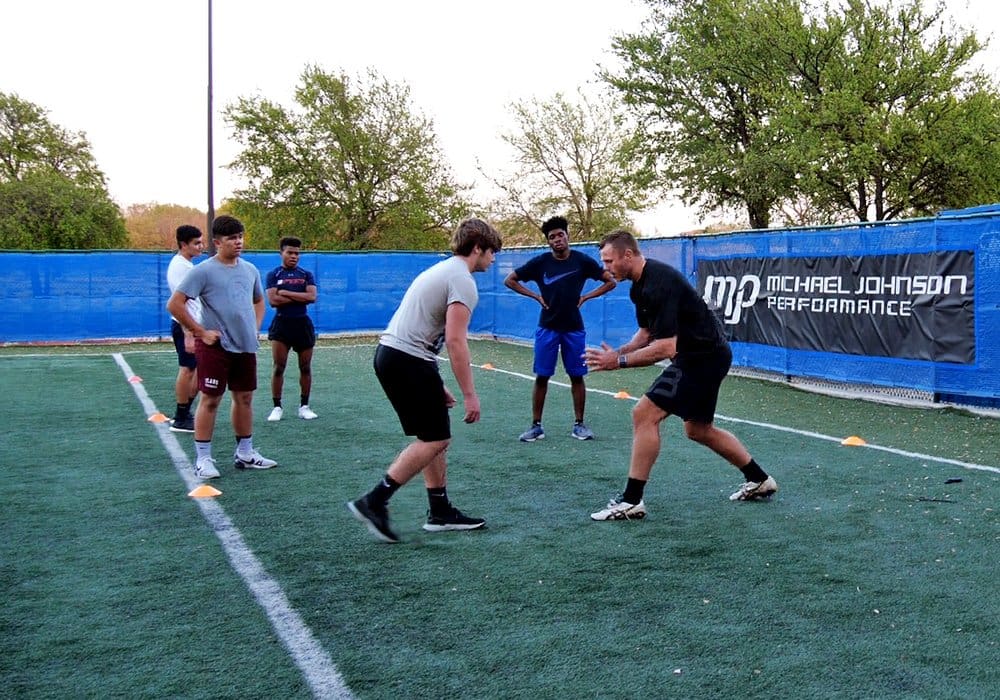
At Tackle Smart Sports, we use a science-based approach to teach safe tackling techniques for kids. Instead of leading with the head or neck, players learn body positioning, awareness, and balance — reducing the chance of head impacts while improving performance.
If you want to understand how safer tackling methods work, check out our detailed resource:
👉 Safe Effective Tackle Techniques for Kids
Proper training doesn’t just protect athletes — it builds confidence and skill that carry over into every level of the game.
3. The Role of Age and Readiness
Every child develops at their own pace. Some kids show physical coordination and confidence early; others benefit from starting with non-contact flag football before moving up to tackle.
Here’s a simple way to decide:
| Age Group | Recommended Option | Focus Area |
|---|---|---|
| 5–8 years old | Flag Football | Fundamentals, movement, teamwork |
| 9–11 years old | Flag or Intro to Tackle | Position skills, game understanding |
| 12–14 years old | Tackle Football | Contact technique, conditioning |
| 15+ years old | Tackle Football | Advanced skills, competition prep |
No matter what age your child starts, the foundation is always the same: proper form, body control, and awareness.
If you’re searching for a football academy near me or programs that emphasize safe, effective development, Tackle Smart Sports offers specialized youth sessions designed to match your child’s stage.
Learn more here:
👉 Youth Football Training Allen Texas
4. The Benefits of Flag Football for Young Athletes
Flag football has become one of the fastest-growing youth sports in America — and it’s easy to see why.
Lower Risk, Higher Skill
Because there’s no tackling, flag football allows players to focus on skill development rather than physicality. They can learn to throw, catch, and run routes in a controlled, safe environment.
Improved Agility and Field Awareness
Without the pads, players develop quickness, footwork, and vision, skills that directly translate to other sports like basketball or soccer.
Inclusive and Accessible
Flag football is open to both boys and girls and requires minimal equipment, making it more accessible for families and schools.
A Stepping Stone to Tackle
Many coaches view flag football as a gateway to tackle — a place where kids can learn game IQ before adding the physical elements later.
5. The Advantages of Tackle Football
While tackle football involves more risk, it also offers unique rewards when introduced safely and with proper training.
Physical Development
Tackle football helps build strength, endurance, and resilience. Learning proper tackling form and physical control teaches discipline and respect for the game.
Team Bonding and Mental Toughness
Because of the intensity, tackle football fosters team chemistry and mental toughness in ways few other sports can.
Pathway to Competitive Levels
For athletes looking to play in high school or beyond, tackle football is the essential next step. Many American football academies offer structured progression for players ready to advance from flag to full contact.
6. Finding the Right Football Academy Near You
When searching for a football academy near me or football training near me, it’s crucial to find a program that emphasizes both safety and development.
Here’s what to look for:
- Certified and experienced coaches
- Focus on technique over contact
- Structured skill progression
- Small group training for individualized feedback
- Positive, confidence-building environment
At Tackle Smart Sports, our training model combines professional coaching and sports science to help every athlete grow. Whether you’re in Dallas, Allen, or across Texas, our programs are designed to improve performance while teaching safe, effective techniques.
7. How Flag and Tackle Complement Each Other
It’s not always “flag versus tackle” — in fact, the two can complement each other beautifully.
Many top athletes start in flag football to develop agility and game sense, then move into tackle with stronger fundamentals and confidence. This progression mirrors how professional academies structure long-term player development.
Think of flag football as foundation training — the place to learn skills, positioning, and awareness — while tackle football adds the strength, contact, and competitiveness that elevate performance.
That’s why many youth programs, including Tackle Smart Sports, integrate both forms of the game into player development pathways.
8. The Growing Popularity of Youth Football in America
Football remains one of America’s most beloved sports, and youth participation continues to rise thanks to improved safety practices and training programs.
In areas like North Dallas, for instance, families are turning to specialized coaching academies that focus on smarter, safer training models. Learn more about the growing youth scene in your area:
👉 Youth Football North Dallas Guide
With advancements in equipment, education, and awareness, youth football today is safer than ever — especially when supported by qualified programs and informed parents.
9. Key Factors to Consider When Choosing Between Flag and Tackle
Here are a few things to think about before enrolling your child:
1. Age and Size
Younger or smaller athletes may benefit from flag football to build coordination first.
2. Interest Level
Ask your child how they feel about contact — comfort level matters.
3. Long-Term Goals
If they aim to play competitively, gradual exposure to tackle under safe conditions is beneficial.
4. Coaching and Supervision
The right football academy makes all the difference. Trained coaches teach kids how to tackle safely, maintain control, and respect opponents.
5. Time Commitment
Tackle seasons tend to be longer and more intensive, while flag football offers flexibility for beginners.
10. The Smart Way Forward: Safe Training for Every Athlete
No matter which version you choose, quality coaching and proper technique are non-negotiable.
That’s what sets programs like Tackle Smart Sports apart — our mission is to make football both safer and smarter for the next generation. We combine years of professional experience with modern training methods that prioritize safety, performance, and player confidence.
Conclusion
The decision between flag football and tackle football for youth isn’t about choosing one forever — it’s about finding the right starting point for your child’s age, interest, and ability.
Flag football builds coordination, teamwork, and game sense. Tackle football adds strength, strategy, and resilience. Together, they form a complete developmental path when supported by expert coaching and safe training practices.
As more families look for reliable football academies near them, one thing is clear — the future of youth football is bright when played the right way.