
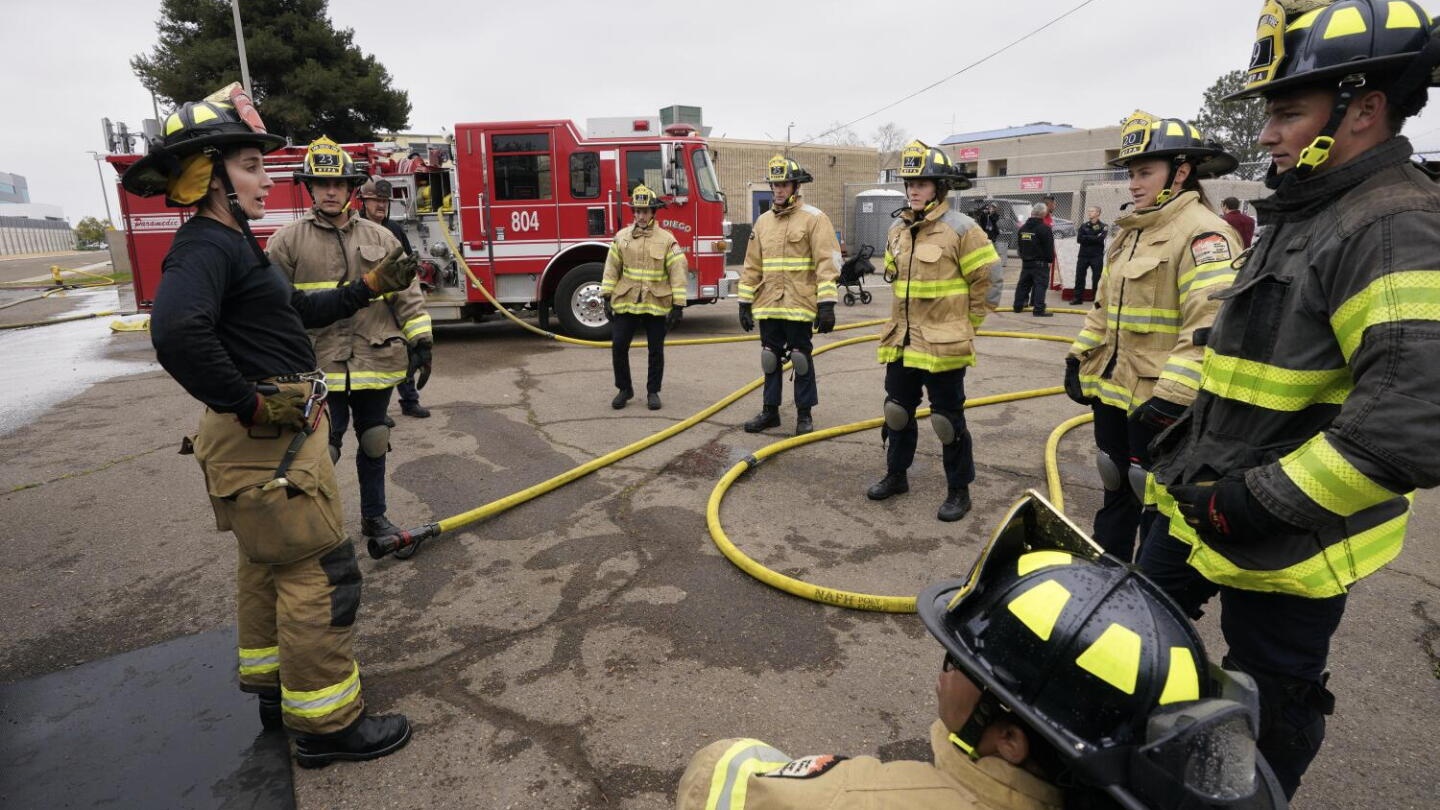
Advancing to a Fire Officer 2 position represents an important milestone in a firefighter’s career. This level of certification focuses on leadership, supervision, incident management, and administrative responsibilities within the fire service. A well-structured fire officer 2 study guide can help candidates understand key concepts, while reviewing Fire Officer 2 test questions can improve confidence and exam readiness.
Success on the certification exam requires a combination of practical experience, leadership knowledge, and dedicated preparation. Understanding the topics commonly covered in the assessment can make the study process more effective and manageable.
Understanding Fire Officer 2 Certification
Fire Officer 2 certification is designed for individuals who have already achieved an entry-level officer credential and are ready to take on greater leadership responsibilities. The program prepares officers to supervise personnel, manage emergency incidents, and support departmental operations.
The certification often follows professional qualification standards established by the National Fire Protection Association (NFPA). Candidates are expected to demonstrate both operational knowledge and administrative competence.
Many fire departments consider Fire Officer 2 certification an important requirement for promotional opportunities and leadership roles.
Why a Fire Officer 2 Study Guide Is Important
A comprehensive study guide helps candidates organize their preparation efforts and focus on the most relevant topics. The Fire Officer 2 exam covers a broad range of subjects, making structured study essential.
Study guides typically summarize key concepts, explain technical terminology, and provide review exercises. They can also help candidates identify areas where additional preparation may be needed.
Consistent study habits often lead to better retention of information and improved test performance.
Core Topics Covered in Fire Officer 2 Exams
Candidates preparing for certification should understand the major subject areas commonly included in Fire Officer 2 assessments.
Important topics often include:
- Leadership and supervision
- Human resource management
- Incident command principles
- Fireground operations
- Training program administration
- Community risk reduction
- Budget and resource management
- Fire prevention programs
- Communication and conflict resolution
- Departmental policies and procedures
A strong understanding of these areas can improve both exam results and job performance.
Leadership and Personnel Management
Leadership remains one of the most significant components of Fire Officer 2 training. Officers are responsible for guiding personnel, maintaining morale, and supporting organizational goals.
Study materials often focus on leadership styles, team development, performance evaluation, and disciplinary procedures. Candidates should understand how effective leadership contributes to operational success and firefighter safety.
Personnel management skills become increasingly important as officers assume greater responsibility within their departments.
Incident Command and Emergency Operations
Fire Officer 2 candidates must demonstrate a solid understanding of incident command systems and emergency management principles.
Study guides typically cover incident action planning, resource allocation, accountability systems, and operational coordination. Officers are expected to make informed decisions during emergency incidents while maintaining safety and efficiency.
Knowledge of command structures is critical for both written examinations and practical evaluations.
Reviewing Fire Officer 2 Test Questions
Practicing Fire Officer 2 test questions is one of the most effective ways to prepare for certification exams. Sample questions help candidates become familiar with exam formats and identify knowledge gaps.
Practice exams often include multiple-choice questions covering leadership, operations, fire prevention, and administration topics. Reviewing explanations for correct answers can deepen understanding of important concepts.
Repeated exposure to test-style questions can also reduce exam anxiety and improve confidence.
Effective Study Strategies for Exam Preparation
A successful study plan involves more than simply reading textbooks. Candidates often benefit from combining multiple learning methods.
Useful strategies include:
- Creating a study schedule
- Reviewing department policies
- Taking practice examinations
- Participating in study groups
- Using flashcards for key terms
- Revisiting classroom notes
- Applying concepts to real-world scenarios
Regular review sessions can help reinforce information and improve long-term retention.
Common Challenges During Preparation
Many candidates balance exam preparation with demanding work schedules and personal responsibilities. Time management becomes a critical factor in achieving success.
Some students struggle with administrative topics because they have more experience in operational roles. Others find leadership and human resource concepts challenging due to limited supervisory experience.
A structured study guide can help address these challenges by breaking complex subjects into manageable sections.
Career Benefits of Fire Officer 2 Certification
Achieving Fire Officer 2 certification can open doors to greater leadership opportunities within the fire service. Departments often use advanced certifications as part of promotional criteria.
Certified officers may qualify for positions such as Lieutenant, Captain, Training Officer, or Battalion Chief, depending on departmental structures. The credential demonstrates commitment to professional development and leadership excellence.
Many agencies value candidates who actively pursue advanced education and certification.
Building Confidence Before Exam Day
Preparation is one of the most effective ways to reduce test-day stress. Reviewing a Fire Officer 2 study guide and practicing fire officer 2 test questions can help candidates feel more confident and prepared.
Understanding the exam content, practicing critical thinking skills, and maintaining a consistent study routine can improve overall performance. Confidence often grows as candidates become more familiar with the material and testing process.
Strong preparation supports both certification success and future leadership effectiveness.
Frequently Asked Questions
What is a Fire Officer 2 study guide?
A Fire Officer 2 study guide is a resource designed to help candidates prepare for certification examinations. It typically covers leadership, incident management, personnel supervision, and administrative responsibilities.
Are Fire Officer 2 test questions similar to the actual exam?
Practice questions are designed to reflect the style and content areas commonly found on certification exams. They help candidates understand question formats and identify subjects that require additional study.
How long should I study for the Fire Officer 2 exam?
Study time varies depending on experience, knowledge level, and learning style. Many candidates prepare over several weeks or months to ensure they fully understand the material.
Why is Fire Officer 2 certification important?
The certification demonstrates advanced leadership and management capabilities within the fire service. It can support career advancement and prepare individuals for greater supervisory responsibilities.