

A single eye infection traced back to your salon can unravel years of hard-earned reputation overnight. For beauty salon owners offering lash extension services, eyelash hygiene isn’t just a best practice — it’s the foundation of every safe, successful appointment. Yet many salon owners find themselves caught between products that irritate sensitive clients and premium cleansers that quietly drain their profit margins.
Choosing the wrong lash cleanser creates a ripple effect: weakened adhesive bonds, client discomfort, premature lash shedding, and ultimately, fewer repeat bookings. On the other hand, investing in the right products without a clear strategy can make bulk purchasing feel overwhelming and expensive. This guide cuts through the confusion. Whether you’re building your lash care menu from scratch or refining an existing routine, you’ll find practical advice on selecting the right cleanser types, identifying quality products, managing costs through smart purchasing, and integrating these solutions into a service offering that keeps clients coming back. Consider this your complete roadmap to making eyelash cleanser a genuine business asset.
Why Eyelash Cleansers Are Essential for Beauty Salons
Lash extensions create a warm, moist environment where bacteria, dead skin cells, and makeup residue accumulate rapidly. Without regular, thorough cleansing, this buildup leads to blepharitis, folliculitis, and other eye infections that can sideline clients and expose your salon to serious liability. A dedicated eyelash cleanser removes these contaminants without compromising the adhesive bond holding extensions in place — something standard facial cleansers simply cannot do safely.
Beyond infection prevention, proper cleansing directly affects how long extensions last. Oils and debris weaken lash adhesive at the root, causing premature shedding and triggering costly fill appointments that frustrate clients. When salons provide or recommend the right cleanser, retention improves noticeably, and clients associate that longevity with your technicians’ skill rather than their own aftercare habits.
Industry standards from professional lash associations increasingly require documented hygiene protocols, and health inspectors in many regions now scrutinize eye service sanitation practices more closely than ever. Salons that integrate eyelash cleansers into every appointment — both as a pre-treatment step and as a retail aftercare recommendation — signal professionalism that competitors who skip this step simply cannot match. That credibility translates directly into stronger reviews, higher client retention, and a reputation that sustains long-term growth.
Exploring Different Types of Eyelash Cleansers
Lash Shampoo: Gentle Cleansing for Daily Maintenance
Lash shampoo is formulated with mild surfactants that lift debris and natural oils without stripping moisture or disturbing adhesive bonds. Its low-viscosity texture rinses cleanly, making it the most practical recommendation for clients to use at home between appointments. For salons, stocking a branded lash shampoo creates a natural retail opportunity — clients who purchase it are more likely to maintain their extensions properly, which means better retention and fewer complaints about premature shedding. Recommend it to every client as part of their aftercare kit, especially those who wear eye makeup regularly.
Foam Cleanser: Effective Deep Cleaning for Professional Services
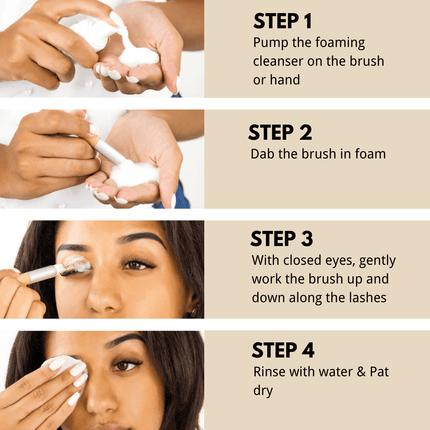
Foam cleansers generate a fine, airy lather that penetrates the lash line more thoroughly than liquid formulas, making them the preferred choice for in-salon pre-treatment steps. Before applying new extensions or performing a fill, technicians can use a foam cleanser to remove residual makeup, skin oils, and environmental pollutants that would otherwise compromise adhesive performance. The foaming action also reduces the amount of product needed per application, stretching your supply further. When selecting a foam cleanser for professional use, prioritize formulas that are preservative-minimal and ophthalmologist-tested to reduce the risk of client reactions.
Oil-Free Lash Care: Safeguarding Extensions and Sensitive Eyes
Oil is the primary enemy of lash adhesive — even trace amounts can dissolve the bond over days, leading to early extension loss. Oil-free cleansers eliminate this risk entirely while remaining gentle enough for clients with rosacea, contact lens use, or chronic dry eye. Brands like SenseLashes have built their professional lines around this oil-free standard, recognizing that salons serving a broad clientele benefit most from formulas that perform consistently across all skin types. When reviewing product labels, watch for hidden oil derivatives like isopropyl palmitate or certain silicones that manufacturers don’t always flag prominently. For salons serving a broad clientele, making oil-free formulas your default standard rather than a specialty option simplifies purchasing decisions and ensures consistent results across all skin types.
How to Identify High-Quality Eyelash Cleansers
Not every product labeled “lash-safe” actually deserves that designation. Evaluating cleansers before committing to salon use requires looking beyond marketing claims and examining what’s actually inside the bottle. Start with pH balance — a lash cleanser should fall between 6.5 and 7.5 to match the eye’s natural environment. Formulas outside this range can cause stinging, dryness, or adhesive degradation even if other ingredients appear harmless.
Ingredient safety is your next filter. Hypoallergenic formulas free from parabens, sulfates, and synthetic fragrances reduce the likelihood of client reactions significantly. Look for certifications from recognized bodies such as ophthalmologist testing, dermatologist approval, or ISO compliance — these aren’t just marketing badges; they indicate the manufacturer invested in third-party validation. Avoid products with vague ingredient listings or proprietary blends that obscure potentially irritating compounds.
Client-tested results matter more than polished packaging. Before introducing any new cleanser into your service menu, run a structured trial with a small group of clients representing different skin types, including sensitive and contact lens wearers. Track retention rates, comfort feedback, and any adverse reactions over four to six weeks. Supplement this internal testing by reading verified reviews from other salon professionals on industry platforms rather than relying solely on brand-provided testimonials, which naturally skew positive.
The Benefits of Using Premium Lash Cleansers in Your Salon
Upgrading to premium lash cleansers produces measurable improvements across every dimension of your salon business. The most immediate impact shows up in client satisfaction — when clients leave an appointment with clean, comfortable lashes that hold their shape for three to four weeks rather than two, they notice. That tangible improvement in retention becomes the story they share with friends, generating referrals that no advertising budget can replicate as effectively.
Premium formulas also reduce the incidence of adverse reactions, which carries significant financial weight. A single client who develops irritation or an infection can generate negative reviews, refund requests, and in serious cases, liability claims. Quality cleansers with verified ophthalmologist testing and clean ingredient profiles dramatically lower that risk, protecting both your clients and your business. Technicians also work more confidently when they trust the products in their hands, which translates into faster, more precise application and a calmer service environment overall.
From a revenue standpoint, premium cleansers open a profitable retail channel. When clients see the same professional-grade product used during their appointment available for purchase at the front desk, the conversion is natural. A client who buys their aftercare cleanser from you returns more frequently for fills, spends more per visit, and is far less likely to switch salons. Over a year, that compounding loyalty effect makes the per-unit cost of premium products a genuinely worthwhile investment rather than an overhead burden.
Smart Bulk Purchasing Strategies for Salon Owners
Buying eyelash cleansers in bulk is one of the most effective ways to protect your margins without compromising on quality, but it requires a disciplined approach to avoid overstocking products that expire before you can use them. Start by calculating your actual monthly consumption across all technicians and retail sales, then multiply by three to establish a comfortable bulk order quantity that balances savings against shelf life. Most professional lash cleansers carry a 12 to 24 month shelf life, so ordering a six-month supply typically hits the sweet spot between discount eligibility and product freshness.
When comparing suppliers, look beyond the unit price. Factor in shipping costs, minimum order thresholds, return policies for defective batches, and whether the supplier offers consistent stock rather than seasonal availability. Established wholesale distributors that specialize in professional beauty products — including dedicated lash extension suppliers like SenseLashes — generally offer more reliable quality control than general marketplaces, even when their listed prices appear slightly higher. Request samples before committing to large orders — reputable suppliers expect this and should accommodate it without hesitation.
Negotiating directly with manufacturers or authorized distributors can unlock tiered pricing that isn’t advertised publicly. Come prepared with your monthly usage figures and a willingness to commit to a recurring order schedule; many suppliers will offer 10 to 20 percent discounts in exchange for predictable volume. Joining a professional salon association or buying cooperative can also give smaller salons access to group purchasing agreements that individual businesses couldn’t negotiate alone, making premium products genuinely affordable at scale.
Step-by-Step Guide to Implementing Eyelash Cleanser Solutions
Translating product knowledge into actual salon practice requires a structured rollout rather than a sudden overhaul. Begin by auditing your current lash care routine honestly — identify whether technicians are cleansing lashes before every service, which products are currently in use, and whether any clients have reported irritation or poor retention linked to hygiene gaps. This baseline assessment reveals exactly where your process needs strengthening before you introduce new products.
Next, match your cleanser selection to your actual client demographics. A salon serving predominantly sensitive-skin clients should default to oil-free, fragrance-free formulas, while a high-volume studio with diverse clientele benefits from stocking both a daily lash shampoo for retail and a professional foam cleanser for in-chair use. Once products are selected, schedule a dedicated training session for all technicians covering correct dilution ratios, application tools, contact time, and rinsing technique — inconsistent application undermines even the best formula.
Integrate cleansers formally into your service packages by including a pre-treatment cleanse as a standard step rather than an optional add-on. Build the time and product cost into your pricing structure so it doesn’t feel like an afterthought. Finally, market this upgrade actively: update your booking descriptions, brief clients during consultations, and display retail cleansers prominently at checkout with a brief explanation of their role in extension longevity. Clients who understand the why behind your hygiene standards trust your expertise more deeply and return consistently.
Building a Safer, More Profitable Lash Service
Eyelash cleansers are far more than a supply line item — they’re a direct investment in your salon’s safety standards, client outcomes, and long-term profitability. Throughout this guide, we’ve covered why dedicated cleansers are non-negotiable for any salon offering lash extension services, how different formulas serve distinct purposes across professional and retail settings, and what separates genuinely high-quality products from those that merely look the part. We’ve also explored how premium cleansers strengthen client loyalty, reduce liability risk, and create a natural retail revenue stream that compounds over time.
The purchasing and implementation strategies outlined here are designed to make these benefits accessible regardless of your salon’s size or budget. Calculating consumption accurately, negotiating with suppliers, and rolling out a structured staff training program are all steps you can begin this week without a significant upfront commitment.
Now is the moment to take an honest look at your current lash care routine. Are your cleansers truly protecting your clients and your adhesive bonds? Is your team applying them consistently? Start by auditing one area, make one targeted upgrade, and build from there. Small, deliberate improvements to your hygiene protocol will compound into a reputation for excellence that sets your salon apart for years to come.
