

Introduction
Digital assets have reshaped how people think about value, ownership, and participation in modern markets. Among the many developments within this space, crypto futures have emerged as a structured way for individuals to engage with digital assets through regulated futures and commodities brokers without directly holding them. These instruments allow traders to plan, speculate, and manage exposure using agreements that reflect future prices rather than immediate ownership. As interest in digital finance continues to grow, futures contracts offered through regulated futures brokers have become an increasingly important tool for individuals seeking structured exposure to crypto markets.
The growing appeal of these contracts reflects a broader shift in how people interact with financial tools. Instead of relying solely on traditional investments, many individuals now explore flexible markets that operate around the clock and respond quickly to global events. Crypto futures provide access to this environment while encouraging a more thoughtful approach to timing, planning, and risk awareness.
This expanding interest also highlights a desire for greater control and transparency. Participants often appreciate being able to analyze market behavior, test strategies, and respond to changing conditions without committing to long term ownership. As digital assets mature, futures trading continues to evolve into a space that blends innovation with discipline. Understanding how this market functions sets the foundation for exploring its opportunities, challenges, and role within a balanced digital trading lifestyle for participants seeking both flexibility and structure in an increasingly interconnected financial landscape that values adaptability, informed decision making, and responsible engagement across evolving global markets and personal investment goals for long term confidence growth.
What Crypto Futures Are and How They Work
Crypto futures are financial agreements offered through regulated futures brokers that allow traders to speculate on the future price of a digital asset without owning it directly. These contracts establish a price and date at which the trade will be settled, offering a structured way to participate in market movements. Rather than purchasing the underlying asset, participants commit to a position that reflects their expectations about price direction.
This structure allows traders to take both upward and downward positions within a regulated futures trading environment. When expecting a decline, a short position becomes an option. This flexibility distinguishes futures from traditional spot trading, where profit opportunities depend mainly on price appreciation. By separating ownership from price exposure, futures introduce a more strategic dimension to trading decisions.
Another defining feature of crypto futures is the use of margin. Traders can control larger positions with a smaller amount of capital, which can amplify both gains and losses. This leverage requires careful management, as market movements can have a significant impact in a short period. For this reason, understanding margin requirements, liquidation thresholds, and contract specifications becomes essential.
Overall, crypto futures function as tools for planning, hedging, and speculation. They attract participants who prefer structured frameworks and defined parameters when navigating volatile markets. By learning how these contracts operate, traders gain insight into how digital asset markets function beyond simple buying and selling. This understanding supports more confident participation and informed decision making over time within evolving global trading environments today.
Differences Between Spot Trading and Futures Contracts
Spot trading and futures contracts represent two distinct approaches to participating in digital asset markets. Spot trading involves the immediate exchange of an asset at its current market price, with ownership transferred instantly. This method appeals to participants who prefer simplicity and direct exposure, as it reflects the real time value of the asset being purchased or sold.
In contrast, futures contracts focus on agreements tied to future prices rather than immediate ownership. When engaging with Crypto Futures, traders commit to buying or selling an asset at a predetermined price on a specific date. This structure allows participants to plan strategies based on expectations rather than present conditions. As a result, futures can be used to anticipate price movements, manage potential risk, or express broader market views.
Another key difference lies in capital efficiency. Spot trading typically requires full payment for the asset, while futures often involve margin, allowing traders to control larger positions with less upfront capital. This can increase flexibility but also introduces greater responsibility, as losses may exceed initial commitments if positions move unfavorably.
Liquidity and trading behavior also vary between the two approaches. Spot markets tend to reflect immediate supply and demand, while futures markets often incorporate expectations, sentiment, and long term outlooks. Understanding these distinctions helps traders choose the approach that aligns best with their experience level, financial goals, and tolerance for risk. Such clarity supports more confident participation across diverse trading environments and evolving personal strategies over time and varying market conditions for traders.
Volatility and Opportunity in Crypto Markets
Volatility is one of the defining characteristics of digital asset markets, shaping both the risks and rewards associated with crypto futures trading. Price movements in cryptocurrencies can occur rapidly, influenced by global news, technological developments, market sentiment, and shifting regulations. For traders, this constant motion creates frequent opportunities to respond to short term trends while also requiring thoughtful planning and emotional control.
Unlike traditional markets that often move gradually, crypto markets can experience significant price changes within minutes. This environment attracts individuals who are comfortable navigating uncertainty and making timely decisions. Volatility allows traders to seek opportunities on both rising and falling price movements, offering flexibility that appeals to a wide range of strategies. However, it also demands strong awareness and preparation to avoid reactive decision making.
Understanding volatility involves more than watching price charts. It requires awareness of broader influences such as market sentiment, liquidity levels, and external economic signals. Experienced participants often view volatility as a natural feature rather than a risk to avoid entirely. When approached with structure and discipline, fluctuating conditions can become an essential part of an informed trading approach.
As a futures and commodities broker, https://www.zytrade.com/ supports this process by providing access to real-time data, professional trading tools, and regulated market infrastructure. With reliable information and thoughtful planning, traders can better navigate volatile conditions while maintaining focus on long term goals. Recognizing volatility as both a challenge and an opportunity encourages balanced decision making in dynamic digital markets.
Risk Control Methods for Crypto Futures Traders
Managing risk is a central component of successful participation in crypto futures markets. Because price movements can be swift and unpredictable, traders must adopt structured methods to protect their capital and maintain consistency. Risk control begins with understanding position size and ensuring that no single trade has the potential to cause significant financial strain.
One widely used approach is setting predefined limits on potential losses. These boundaries help traders exit positions before unfavorable movements escalate. By planning exit points in advance, individuals can remove emotional reactions from decision making and maintain discipline during periods of volatility. This structured approach supports long term sustainability rather than short term speculation.
Diversification also plays a role in risk management. Spreading exposure across different assets or strategies can reduce the impact of sudden market shifts. While diversification does not eliminate risk, it helps balance overall exposure and smooth performance over time. In addition, maintaining awareness of market conditions and adjusting positions accordingly allows traders to remain flexible.
Equally important is understanding personal tolerance for risk. Each trader has unique financial goals, time horizons, and comfort levels. Aligning trading strategies with these factors supports consistency and confidence. By prioritizing risk control, participants create a framework that encourages responsible engagement and supports steady progress within the evolving digital trading landscape.
Liquidity and Market Accessibility Factors
Liquidity plays a critical role in the effectiveness of crypto futures trading. It refers to how easily assets can be bought or sold without causing significant price changes. High liquidity generally results in smoother transactions, tighter pricing, and greater confidence when entering or exiting positions. For traders, this translates into improved efficiency and reduced friction during active market conditions.
Accessible markets are also defined by their availability to participants across different regions and experience levels. Digital trading platforms operate continuously, allowing individuals to engage at times that suit their schedules. This constant access supports a more inclusive environment where traders can respond to global developments as they occur rather than being limited by traditional market hours.
Another important aspect of accessibility is the availability of tools that support informed decision making. Clear pricing data, intuitive interfaces, and responsive systems contribute to a smoother experience. When traders can easily analyze information and execute strategies, they are better equipped to navigate changing conditions.
Liquidity and accessibility together influence confidence. When markets function smoothly and information flows freely, participants are more likely to engage thoughtfully rather than react impulsively. This balance supports sustainable participation and encourages a long term perspective. By understanding how liquidity and access shape the trading experience, individuals can make more informed choices and align their strategies with realistic expectations in evolving digital markets.
Using Technical Tools for Informed Decisions
Technical tools play an essential role in helping traders interpret market behavior and identify potential opportunities. These tools transform raw price data into visual insights that support clearer decision making. Charts, indicators, and trend analysis provide structure to what might otherwise feel like unpredictable movement.
Many traders rely on patterns and historical data to identify possible entry and exit points. Indicators such as moving averages, volume trends, and momentum measures help reveal underlying market direction. While no tool can predict outcomes with certainty, combining multiple indicators can offer a more balanced perspective and reduce reliance on guesswork.
Effective use of technical tools also involves understanding their limitations. Indicators reflect past behavior and should be viewed as guides rather than guarantees. Successful traders often pair technical analysis with broader market awareness, including news events and overall sentiment. This blended approach allows for more thoughtful responses to changing conditions.
Consistency in analysis is another key benefit of using technical tools. By applying the same methods over time, traders can evaluate performance objectively and refine their strategies. This structured approach encourages discipline and reduces emotional reactions. Ultimately, technical tools serve as valuable resources that support informed participation and long term growth within the dynamic environment of crypto futures trading.
Psychology and Discipline in Crypto Trading
Success in crypto futures trading extends beyond technical knowledge and tools; it is also deeply influenced by psychology and discipline. The volatile nature of digital asset markets can provoke strong emotional reactions, including fear and excitement, which may lead to impulsive decisions if not managed carefully. Recognizing these tendencies is a first step toward developing a balanced approach that supports long term consistency and confidence.
Discipline begins with planning and adhering to predefined strategies. Traders who define entry and exit points, position sizes, and risk limits in advance reduce the impact of momentary impulses. This approach fosters a sense of control and minimizes the likelihood of decisions driven by panic or overconfidence. Regularly reviewing outcomes helps refine strategies and strengthens the ability to respond thoughtfully under pressure.
Emotional resilience is equally important. Accepting that losses are a natural part of trading allows individuals to learn from mistakes rather than reacting negatively. Maintaining perspective and focusing on long term goals prevents short term volatility from disrupting overall progress. Mindfulness and self reflection can help traders maintain a level headed approach in challenging market conditions.
Peer support and educational resources also contribute to psychological stability. Engaging with communities or mentors offers insights, encouragement, and shared experiences that reduce feelings of isolation. Combined with disciplined practices, this support network reinforces consistency and growth. By prioritizing psychology and discipline, traders can navigate the dynamic world of crypto futures with greater confidence, clarity, and sustainable results over time.
Regulatory Considerations in Digital Derivatives
Regulatory frameworks for crypto futures are evolving rapidly across different jurisdictions. Understanding these rules is essential for participants who seek to operate responsibly and safeguard their investments. Regulatory considerations influence factors such as trading platforms, product availability, taxation, and reporting requirements, shaping the way individuals interact with digital derivatives.Working with a regulated futures broker helps ensure these regulatory standards are applied consistently across trading activities.
Many regulators aim to protect participants by establishing clear guidelines around leverage, margin, and disclosure. These measures can prevent excessive risk exposure and encourage transparency. Traders benefit from knowing that platforms adhere to established standards, which reduces potential surprises and supports informed decision making.
Compliance also involves being aware of regional variations. What is permissible in one country may differ significantly in another, affecting access to certain contracts or tools. Staying informed about applicable laws ensures that participants engage legally and ethically, protecting both capital and reputation.
Educational resources play a vital role in navigating regulatory environments. By understanding rules, documentation, and reporting expectations, traders can align their strategies with compliance requirements. Knowledge of these frameworks fosters confidence, allowing individuals to focus on thoughtful planning and disciplined execution within digital markets. Responsible engagement with regulations ultimately enhances safety, sustainability, and professional growth in crypto futures trading.
How Platforms Support Crypto Futures Execution
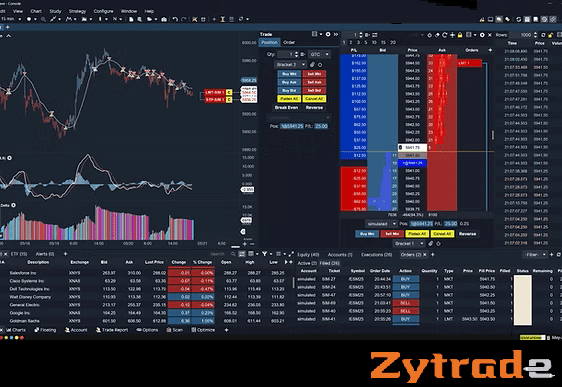
Trading platforms are integral to executing crypto futures efficiently and effectively. A well designed platform provides real time market data, responsive tools, and a structured environment that allows participants to act decisively. These systems transform complex information into accessible formats, helping traders understand trends, track positions, and implement strategies.
For example, As a futures and commodities broker, https://www.zytrade.com/ supports this process by providing access to real-time data, professional trading tools, and regulated market infrastructure.With features such as live pricing, charting capabilities, and mobile accessibility, users can monitor the market from virtually anywhere. Transparent pricing and advanced technology reduce friction and enhance confidence, allowing traders to focus on strategy rather than technical limitations.
Platforms also support risk management through customizable alerts, stop orders, and position monitoring. These features allow users to define limits, track exposure, and respond quickly to market developments. Access to educational resources and analytical tools further empowers participants to make informed decisions.
Beyond technical functionality, platforms foster a professional and supportive trading environment. Clear interfaces, reliable execution, and responsive support contribute to a positive experience. By leveraging these capabilities, traders can navigate volatile markets with confidence, efficiency, and a disciplined approach, enhancing both performance and overall engagement in crypto futures.
Evaluating Suitability for Different Trader Profiles
Crypto futures are not a one size fits all solution. Different participants may approach these instruments with varying objectives, experience levels, and risk tolerances. Evaluating suitability begins with assessing individual goals. Some traders seek short term gains through active speculation, while others use futures to hedge exposure or diversify portfolios.
Experience and knowledge also shape suitability. Beginners may benefit from smaller positions, conservative strategies, and guided tools, while experienced participants can explore more complex approaches. Understanding margin, leverage, and contract specifications ensures alignment between personal capabilities and trading requirements.
Risk tolerance is another critical factor. Volatile markets can present both opportunity and challenge, and comfort with potential losses influences participation decisions. Combining self awareness with structured risk management supports sustainable engagement and reduces the likelihood of reactive or emotional trading.
Lifestyle considerations matter as well. Crypto futures operate continuously, allowing for flexible participation, but active monitoring may require significant time and attention. Individuals who can dedicate focus and energy are better positioned to respond effectively. By carefully evaluating these elements, traders can select approaches that align with personal goals, preferences, and capacity, creating a balanced, informed, and sustainable path within the evolving world of digital asset markets.
Final Thoughts
Crypto futures provide a structured avenue for engaging with the dynamic world of digital assets. When approached thoughtfully, they offer opportunities to plan, speculate, and manage risk without direct ownership of cryptocurrencies. Platforms like https://www.zytrade.com/ enhance this experience by offering transparent pricing, real time data, advanced charting tools, and reliable mobile access, empowering self directed traders to participate efficiently and confidently.
Success in crypto futures relies on a blend of technical understanding, disciplined strategy, emotional awareness, and regulatory compliance. Traders who balance these factors can navigate volatility while maintaining long term focus. Careful consideration of personal goals, risk tolerance, and lifestyle ensures that participation aligns with broader financial strategies and personal development priorities.
As digital markets continue to evolve, the appeal of crypto futures lies in their ability to combine flexibility with structure. By integrating informed decision making, thoughtful planning, and supportive tools, traders can approach these instruments as part of a holistic strategy rather than a short term pursuit. Responsible engagement, continuous learning, and self awareness foster not only financial growth but also a sense of confidence and balance.
Ultimately, crypto futures represent more than a financial instrument. They are a framework for disciplined exploration of evolving markets. With the right mindset, tools, and approach, participants can incorporate these opportunities into a broader lifestyle that values informed choices, strategic planning, and measured participation, creating a foundation for sustainable success and personal growth in digital trading environments.
Understanding Risks
Trading futures, options on futures, and forex involves substantial risk of loss and is not suitable for all investors. The use of leverage is not suitable for all investors and losses exceeding your initial deposit is possible. Carefully consider whether trading is suitable for you in light of your circumstances, knowledge, and financial resources and only risk capital should be used. Opinions, market data, and recommendations are subject to change at any time. The lower the margin used the higher the leverage and therefore increases your risk. Past performance is not necessarily indicative of future results.
Virtual Currency Disclaimer – Zytrade is a member of NFA and is subject to NFA’s regulatory oversight and examinations. However, you should be aware that NFA does not have regulatory oversight authority over underlying or spot virtual currency products or transactions or virtual currency exchanges, custodians, or markets.
