
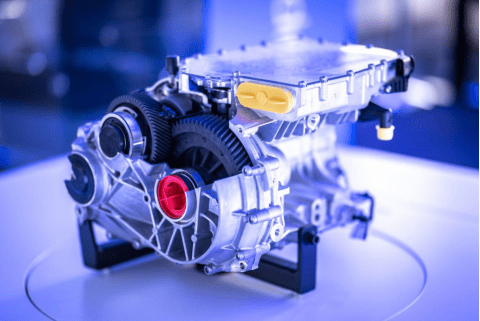
Electric drives are rapidly reshaping both manufacturing systems and electric vehicles. From advanced injection molding machines to high-efficiency EV powertrains, this technology enables higher efficiency, improved productivity, and reduced environmental impact.
Recent developments illustrate how electric drives are expanding across industries. The launch of a large electric-drive injection molding machine by The Japan Steel Works and the production milestone achieved by Volkswagen Group demonstrate how electric drive systems are becoming central to modern industrial and automotive innovation.
Electric drive technology is no longer limited to a single industry. Its growing presence across manufacturing equipment and electric vehicles indicates a broader technological shift toward precision control, energy efficiency, and scalable electrification in global industrial systems.
Electric Drives in Advanced Manufacturing
Electric drives are transforming industrial equipment by replacing conventional hydraulic systems with electrically controlled motion systems. This shift enables greater precision, energy efficiency, and lower operational costs.
In 2025, The Japan Steel Works introduced an ultra-large electric injection molding machine with a clamping force of 4,000 metric tons (4,400 US tons) designed for manufacturing large plastic components.
Key Performance Highlights
| Feature | Performance Impact |
| Productivity | Dry cycle improves productivity by about 10% compared with hydraulic systems |
| Energy Efficiency | Power consumption reduced by 15–20% |
| Cooling Water Use | Reduced by 50% |
| Hydraulic Oil Use | Reduced by 70% |
| Operating Costs | Running costs reduced by more than 20% |
Electric servo motor drives enable faster machine response and improved operational stability. Compared with traditional hydraulic equipment, electric drive systems offer reduced energy consumption and more consistent product quality due to precise control of motion and pressure.
We observe at Next Move Strategy Consulting that the integration of electric drives in large-scale industrial machinery highlights a shift toward sustainable manufacturing infrastructure. Manufacturers increasingly prioritize energy efficiency and precision, which electric drive systems can deliver more effectively than hydraulic alternatives.
Electric Drives Accelerating Electric Vehicle Innovation
Electric drives are also at the heart of electric vehicle technology. They convert electrical energy from batteries into mechanical motion, enabling propulsion without internal combustion.
In 2026, Volkswagen Group reached a major milestone by producing five million electric drive units for its fully electric vehicles across its global manufacturing network.
These electric drive units are produced in facilities located in:
- Győr, Hungary
- Kassel, Germany
- Tianjin, China
- Zuffenhausen, Germany
One of the group’s latest drive systems, the APP550 electric drive, demonstrates significant efficiency improvements.
APP550 Electric Drive Performance
| Parameter | Improvement |
| Energy Consumption | Around 20% lower than predecessor |
| Torque Increase | Approximately 75% higher |
| Power Increase | Around 40% higher |
| Maximum Output | Up to 240 kW |
| Maximum Torque | Up to 560 Nm |
The electric drive also uses a combined oil and water cooling system to regulate temperature efficiently while maintaining compact dimensions.
Our observations at Next Move Strategy Consulting indicates that Electric drive innovations in the automotive sector are focused on improving efficiency without increasing system size. This approach enables manufacturers to deliver higher performance while maintaining compatibility with existing vehicle architectures.
Electric Drives vs Hydraulic Systems: Why the Shift Matters
Electric drive systems offer several advantages compared with traditional hydraulic systems used in both manufacturing equipment and industrial machinery.
| Aspect | Electric Drive | Hydraulic System |
| Energy Efficiency | High | Lower |
| Precision Control | Excellent | Moderate |
| Maintenance Needs | Lower | Higher |
| Environmental Impact | Reduced emissions and fluid usage | Requires hydraulic oil |
| Operational Stability | Consistent | Potential variability |
For example, electric injection molding machines reduce power consumption by 15–20% and significantly lower cooling water and hydraulic oil requirements compared with hydraulic systems.
These benefits support broader sustainability goals and reduce operational expenses for manufacturers.
Insights from Next Move Strategy Consulting:
Electric drives provide both environmental and economic benefits. Their ability to reduce energy consumption and maintenance requirements makes them a strategic investment for industries seeking long-term operational efficiency.
According to Next Move Strategy Consulting: Industry Impact
The developments involving electric drives in manufacturing equipment and electric vehicles signal several important industry shifts:
- Electrification of industrial machinery
Large-scale manufacturing equipment is increasingly transitioning from hydraulic systems to electric drive systems. - Scaling of EV powertrain technology
The production of millions of electric drive units demonstrates that EV technology has reached industrial-scale manufacturing. - Efficiency-focused innovation
Improvements in power output, energy consumption, and system control are driving next-generation electric drive development. - Integration across industries
Electric drive technology is becoming a common platform across sectors including automotive, plastics manufacturing, and heavy industrial equipment.
Overall, electric drives are becoming a foundational technology supporting the global transition toward electrification and sustainable production systems.
Next Steps for Industry Stakeholders
Organizations exploring electric drive adoption can consider the following strategic actions:
- Evaluate energy savings potential
Assess how electric drive systems can reduce power consumption and operational costs. - Upgrade legacy equipment
Replace hydraulic systems with electric drive alternatives in manufacturing environments where precision and efficiency are critical. - Invest in powertrain innovation
Automotive companies should continue improving electric drive efficiency to enhance vehicle range and performance. - Strengthen supply chain capabilities
As demand for electric drives increases, suppliers and manufacturers must scale production capacity. - Adopt integrated electrification strategies
Companies across sectors should align electrification efforts across equipment, vehicles, and infrastructure.

Joydeep Dey is a seasoned SEO Executive, Content Writer, and AI expert with over 2½ years of experience in digital marketing and artificial intelligence. He specializes in SEO strategy, impactful content creation, and developing data-driven, AI-powered solutions that enhance online visibility and engagement. With a strong foundation in natural language processing and emerging AI technologies, Joydeep is known for simplifying complex concepts into clear, actionable insights. He can be reached at info@nextmsc.com.