
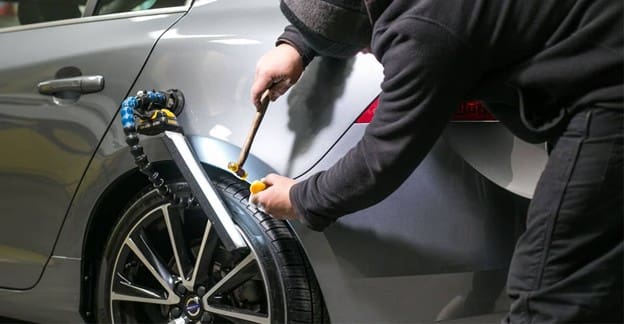
No matter how careful you are with your vehicle, dents and dings are sometimes unavoidable. Whether it’s a minor parking lot mishap, hailstorm damage, or a stray shopping cart, these imperfections can significantly impact your car’s appearance and resale value. Fortunately, Paintless Dent Repair (PDR) and modern dent pulling methods offer efficient, cost-effective solutions for achieving flawless results without the need for costly paint jobs or body replacements. For those in Cheyenne, finding a reliable Auto Repair Shop Cheyenne, WY can make all the difference when restoring your vehicle.
In this guide, we’ll explore the benefits of PDR, how it works, and the most effective dent pulling methods that help restore your car to its original condition.
What is Paintless Dent Repair (PDR)?
Paintless Dent Repair (PDR) is a non-invasive technique designed to remove minor dents, dings, and creases from vehicle panels without the need for sanding, filling, or repainting. PDR works by carefully massaging the metal back into its original shape, preserving the factory finish and saving time and money.
Originally used by professional auto body technicians, advancements in tools and technology have made PDR accessible to DIY enthusiasts as well. Today, it’s considered one of the most efficient and eco-friendly dent repair options available.
Benefits of Paintless Dent Repair
Choosing PDR offers several advantages compared to traditional bodywork methods:
Preserves Original Paint: PDR doesn’t require repainting, maintaining the vehicle’s factory finish.
Cost-Effective: Eliminates the need for expensive materials like paint or fillers.
Time-Saving: Many minor dents can be repaired within hours, avoiding long repair shop wait times.
Eco-Friendly: No chemicals, paints, or harmful materials are used, reducing environmental impact.
Increases Resale Value: A flawless, dent-free car maintains its market value.
Types of Dents Suitable for PDR
While PDR is highly effective, it’s best suited for specific types of dents:
Small to medium-sized dents
Dings from hail damage
Door panel dents
Minor body creases
Dents without paint damage
If the dent is too deep, sharp, or involves cracked paint, traditional repair methods might be necessary.
Top Dent Pulling Methods for Flawless Repairs
PDR often involves a variety of specialized tools and techniques to ensure seamless results. Here are some of the most popular and effective dent pulling methods used by professionals and DIY enthusiasts alike:
1. Glue Pulling Method
The glue pulling technique is a favorite for dents located in hard-to-reach areas where traditional tools can’t access the backside of the panel. Hot glue is applied to specially designed tabs, which are attached to the dented surface. Once the glue cools and hardens, the tab is pulled using a dent puller, gradually popping the dent back into place.
Advantages:
Ideal for inaccessible areas
Safe for paintwork
Great for shallow to moderate dents
2. Suction Cup Dent Pullers
Suction dent pullers use vacuum pressure to grip the dented area and pull it outward. These tools are simple to use and are often the go-to option for minor dents on flat surfaces.
Advantages:
Easy for beginners
Inexpensive
No adhesives or heat required
Limitations:
Works best on shallow dents and flat surfaces; not suitable for sharp or deep dents.
3. Slide Hammer Dent Pullers
Slide hammers provide extra pulling force, making them effective for larger or stubborn dents. They attach to the dented area using glue tabs or screws, and the sliding weight delivers controlled force to pull the dent outward.
Advantages:
Ideal for larger dents
Professional-grade results
Works on thicker panels
Note: Slide hammers require more experience to avoid damaging the panel further.
4. Push-from-Behind Technique
This method is a core part of PDR and involves using metal rods and tools to gently push the dent out from the backside of the panel. Skilled technicians carefully massage the metal back to its original position, ensuring a flawless finish.
Advantages:
Maintains factory paint
Excellent for precision work
Ideal for accessible dents like on doors or fenders
Requires:
Access to the backside of the dented area and specialized tools.
Choosing the Right Dent Pulling Method
The ideal dent removal technique depends on factors such as dent size, location, severity, and access to the backside of the panel. For beginners, suction cups and glue pullers are great starting points. For more complex repairs, professional tools like slide hammers and push-from-behind techniques are recommended.
In some cases, combining multiple methods yields the best results, especially for dents with irregular shapes or deeper creases.
DIY vs. Professional Dent Repair
While many dent pulling kits are designed for home use, not all dents are DIY-friendly. Here’s when to attempt it yourself and when to consult a professional:
DIY Repair:
Small, shallow dents
No cracked paint
You have basic tools and patience
Professional Repair:
Large or sharp dents
Damaged or cracked paint
Dents on complex body curves
You want flawless, high-end results
Professional technicians have years of experience and access to advanced tools, ensuring your vehicle looks as good as new.
Conclusion
Dents may be unavoidable, but they don’t have to be permanent. Paintless Dent Repair (PDR) and modern dent pulling methods offer convenient, affordable, and paint-friendly solutions for restoring your vehicle’s appearance. Whether you choose a suction puller, glue pulling kit, slide hammer, or rely on professional expertise, these techniques can help you achieve flawless results and maintain your car’s value.
If you’re looking for quick fixes for minor dents or seeking professional-grade restoration, understanding the right tools and methods is the key to mastering dent repair.